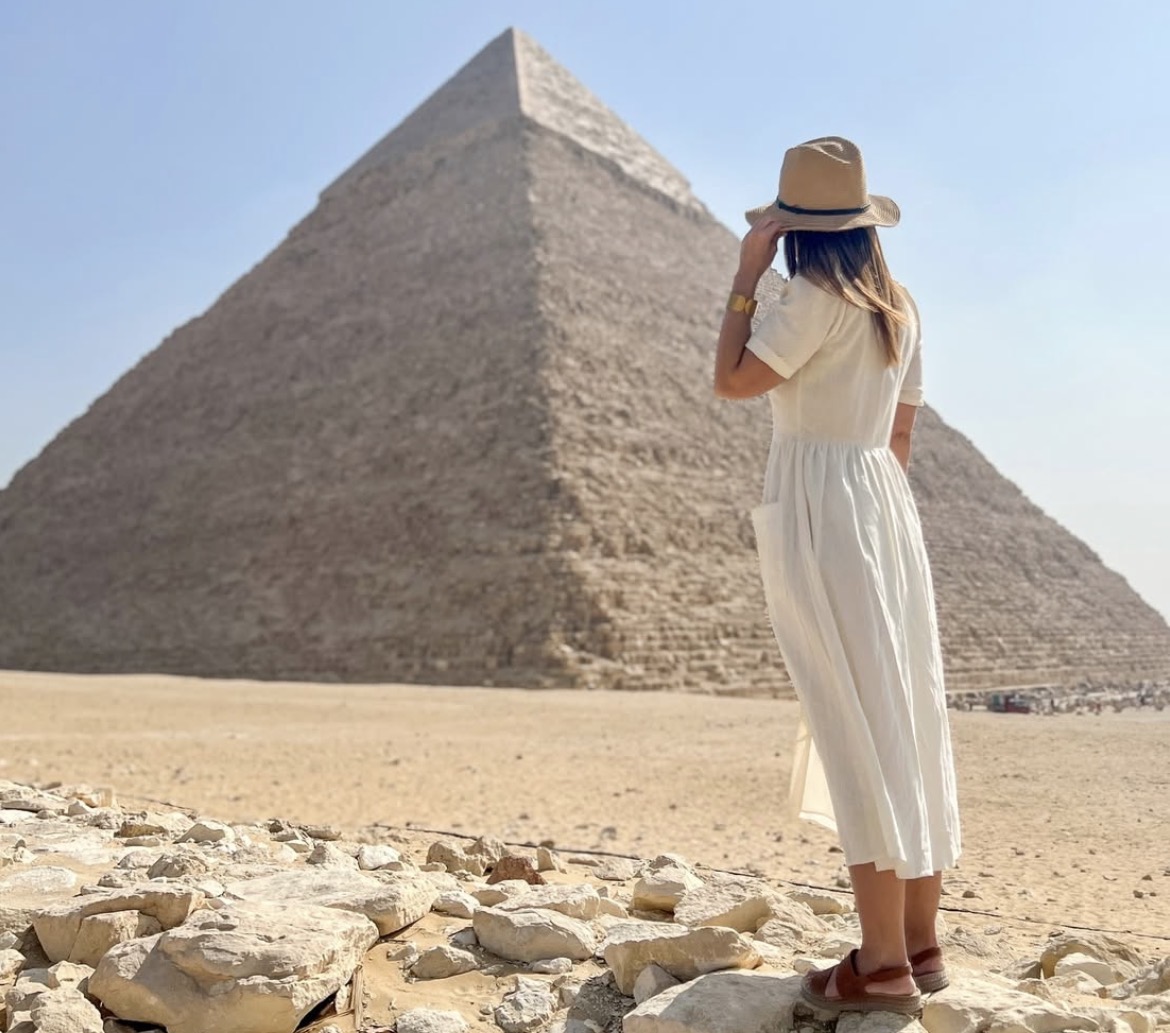
Existen mil listas extraoficiales del TOP 5 de destinos indispensables para el verdadero viajero. Éstos varían mucho según la fuente, el año e incluso la moda… pero siempre hay uno que siempre se mantiene en los rankings: Egipto. Las Pirámides de Giza representan un hito para el viajero: no solo son la última de las Siete Maravillas del Mundo Antiguo que se conserva, sino que con sus más de 4.500 años hacen experimentar la sensación de viajar en el tiempo hasta la era de los faraones y conservan un vínculo directo con su historia y espiritualidad.
Pero, tras este romanticismo místico, nos damos de bruces con la realidad. Y es que Egipto en las últimas décadas ha estado marcado por la inseguridad: entre 1990 y 2019 se produjeron varios ataques terroristas contra turistas y los cambios de gobierno afectaron a la seguridad del país. Esto hizo que, a pesar de ser un destino que sabía que tarde o temprano iba a conocer, siempre terminara postergándose.
Desde 2019, el peligro de terrorismo empezó a bajar y el gobierno comenzó a implementar medidas de seguridad en sitios turísticos como aeropuertos y zonas arqueológicas. Desde el punto de vista viajero parecía plausible ir, manteniéndose siempre dentro de lo circuitos turísticos y evitando la frontera con Libia y la zona norte del Sinaí donde se concentran la mayoría de operaciones militares relacionadas con grupos radicalizados. Así que esperé un poco a ver cómo iba avanzando la cosa y por fin llegó el momento: nos íbamos a Egipto!!
Un viaje «con truco»
Ahora que ya hemos estado y hemos experimentado de primera mano qué sucede allí, puedo deciros que este es un destino llamémosle «peculiar«: según cómo lo organices puedes vivir una experiencia muy distinta (y hasta contrapuesta a la de otras personas).
Me explico…
Ya conocéis Trippingbites: aquí se huye del viaje organizado. Pasé muuuuchos meses coordinando horarios, vuelos, hoteles, barcos y excursiones… tenía claro que quería ver El Cairo y hacer un crucero por el Nilo, pero también que no quería hacer todas las excursiones de los tours ni mucho menos con sus agendas (para que os hagáis una idea, en casi todas las excursiones es necesario levantarse a las 2am, 4am, 5am… y TODOS los tours lo hacen así, por lo que todas las actividades están masificadas a las mismas horas)
Intenté resistirme todo lo que pude hasta darme cuenta de que este destino obligaba a tener un enfoque diferente. Si, era muy tentador poder ir a tu ritmo, a los sitios que querías y con tus horarios, pero leí muchos foros en los que mucha gente había perdido las conexiones y se había quedado en tierra (una vez allí entendí claramente el por qué). Egipto es caótico, todo lleva un ritmo distinto, se va reorganizando y recalculando sobre la marcha… esto hace MUY recomendable (para mí, vital) tener a alguien local que se encargue de gestionar todo ese caos bajo las normas y códigos de allí. Una vez de vuelta, tengo clarísimas mis recomendaciones y tips para alguien como nosotros, que busque viajar más por libre y no quiera apuntarse al típico tour.
Si eres este tipo de viajero, sigue leyendo! (si no, no pasa nada! en ese caso, te recomiendo hacer cualquiera de los tours organizados por la agencia JANUR)
3 TIPS PARA ORGANIZAR UN VIAJE A EGIPTO SI ERES UN VIAJERO AL QUE LE GUSTA IR AL MÁXIMO POR LIBRE
1) CUÁNDO IR | Este primer consejo es más opcional, o solo para quienes puedan hacerlo: evitad la temporada alta (Semana santa, verano, Navidad). Egipto está siempre masificado, pero en estas fechas es casi imposible ver los templos. Tened en cuenta que todos los tours se hacen a las mismas horas, y se crean cuellos de botella importantes. Si os gusta deteneros a ver los relieves, jeroglíficos, pinturas… no podréis verlo bien con 10 filas de gente delante.
¿Qué hicimos nosotros? Fuimos una semana después de Semana Santa. Hizo calor y había gente, pero fue bastante soportable.
2) CÓMO IR | Este TIP sí es clave: para mí, el concepto sería algo así como semilibre 😜. Esto consistiría en buscar un tour de los más básicos que existan en el mercado (llámese Low Cost, basic o similar) e incluya lo mínimo posible: lo ideal son los vuelos desde vuestro país hasta Egipto, los vuelos internos Cairo-crucero y el crucero por el Nilo. Muchos de estos tours incluyen alguna excursión (por ejemplo, el nuestro incluía las más esenciales: una en El Cairo a las Pirámides de Giza y otra en el crucero a Karnak y Luxor) y lo bueno es que, a pesar de ser básicos o low cost, puedes elegir la categoría de los alojamientos y el nivel de confort que más se ajuste a tus necesidades: desde lo más sencillo hasta alojamientos de 5 estrellas.
¿Qué hicimos nosotros? Cogimos el Programa Egipto Low Cost de Janur Travel con 4 noches en Crucero en el Nilo + 3 noches en El Cairo y alojamientos de categoría C (había cuatro categorías, desde la A hasta la D). El programa incluía los vuelos, traslados, guías, pensión completa en el barco, desayuno en el hotel de El Cairo y tasas. También dos excursiones (Karnak/Lúxor y Pirámides de Giza), que, si hubiésemos podido, hubiésemos quitado también del pack
3) QUÉ HACER ALLÍ | Finalmente, viene lo que para nosotros marcó realmente la diferencia e hizo que este viaje fuese una experiencia inolvidable: contratar las excursiones con un guía local independiente. Creedme, nosotros compartíamos todo el viaje con un grupo que tenía TODAS las excursiones contratadas con Janur (e incluso allí les vendieron más! 🙈) y su experiencia fue radicalmente distinta a la nuestra. Muchos terminaron agotados, se levantaban a la 1-2 a.m. y no paraban en todo el día, les llevaban a comer o a tiendas super turísticas con precios más elevados, seguían a pies juntillas todo lo que les sugería el guía (que se llevaba jugosas comisiones a cambio)… de hecho, cuando les preguntamos su valoración final sobre Egipto, generalmente decían que lo veían caro, muy turístico, y que necesitaban otras vacaciones para descansar y recuperar los bolsillos después del gran desembolso. Tras haber estado allí, creemos que a los operadores les interesa hacer las cosas así: ellos dicen que organizan las excursiones tan pronto para evitar el calor, pero en realidad lo que quieren es «ganar tiempo» para vender más actividades por las tardes (cuando en teoría se disfruta de tiempo libre). La fórmula funciona a la perfección: los turistas sienten que así conocen más cosas del país y ellos sacan mucho más dinero. Pero, si las excursiones se hacen temprano para evitar el calor, ¿cómo es que luego te ofrecen mil actividades de 13h a 19h que es cuando más pega el sol?
¿Qué hicimos nosotros? Nos pusimos en contacto desde España con un guía local para hacer las excursiones que más nos interesaban (si estáis interesados preguntadme y os paso el contacto por privado, ya que quedamos muy contentos tanto con su profesionalidad como con sus precios). Nos hubiese gustado hacer todas así, pero las Pirámides, Karnak y Luxor las teníamos incluidas con Janur. Al contactar con ellos, les decíamos a qué hora queríamos que viniesen a recogernos (ej: para Abu Simbel, salimos a las 8 a.m. cuando todos los del tour salieron a las 3 a.m., por lo que cuando nosotros llegamos todos los tours estaban yéndose y estuvimos prácticamente solos). Tened en cuenta que todos os van a mirar raro: para algunos éramos los «apestados del grupo», otros nos miraban con una cierta envidia. Al final estás conviviendo todos los días con un grupo que va a un ritmo distinto y tu eres el bicho raro. Pero, mientras ellos iban de un lado para otro, nosotros podíamos organizar nuestro tiempo a nuestra manera: tanto para ver lo que realmente nos interesaba de la zona como para disfrutar solos del crucero o incluso descubrir sitios super auténticos en El Cairo.
Nuestra ruta por Egipto en 8 días
- Día 1 | vuelo Madrid – Luxor y noche en en el crucero
- Día 2 | Luxor – Esna. Visita a los templos de Karnak y Luxor, opción a visitar la Necrópolis de Tebas (Valle de los Reyes, Templo de Hatshepsut y Colosos de Memnón). Navegación por el Nilo y noche a bordo.
- Día 3 | Edfu – Kom Ombo. Navegación por El Nilo y noche a bordo.
- Día 4 | Aswan. Abu Simbel. Noche a bordo.
- Día 5 | Aswan – visita al Templo de Philae. Vuelo interno Aswan – El Cairo, traslado y noche en el hotel.
- Día 6 | El Cairo – visita a la Necrópolis de Guiza, Pirámides y Esfinge. Opción a visitar el Gran Museo Egipcio (GEM)
- Día 7| El Cairo – visita al bazar Khan el Khalili, Parque Al-Azhar, barrio de Ad-Duqqi
- Día 8 | Día libre en El Cairo y vuelo de vuelta a Madrid
Info útil
De cara a planificar vuestro viaje a Egipto, hay algunas cosas a tener en cuenta:
- Las habituales: por ejemplo, el tema visado (se paga al llegar al aeropuerto, 25€ por persona), seguros (muy recomendable contratar un seguro bien con vuestra agencia o bien por libre), gastos (muchas agencias incluyen una cuota de servicio que cubre las propinas en los alojamientos y asistencia, pero no las propinas al guía)
- Y desde nuestra experiencia allí:
- Os va a chocar muchísimo nada más llegar al aeropuerto que todo el mundo os va a pedir una propina de 1€, 2€… por todo (llevar vuestras maletas, daros indicaciones, subir el equipaje al coche…). En un primer momento nos vimos un poco abrumados y empezamos a buscar nuestras monedas sueltas, pero cuidado que en 5 minutos algunos de nuestro grupo perdieron 10€! Decidles amablemente que no si no queréis perder parte de vuestro presupuesto nada más aterrizar.
- Los guías son allí los «Dioses» y tienen un rol muy paternalista con sus grupos de turistas: recomiendan, sugieren, advierten, hasta pueden decidir los horarios de los vuelos. Pero no olvidéis que también ganan mucho dinero y comisiones con ello, por lo que en muchas ocasiones os van a recomendar más en base a su beneficio que otra cosa. Si vuestro plan va a ser como el nuestro (semilibre), mantened la cordialidad con ellos (ya que si os pasa cualquier cosa van a ser los que os saquen de cualquier apuro), pero no sigáis demasiado sus recomendaciones de tiendas, restaurantes, etc. ya que si no vuestra experiencia allí será demasiado turística (además de cara) y no tendréis demasiado contacto con la parte más auténtica y genuina de este maravilloso país.
- Es muy recomendable usar Uber en El Cairo. Las distancias son largas, hay muchas cosas que ver y los precios son irrisorios (nuestras carreras eran de céntimos o de euros). Eso sí, los coches son antiguos y destartalados, no esperéis ningún lujo.
- Respecto al dinero, no tuvimos que sacar ni cambiar en ningún momento. Llevamos liras ya cambiadas desde España con nuestro banco y la vida allí era muy asequible. En el crucero las bebidas no están incluidas, pero una botella de agua ronda el euro-euro y medio y las cervezas unos 2,5-3€. En cualquier caso, los guías te ayudan a cambiar allí, hay sitios donde se aceptan tarjetas y también bastantes cajeros.
- Horarios: no esperéis que se cumpla demasiado la agenda. Quizás la hora de inicio de las excursiones si la siguen un poco más rajatabla, pero el resto del día todo se va recalculando sobre la marcha.
- Vuelo interno: una de las cosas que más nos chocó fue que no supimos el horario del vuelo interno de Aswan a El Cairo hasta prácticamente un par de horas antes. Van fletando aviones muy «a demanda» y si los guías ven que pueden meter alguna excusión antes del vuelo lo hacen, por lo que os recomendamos que el último día intentéis seguir un poco el plan del grupo para no quedaros descolgados (por si acaso)
- Seguridad: no nos sentimos en ningún momento inseguros, y creedme que especialmente en El Cairo nos metimos en sitios que de primeras daban un cierto respeto. Es cierto que los guías os van a decir que no os salgáis del grupo y puede que os generen un cierto miedo (nos encontramos a algunos compañeros visitando el Bazar Khan el Khalili que nos decían que iban un poco intranquilos, mientras que nosotros lo recorrimos entero y no tuvimos ningún problema), pero en general no vimos nada preocupante más allá de que en algún sitio os puedan «asediar» pidiendo que les deis algunas monedas.
- La gente: fuera de los circuitos turísticos masivos, los egipcios son gente encantadora. Especialmente en El Cairo, entramos en varios sitios (bares, restaurantes de cocina local…) donde ni siquiera hablaban inglés pero donde nos hicieron sentir muy acogidos. Se sentían honrados con nuestra visita y les interesaba mucho conocer si nos había gustado la cocina, ya que para ellos era muy extraño ver gente que no fuera local en sus establecimientos (como os digo, las agencias y los guías siempre llevan a los turistas a los mismos sitios). En especial, entramos en un bar en el que únicamente había hombres (allí el alcohol está más penalizado culturalmente, es casi imposible ver una mujer tomando cerveza) y, más allá de hacerme sentir incómoda o extraña, nos trataron fenomenal y hasta nos sacaron tapas!! 😉
Nuestros alojamientos
Al contratar vuestro viaje con la agencia os van a dar a elegir entre cuatro opciones de alojamiento con diferentes presupuestos. Generalmente, la A es muy económica, la B y C se llevan poco y la D es la más lujosa (con hoteles como el Semiramis Intercontinental, Hyatt, Renaissance…). A nosotros el hotel en El Cairo nos daba más igual, pero para la motonave de El Nilo habíamos leído que las opciones más baratas eran peores especialmente en el tema de la comida. Si esto es algo que también os preocupa, os recomendaríamos optar por categorías intermedias.
En el Nilo, nuestra motonave fue la MAGIC II, y la verdad es que nos gustó bastante. Tenía un total de 72 cabinas/habitaciones, una terraza con piscina y bar, una zona de juegos, un restaurante y hasta un par de tiendas de souvenirs. La habitación era bastante amplia y limpia, con baño, cama muy cómoda, TV con Netflix y un amplio ventanal abierto al Nilo. La comida del restaurante era tipo buffet y era bastante decente (una noche hicieron cena egipcia con platos locales y estaban deliciosos!) y el personal fue muy amable con nosotros. Para ellos era inusual vernos tanto por allí cuando todo el grupo estaba siempre fuera de excursión y nos trataron genial 🙂
En El Cairo, nos alojamos en el SAFIR HOTEL en el barrio de Ad-Duqqi (un barrio que por cierto nos encantó!). El hotel era enorme, con un desayuno buffet descomunal y tenía piscina. A pesar de no estar en el centro de El Cairo, nos pareció que estaba muy bien situado, casi en la entrada de Guiza y rodeado de tiendas y restaurantes locales.
Los Highlights del viaje
Abú Simbel, el Templo de Karnak y las Pirámides fueron los sitios que más me impactaron, pero el viaje en sí (hasta navegar por el Río Nilo) fue increíble. Aquí un resumen de lo que Egipto puede ofrecer…
Río Nilo
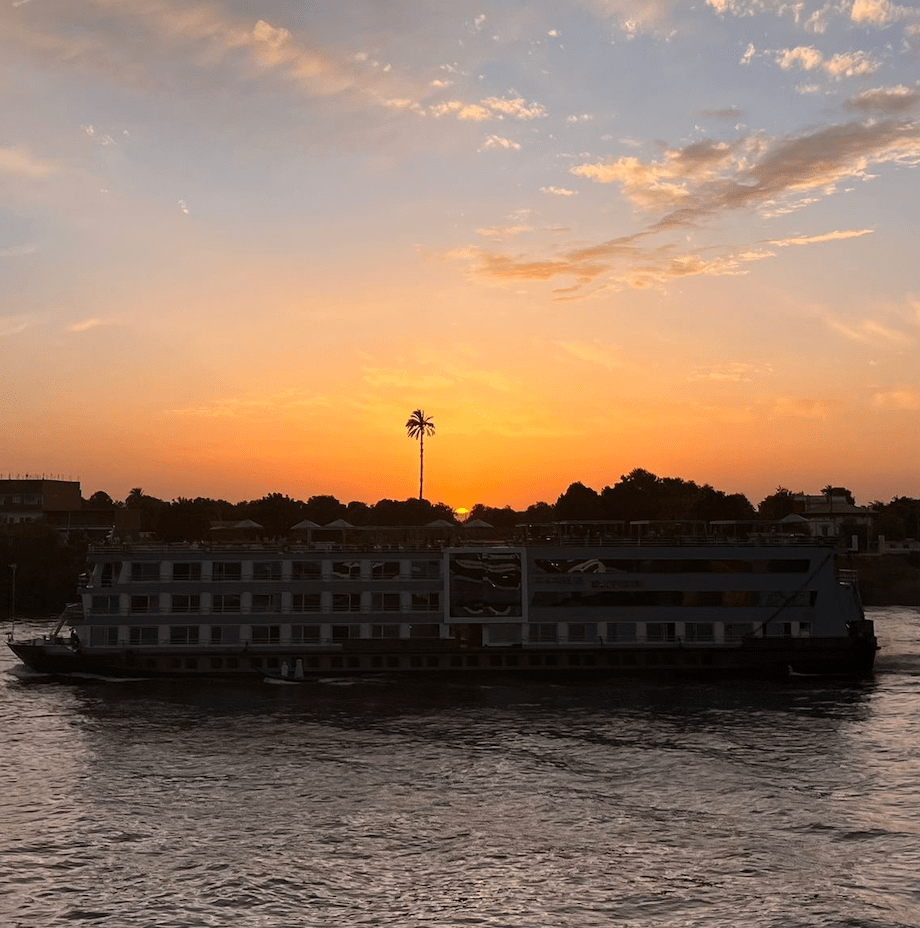
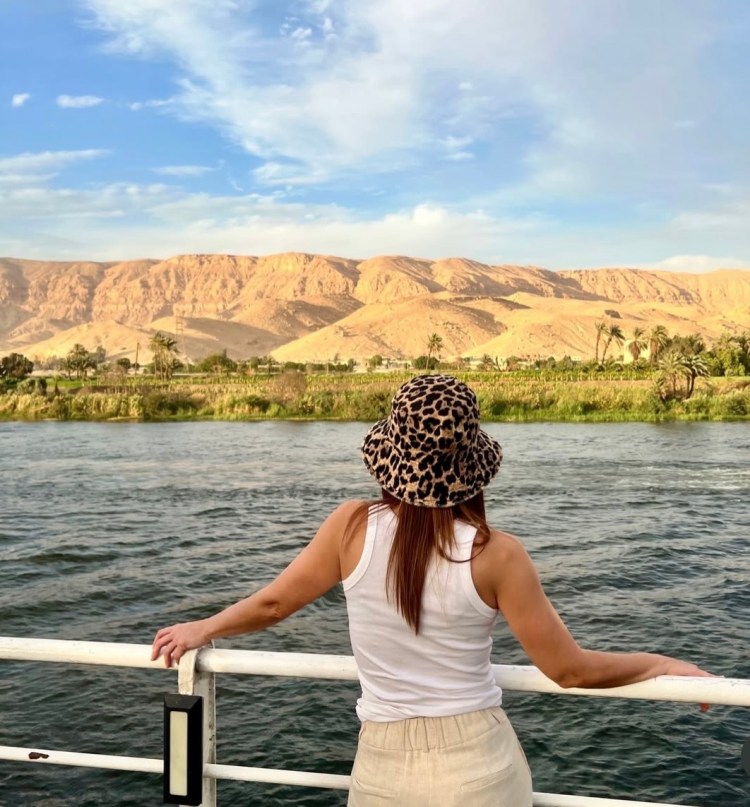
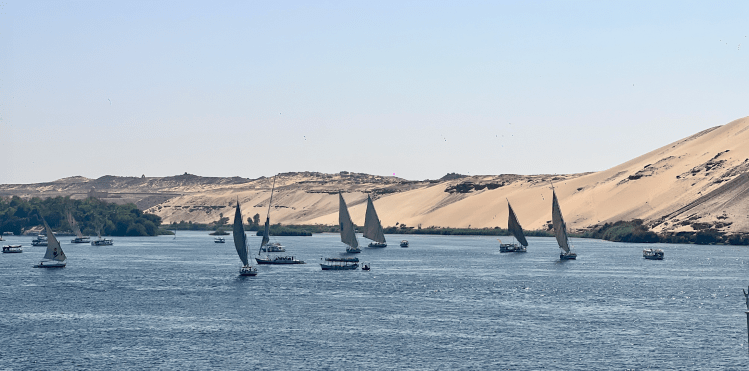
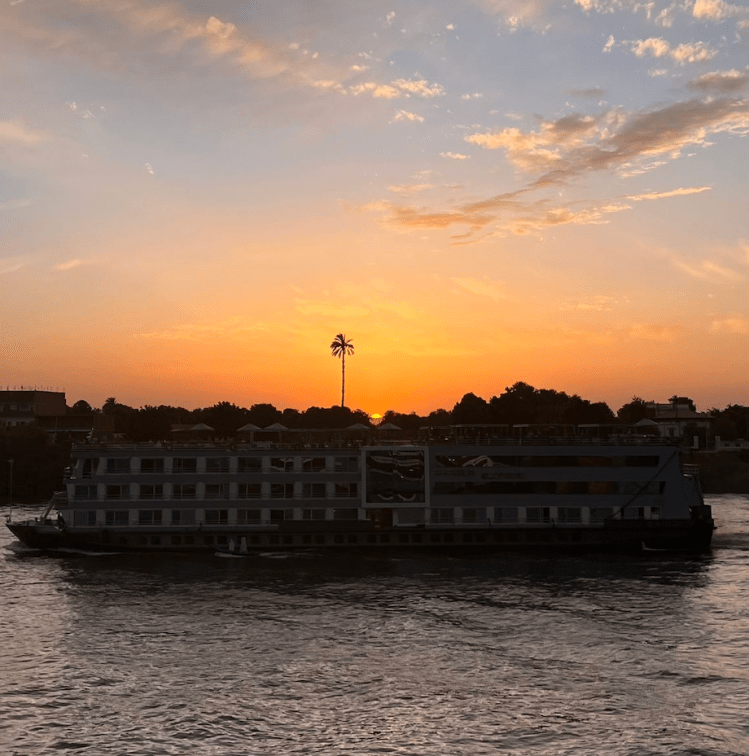
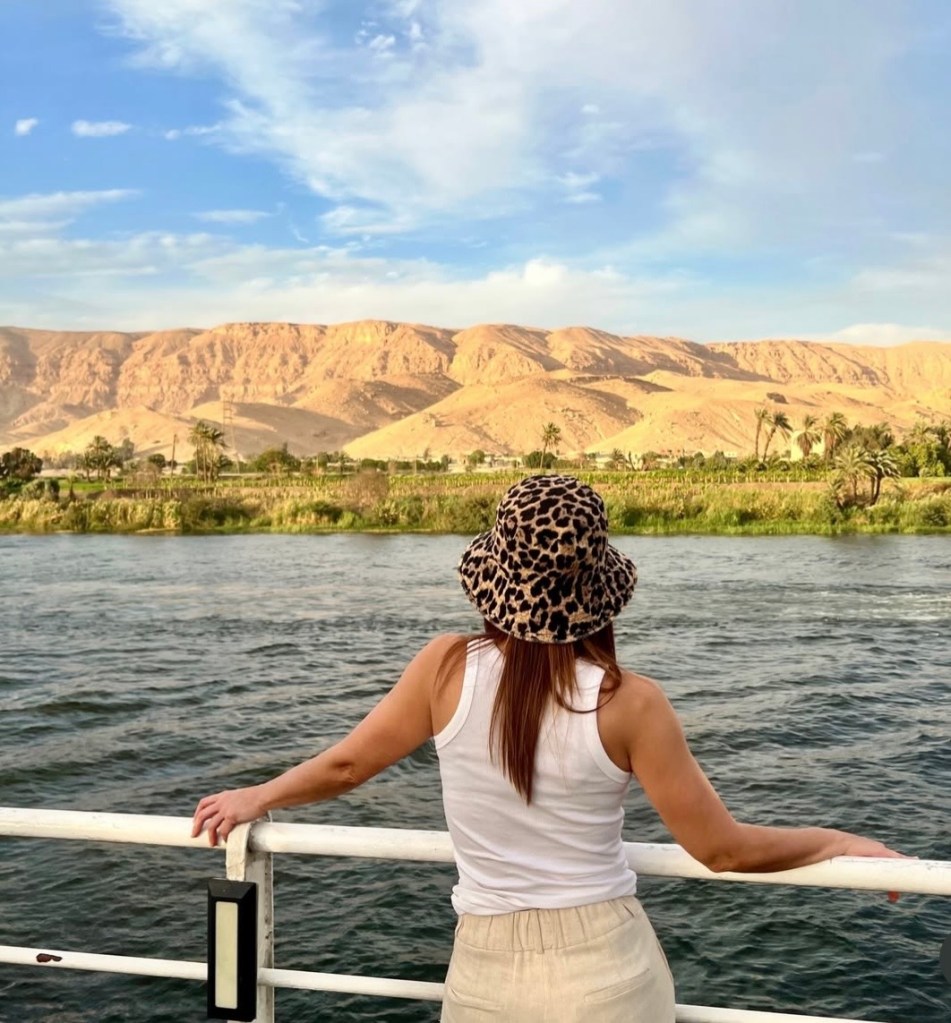
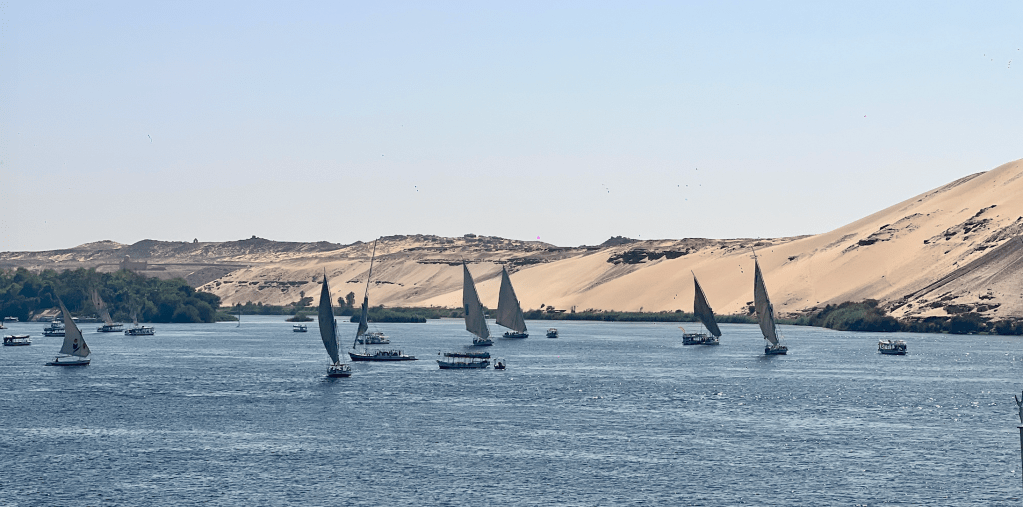
Navegar por el Río Nilo es como estar dentro de la peli de Agatha Christie. El paisaje es impresionante, los colores son únicos y con un poco de suerte hasta puedes ver algún cocodrilo. Es en sí mismo una de las grandes atracciones del viaje y es especialmente mágico durante la puesta de sol. Solo con sentarte en la cubierta del barco a contemplarlo puedes pasarte horas pensando en las miles de historias que tiene detrás, a veces no puedes creerte estar navegando por la que fue fuente de vida para una de las civilizaciones más antiguas del mundo…
Templo de Karnak
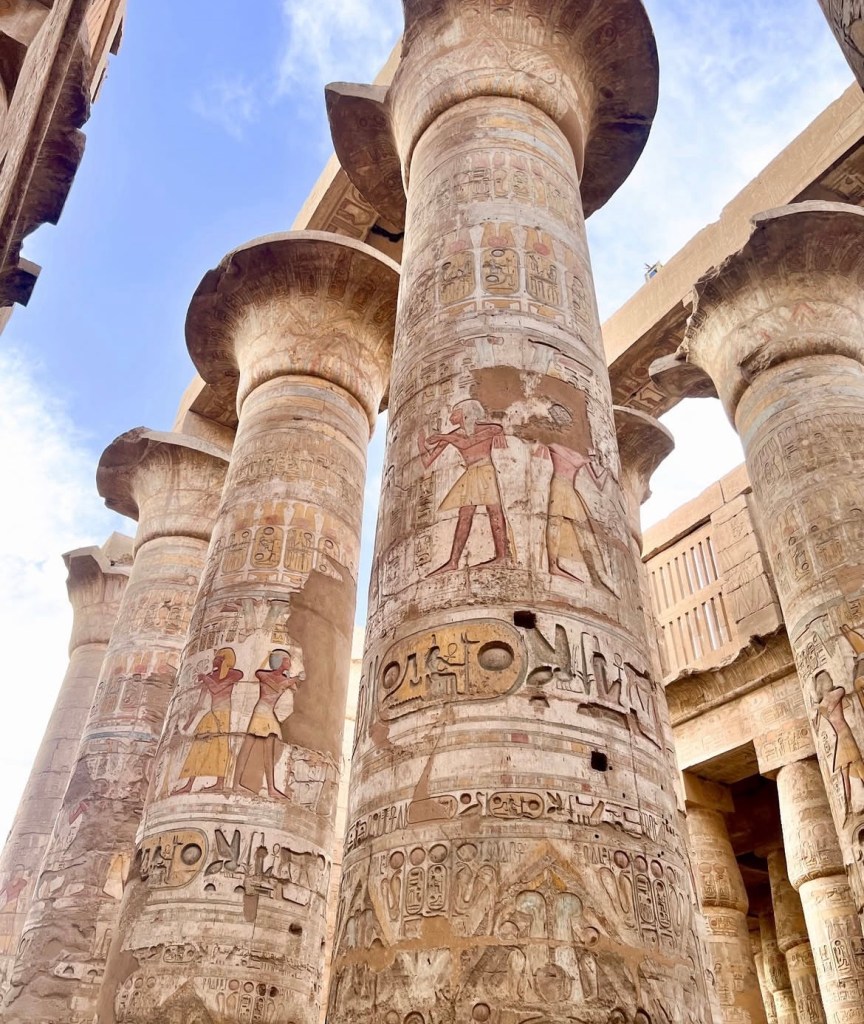
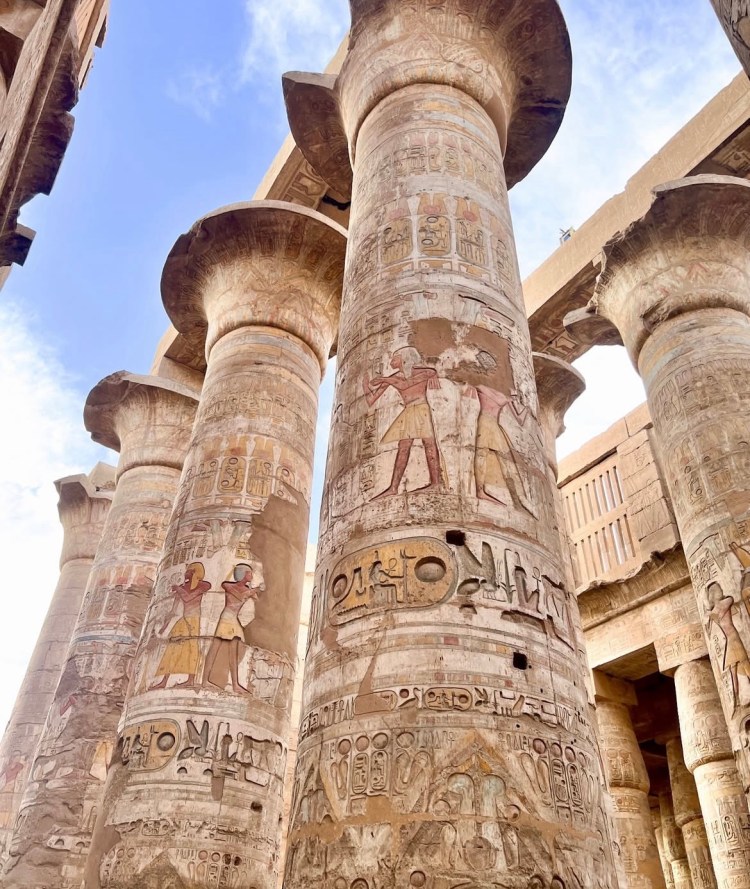
El Templo de Karnak es una ciudad- santuario dedicada al dios Amón y fue uno de los sitios que más nos impresionó en el viaje. Su gran sala hipóstila repleta de columnas te deja con la boca abierta nada más entrar, y todo el complejo en sí tiene para pasar días y días admirando todos sus detalles. Nos encantaron el Lago Sagrado, la avenida de las esfinges y la gran estatua de Ramsés II, así como el curioso escarabajo de Amenofis III conocido como una de los amuletos/ símbolos más venerados en la cultura del Antiguo Egipto. La entrada son 600 EGP.
Templo de Luxor
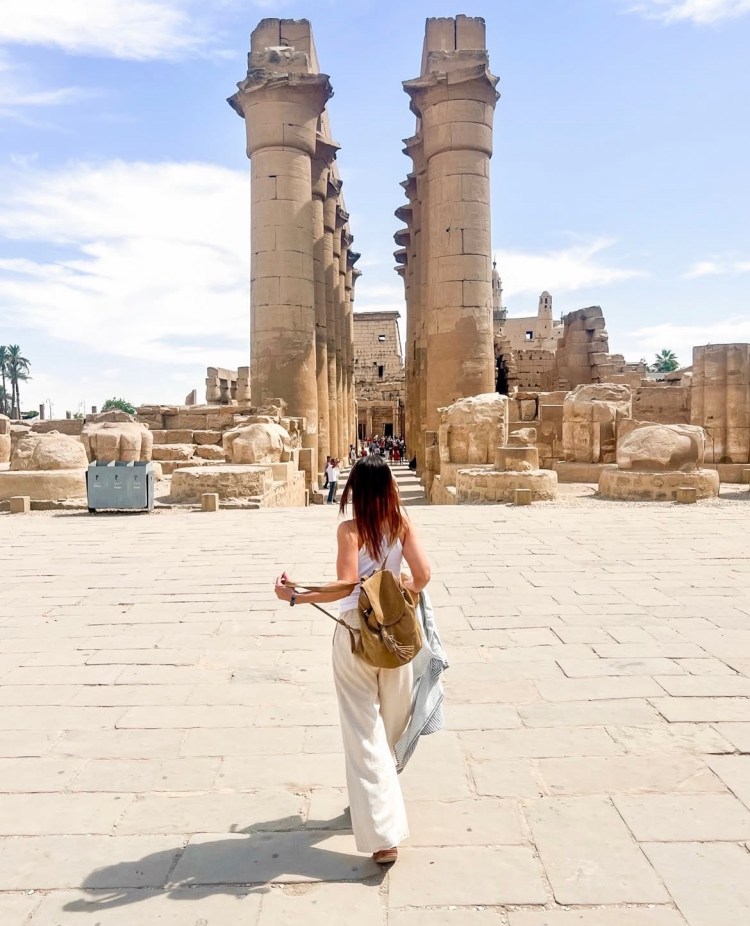
Justo al lado y como complemento a Karnak, se suele visitar el Templo de Luxor. Es uno de los mejor conservados y se accede a él por la avenida de las esfinges. Una vez llegas a su enorme puerta de acceso ves un gran obelisco que simboliza un rayo de sol petrificado y dos grandes colosos a sus lados que representan al faraón Ramsés II. Dicen que entrar por la puerta representa acceder al mundo divino. Una vez dentro, es curioso ver la columnata del patio del faraón o el santuario romano dedicado al culto imperial, con pinturas de emperadores romanos que se superponen a las figuras de los faraones. La entrada cuesta 500 EGP.
Valle de los Reyes y Valle de las Reinas
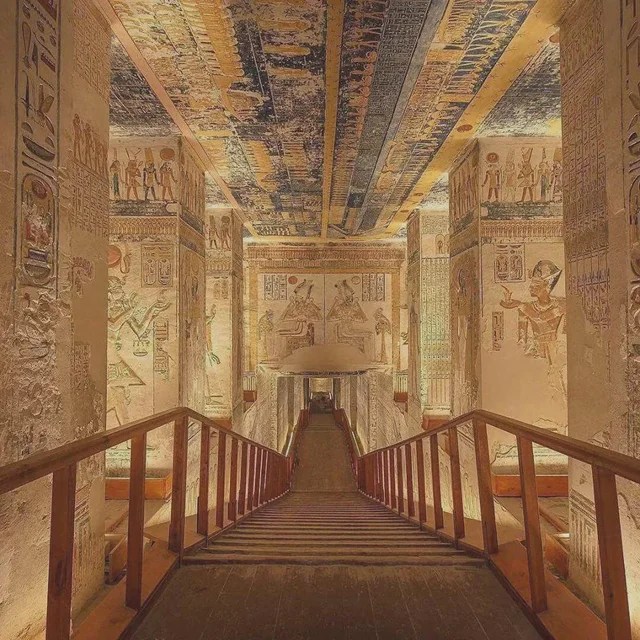
El Valle de los Reyes es una necrópolis ubicada en la orilla occidental del río Nilo, cerca de Luxor, y fue lugar de entierro para los faraones del Imperio Nuevo. En este valle se han llegado a descubrir más de 60 tumbas excavadas en la roca con los restos de faraones, reinas y nobles de las dinastías XVIII, XIX y XX (entre ellos el famoso Tutankamón). En la visita se puede entrar a varias tumbas, aunque para acceder a las más importantes suelen cobrar un extra. Cercano a éste se encuentra el Valle de las Reinas, donde se enterraron a las esposas e hijos de los faraones. Cuenta con más de 90 tumbas, entre la que se encuentra la de Nefertari (la esposa favorita de Ramsés II), que también se cobra a parte de la entrada. Generalmente, junto al Valle de los Reyes suele visitarse también el Templo de Hatshepsut, dedicado al dios Amón-Ra, con sus características terrazas en tres niveles.
Abu Simbel
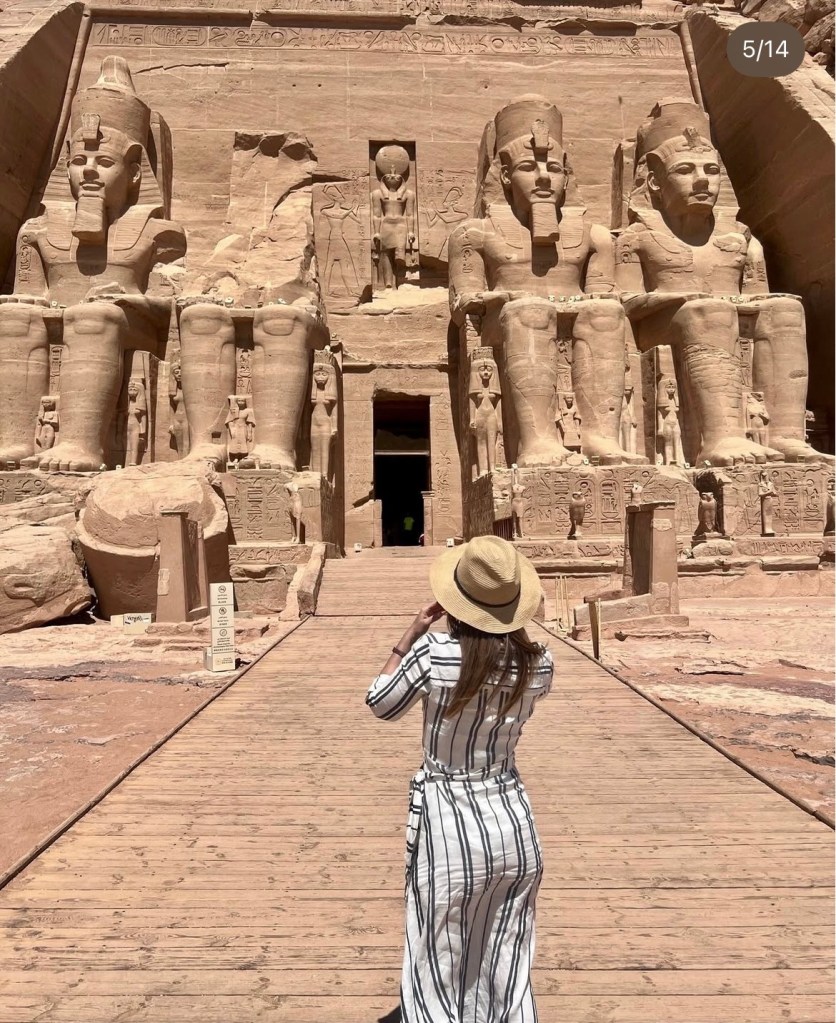
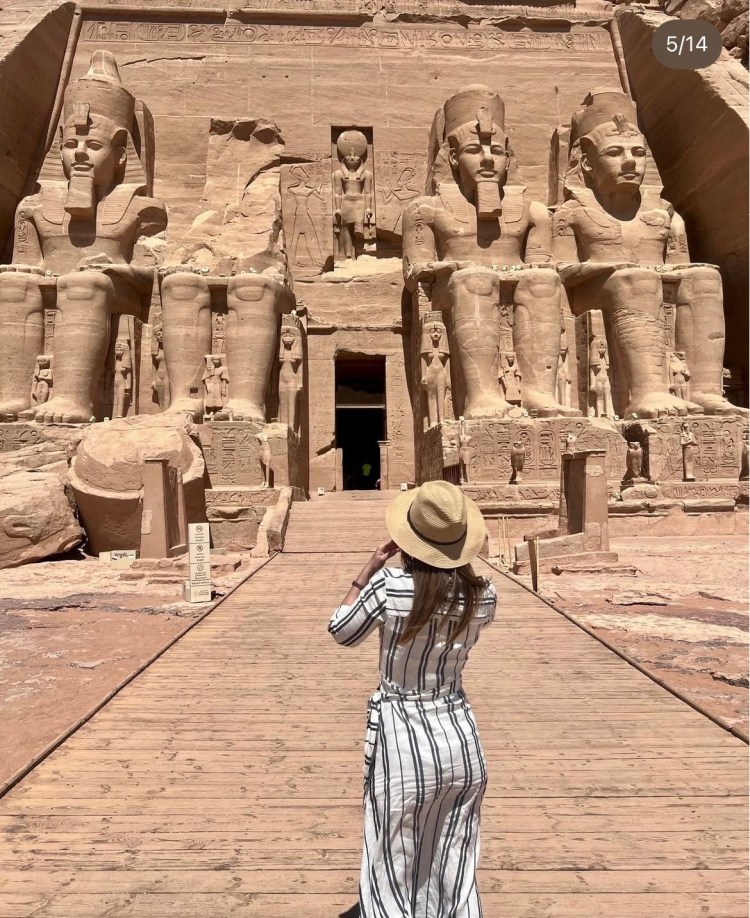
Abu Simbel se encuentra situado en la zona sur del Nilo y para llegar a él hay que hacer un largo trayecto en coche/bus (unas 3h) o coger un avión. Pero la aventura merece la pena. Sus dos templos excavados en la piedra (uno dedicado a Ramsés II y el otro a Nefertari) representan una espectacular obra de ingeniería ya que fueron trasladados y reconstruidos en 1960 de manera exacta a como estaban en su ubicación anterior justo a la orilla del río. En uno de sus nichos se esculpieron las imágenes de Ptah, Amón-Re, Re Horakhty y Ramsés divinizado, con una ubicación estratégica para que dos veces al año (coincidiendo con los equinoccios) el sol incida directamente sobre ellas excepto sobre la del dios Ptah (dios de la oscuridad). A las 19h (de domingo a jueves) y a las 20h (viernes y sábado), hay un impresionante espectáculo de luz y sonido que recrea la historia de los faraones a través de proyecciones sobre los templos y cuya entrada cuesta unas 300 EGP aprox.
Templo de Philae
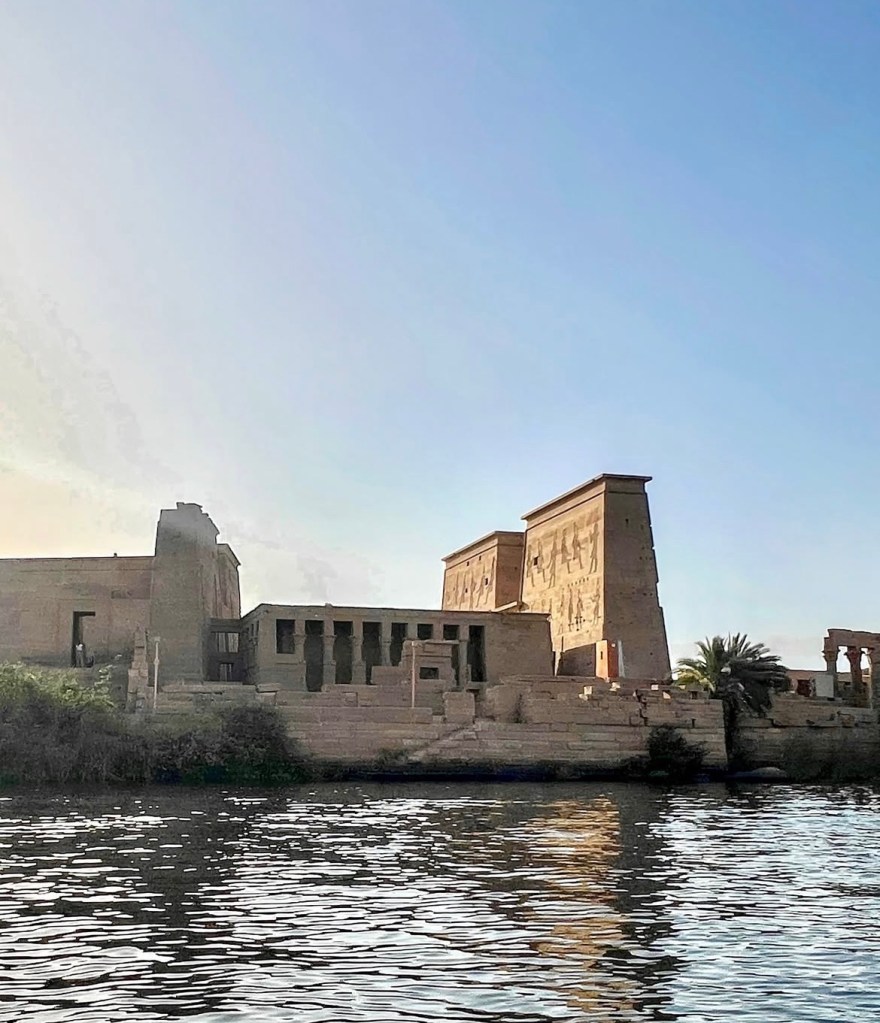
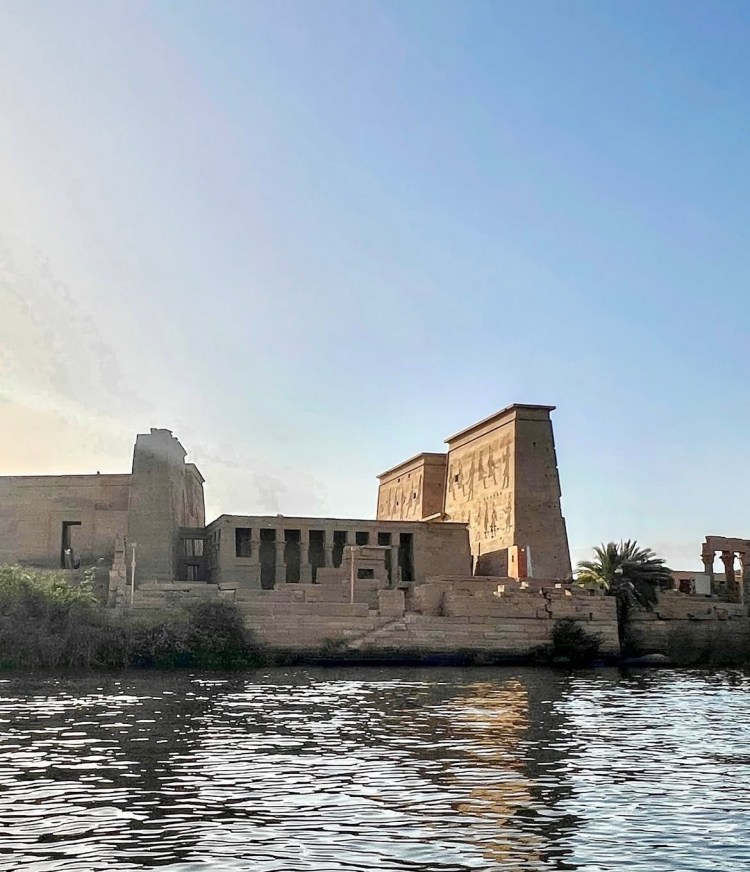
Uno de los templos más bonitos y escénicos es Philae, dedicado a Isis (la diosa del amor). Se encuentra sobre una isla, rodeado de agua y vegetación, aunque también fue trasladado de su ubicación original ya que, tras la construcción de la Presa de Asuán, quedó sumergido bajo el agua. Llegar al templo en barco es impresionante, la vista es casi como estar viendo una postal. Una vez dentro, impacta mucho ver la última inscripción de la escritura jeroglífica documentada (del 394 d.C.) en la puerta de Adriano, y es recomendable dar un paseo para admirar su conjunto de templos, puertas romanas, el «Nilómetro» que marca las crecidas del río o la Capilla de Mandulis.
Necrópolis de Giza: Pirámides
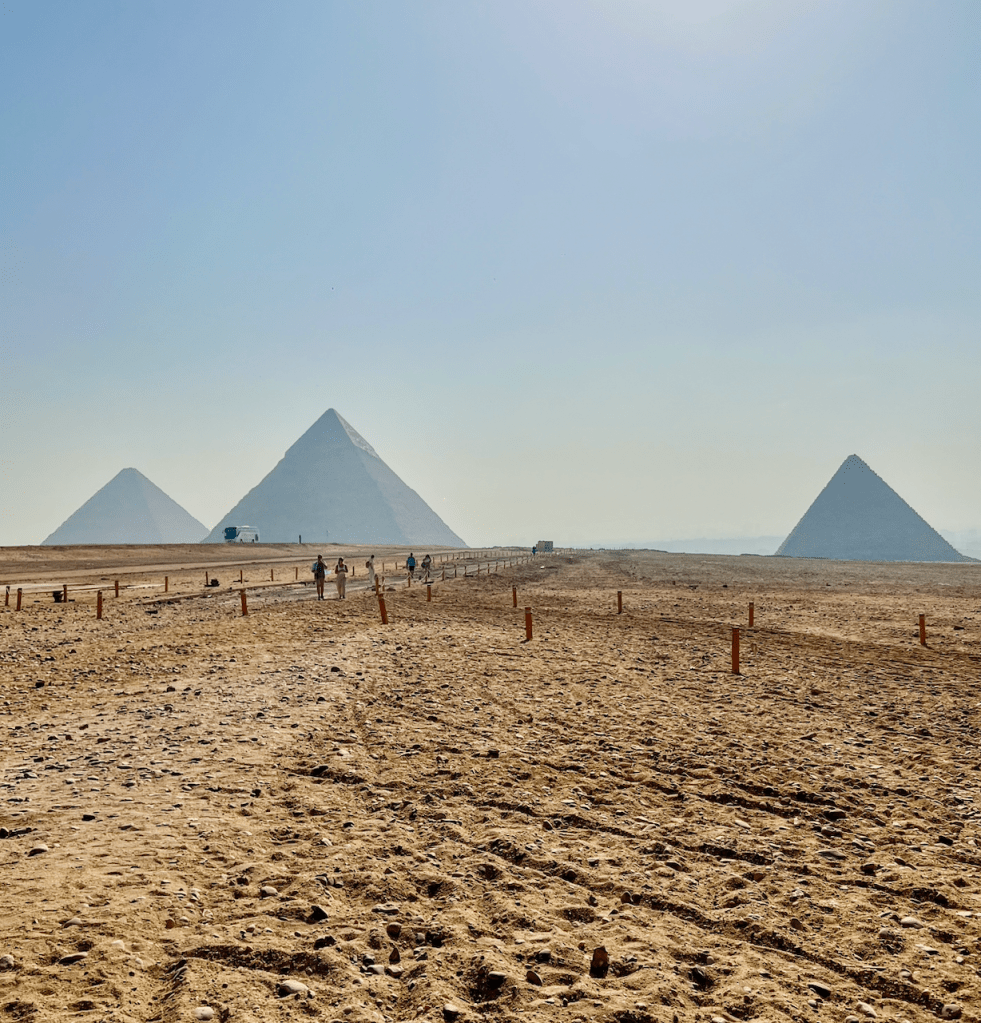
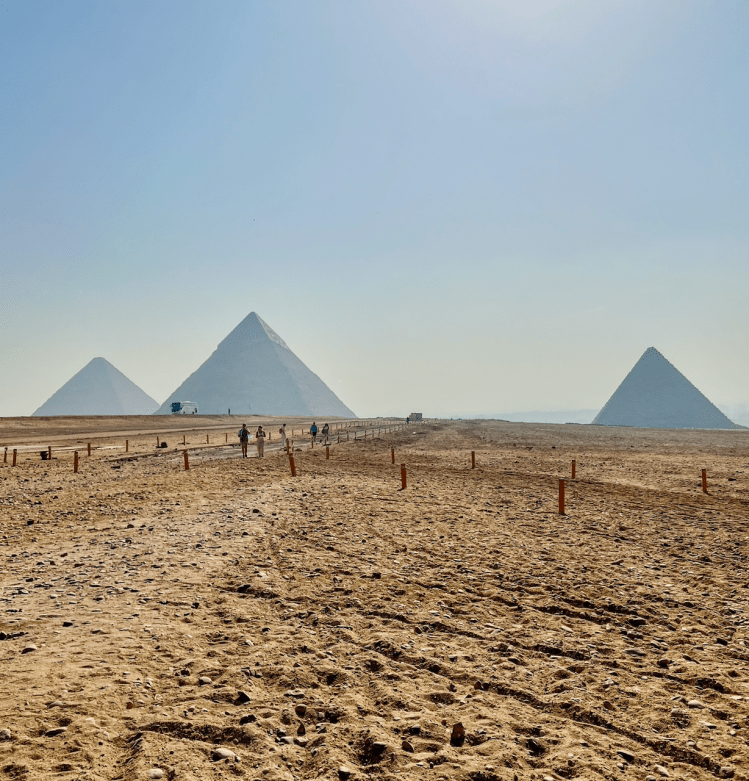
Estar delante de las tres pirámides Keops (la más grande), Kefrén y Micerino (la más pequeña) es como un sueño hecho realidad, tienes que frotarte los ojos varias veces para creer lo que estás viendo. Keops, «La Gran Pirámide», es la única de las siete maravillas del mundo antiguo que aún perdura. Las pirámides se construyeron para albergar los restos embalsamados de los faraones del Antiguo Egipto y se dice que fueron construidas con una «tecnología» muy avanzada para su época. Pero también están rodeadas de mitos y supersticiones: algunos piensan que están alineadas con las estrellas de la constelación de Orión donde se creía que habitaba Isis, otros que están orientadas al norte para simbolizar el viaje del faraón a las estrellas, o que los estrechos canales que unen las tumbas en su interior apuntan a estrellas específicas para guiar el alma del difunto… Sea como sea, lo cierto es que cuando paseas por el complejo sientes esa energía y magia especial… es uno de los hitos del viaje. La entrada al recinto cuesta 1000 EGP.
La Gran Esfinge
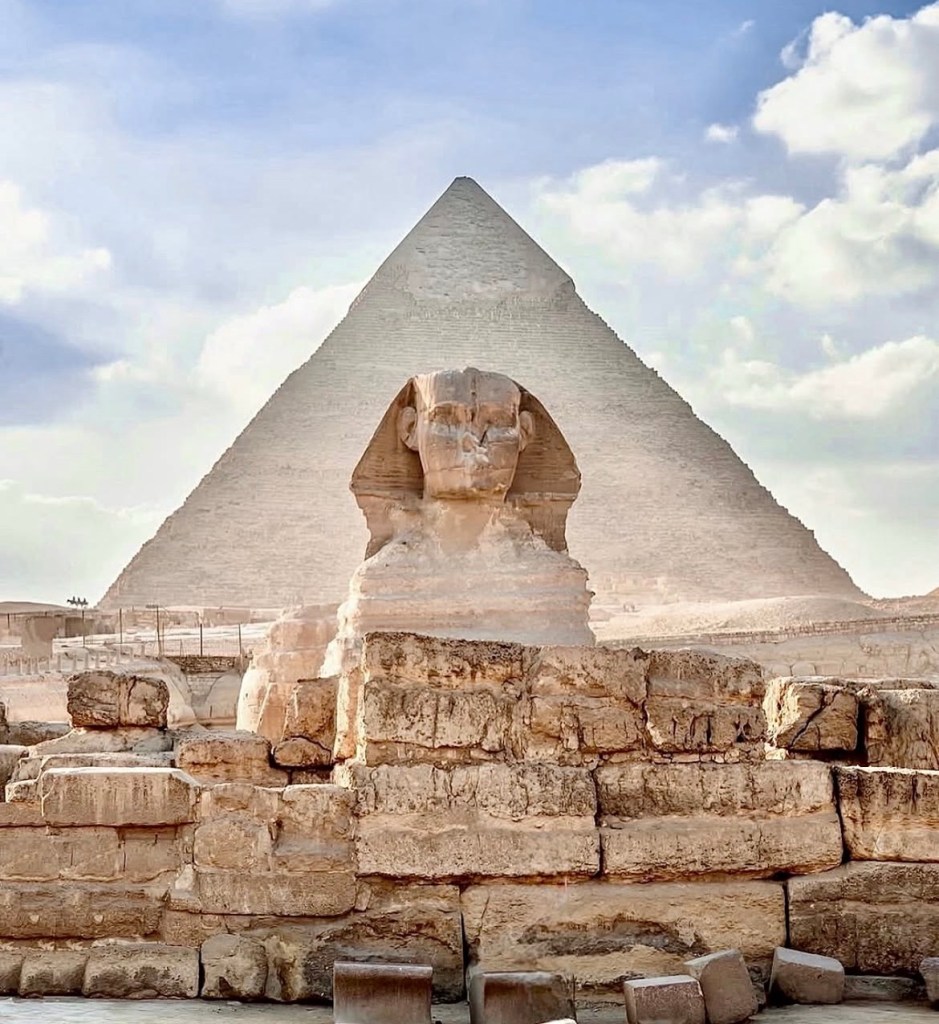
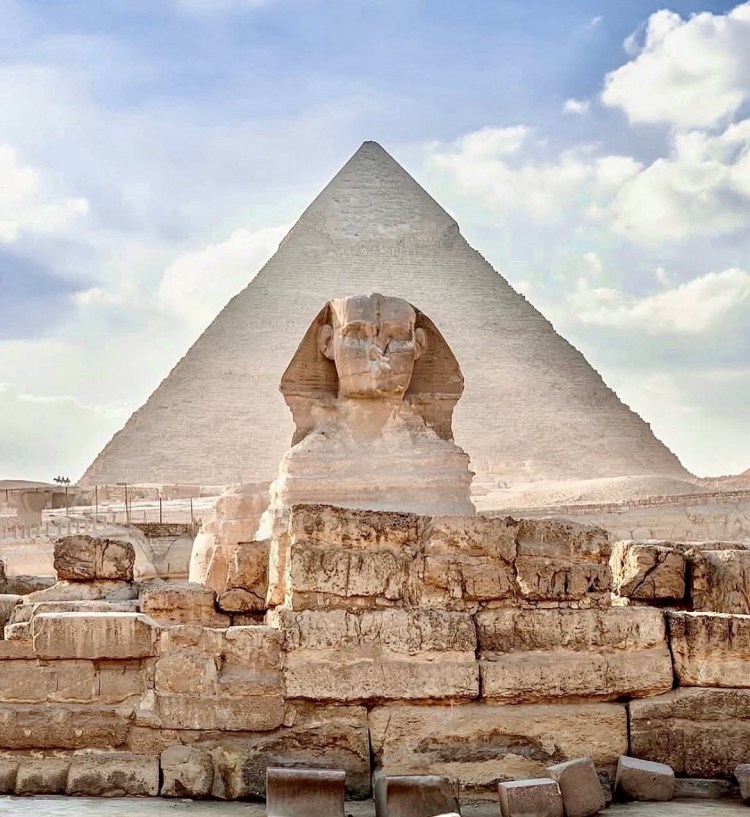
La icónica estatua de 20 metros de alto por 73 de largo está formada por una cabeza que representa al faraón Kefrén con un cuerpo de león y en la actualidad está bastante afectada por la erosión, siendo lo más notable la falta de nariz en el rostro del faraón (de la que se llegó a decir falsamente que había sido destruida por un cañonazo del ejército de Napoleón), o los fragmentos de una barba faraónica ceremonial que se encuentran actualmente en el Museo Británico de Londres. La estatua no es solo una escultura colosal, es un símbolo viviente del Antiguo Egipto con más de 4.500 años y exploraciones modernas han detectado cavidades y cámaras ocultas bajo ella que algunas teorías esotéricas afirman que albergan la «Sala de los Archivos», un depósito de conocimientos de la Atlántida. La entrada cuesta 700 EGP.
Bazar Khan el Khalili
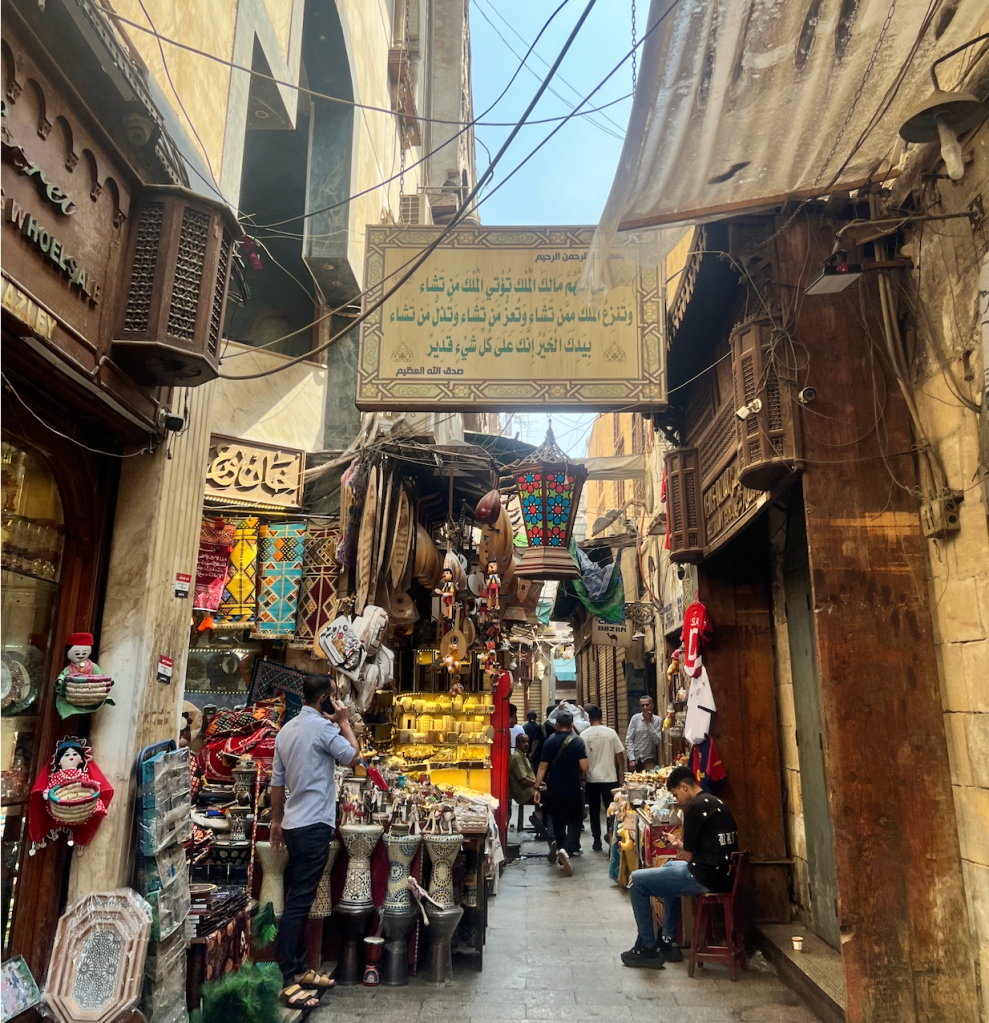
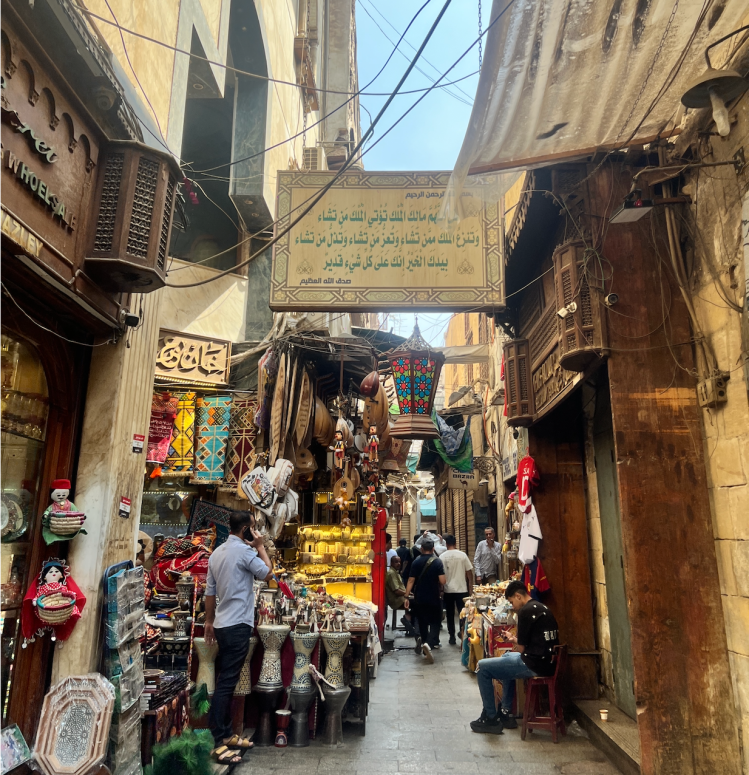
El mercado más famoso de Egipto y de todo Oriente Medio se construyó en el año 1382 en las ruinas de un antiguo cementerio fatimí y ofrece un laberinto de callejuelas y puestos en el que fácilmente puedes perderte varias horas perdiendo la noción del tiempo. En sus más de 900 puestos y tiendecitas se venden lámparas, joyas, especias, perfumes, artesanía, y hasta instrumentos musicales. Pero también encontraréis cafeterías antiguas con muchísimo encanto como el famoso Café de los Espejos (Café Fishawi) donde parar un rato a disfrutar de un té en medio del bullicio. En los puestos podréis regatear todo lo que queráis, pero si no os gusta el regateo y queréis llevar algún souvenir podéis buscar el mítico puesto de Jordi en el que todos los precios están fijados y son bastante económicos.
Parque Al-Azhar
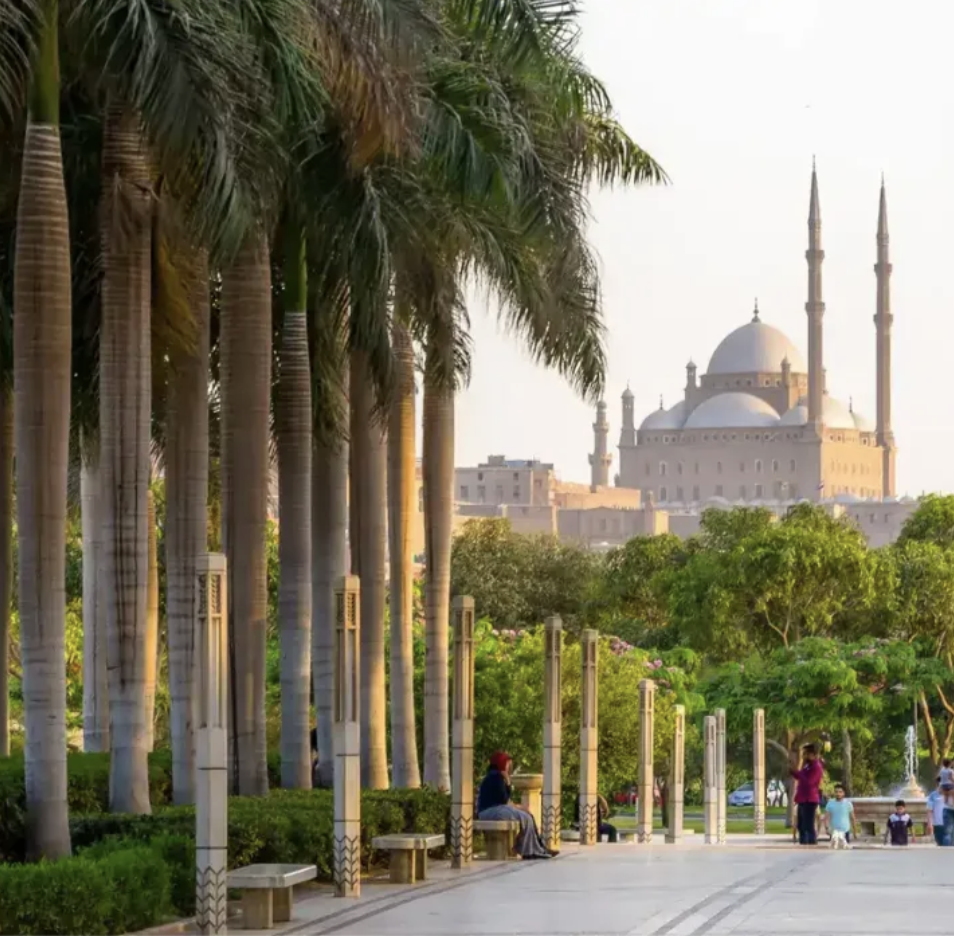
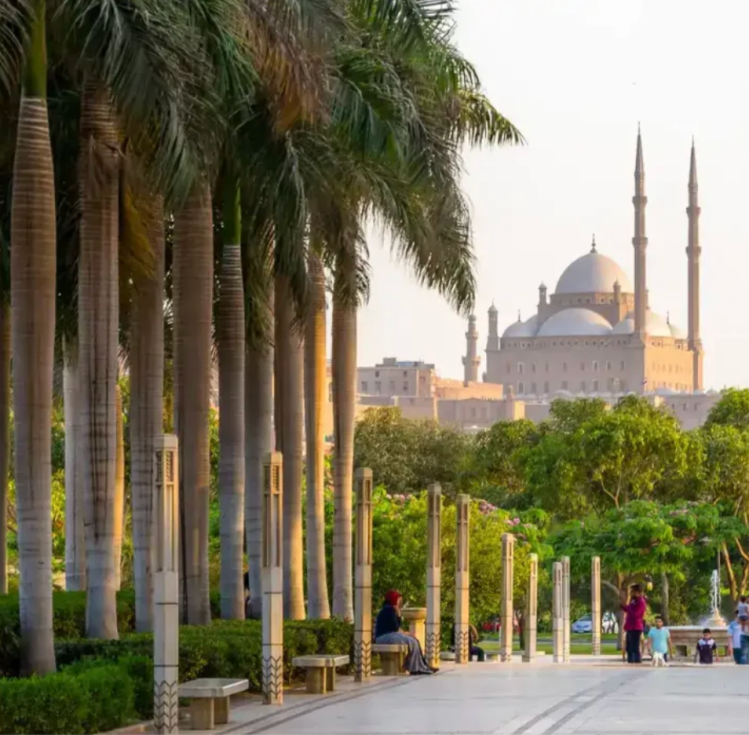
Este parque es un enorme oasis verde en el corazón de El Cairo. Com más de 30 hectáreas, es ideal para caminar por sus senderos, jardines, lagos y fuentes, y disfrutar de sus impresionantes vistas panorámicas del casco antiguo y la Ciudadela. Se inauguró en el año 2005 y se ha convertido un lugar popular para relajarse y hacer un break del caos del centro de EL Cairo. Está abierto de 9h a 22h y la entrada cuesta 40 EGP.
GEM
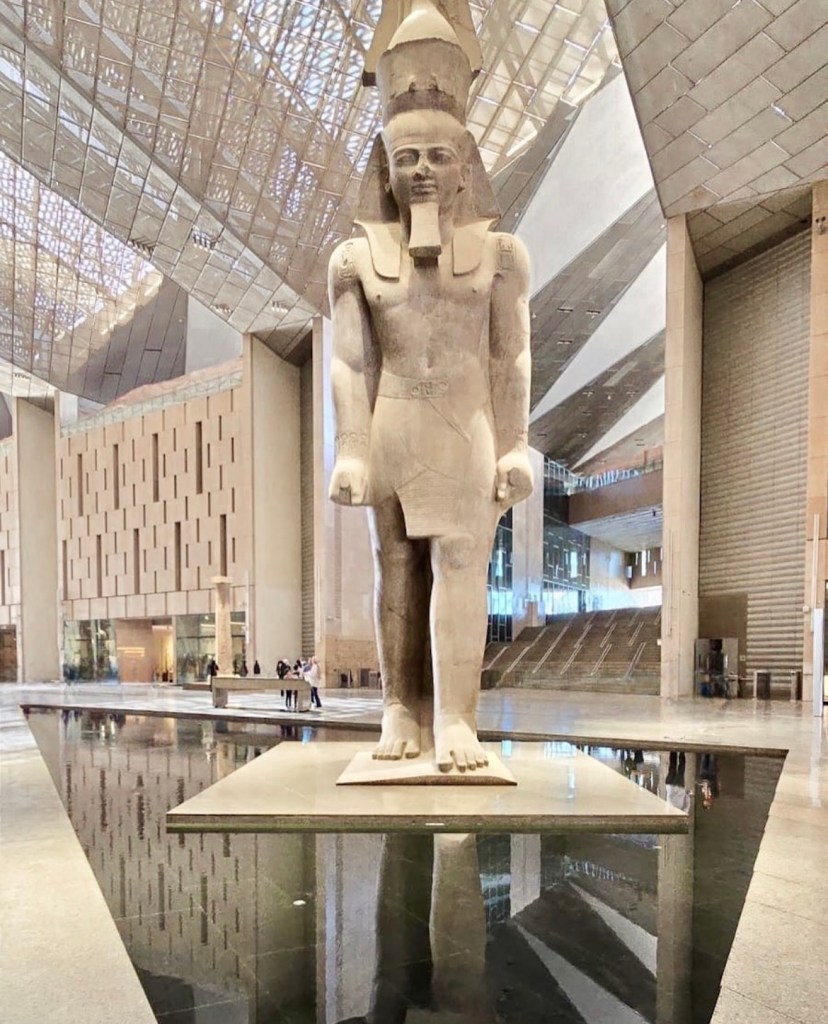
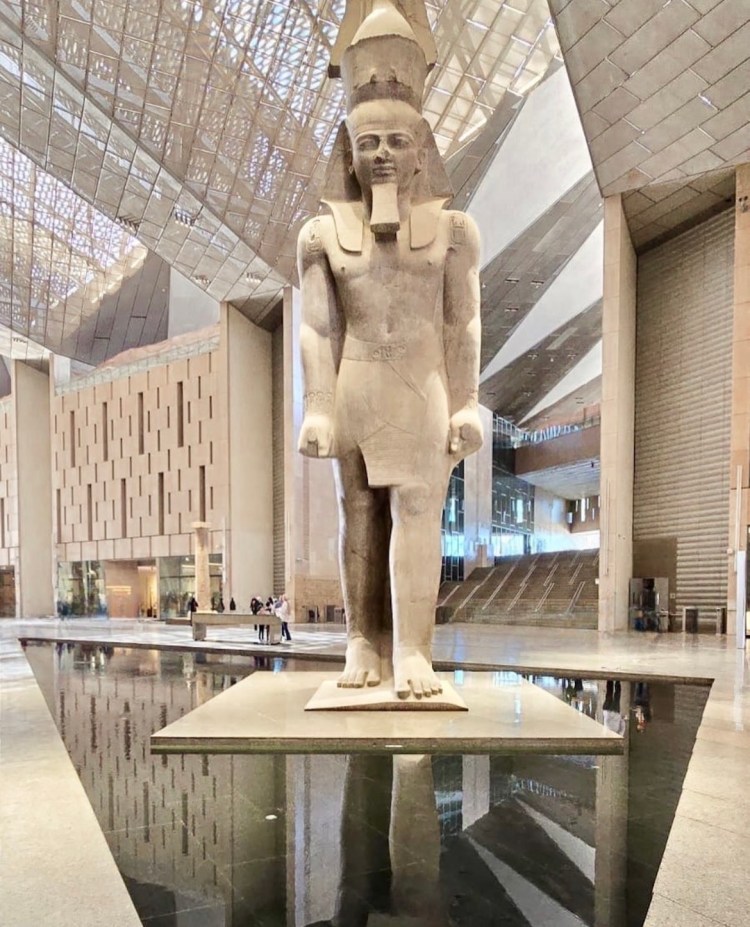
El Gran Museo Egipcio es el museo arqueológico más grande dedicado a una civilización. Se encuentra en Guiza y, tras años de retrasos y e inversiones millonarias, por fin abrió del todo en el mes de Noviembre de 2025. Para visitarlo planead tiempo, ya que está cargado de obras impresionantes como las diez estatuas de Sesostris I, la máscara dorada de la tumba de Tutankamón, el sarcófago de piedra de Tutmosis I, el ataúd de madera de Senbi, la escultura que representa la gestación de Horus, las estatuas de Amenhotep, la de la reina Hatshepsut, la cabeza de Alejandro Magno… Las galerías del museo abren de 9h a 18h y la entrada cuesta 1450 EGP.
Otros sitios que ver y visitar en Egipto
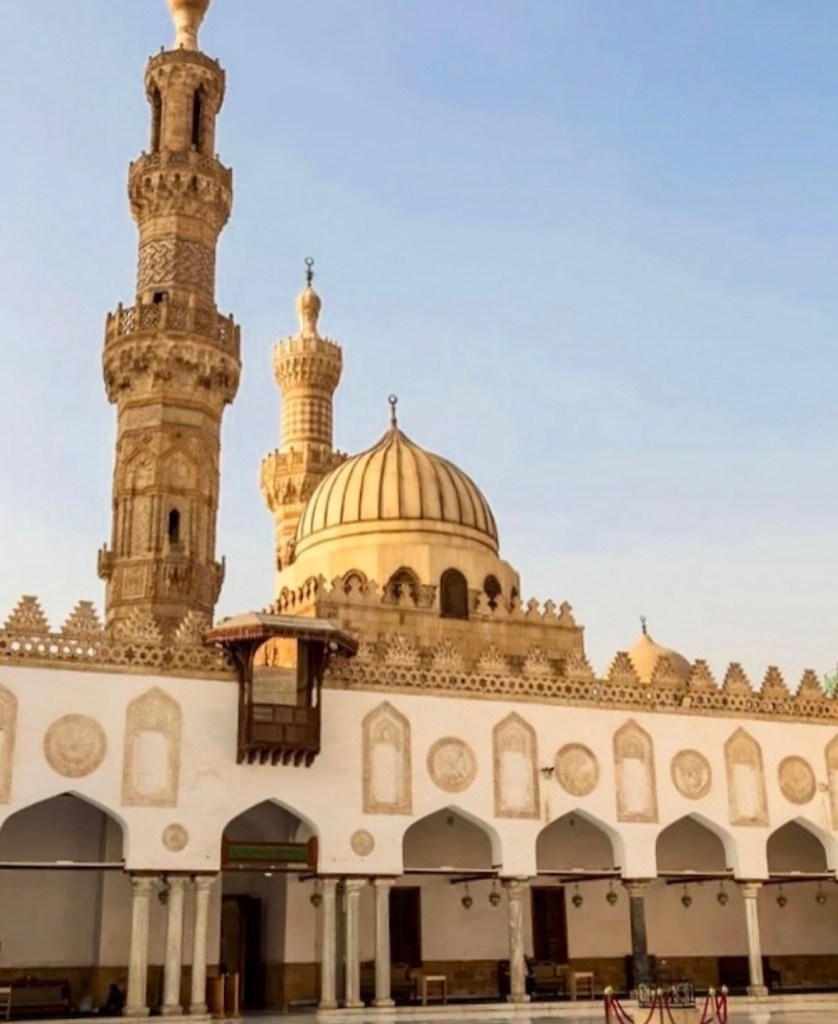
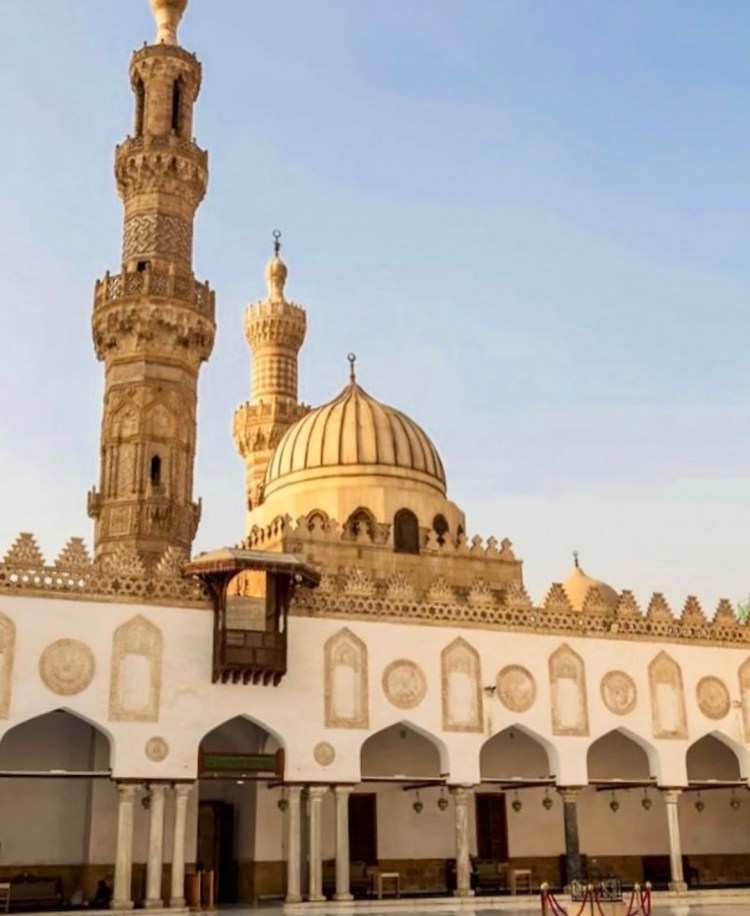
Si contáis con tiempo suficiente, hay mil lugares que ver y visitar: la Ciudadela de Saladino con la mezquita de Muhammad Ali o Mezquita de Alabastro en El Cairo, la Pirámide escalonada de Zoser, Menfis, el Templo de Seti I, los templos de Edfu y Kom Ombo, el Lago Nasser, Alejandría, el Mar Rojo y Sharm el Sheikh, Hurghada… las posibilidades son infinitas!
Bares y restaurantes en El Cairo
No sabíamos bien qué nos encontraríamos en El Cairo, pero decidimos perdernos un poco entre sus calles y encontramos verdaderos tesoros… quisimos alejarnos lo máximo posible de los circuitos más turísticos y nos encantó explorar el barrio del hotel, Al Duqqi, super recomendable!
Eso sí, estas recomendaciones son Trippingbites total... no esperéis sitios demasiado típicos ni lugares con menús en inglés, son sitios super locales en los que hay que tirar a veces de traductor de Google y a veces de un poco de valor para salvar el impacto de la entrada jajajajaj. Pero bueno, también os dejo un par de sitios un poco más turísticos por si no os apetece tanta aventura 😉
Paco’s Stella Bar
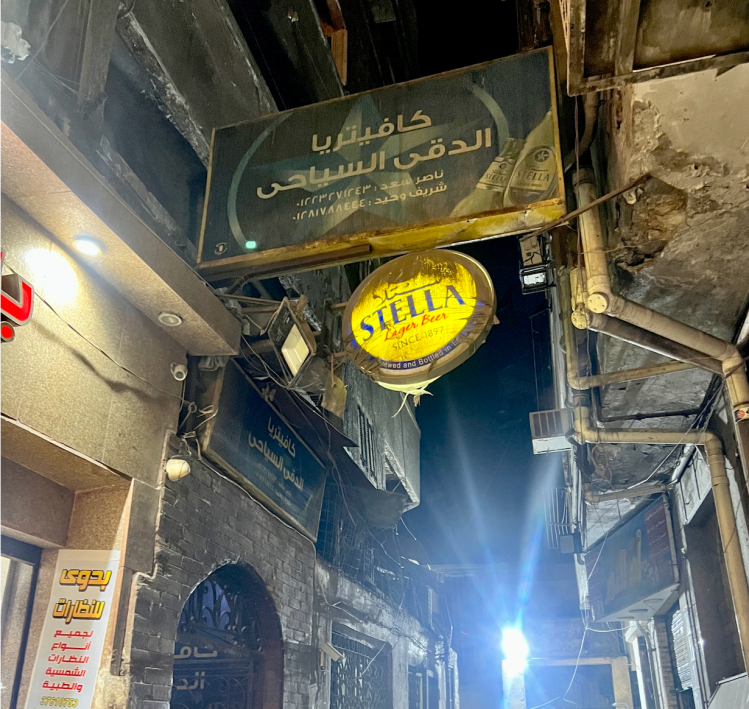
En Egipto el alcohol es legal para los turistas y no hay problemas para tomarlo en lugares autorizados. Pero, siendo un país de mayoría musulmana, su consumo está bastante limitado culturalmente. Las opciones (interesantes) si os apetece una cerveza son pocas más allá de hoteles y restaurantes turísticos… pero encontramos este bar super auténtico frecuentado únicamente por hombres egipcios de mediana edad en el que yo creo que no habían visto muchas mujeres entrar. Se trata de un bar «baladi» (local y tradicional) emblemático y antiguo, sin pretensiones. La primera vez por respeto dudé si debía entrar, pero el dueño nos invitó amablemente con una gran sonrisa y nos trató como si fuéramos clientes de toda la vida. Está bastante oculto en un callejón un tanto intimidante y con una entrada tan discreta que no es fácil encontrarla si no sabes dónde buscar, pero al entrar te transportabas al pasado con ese típico olor a humedad y barriles vistos de cerveza. Incluso nos sacaban su versión de «tapa» con altramuces aderezados con su propio mix de especias… cerveza Stella helada, ambiente super local y trato excepcional. Animaros a visitarlo si estáis por la zona!
📍 106 El Tahrir, Gizeh
Dar Alsham
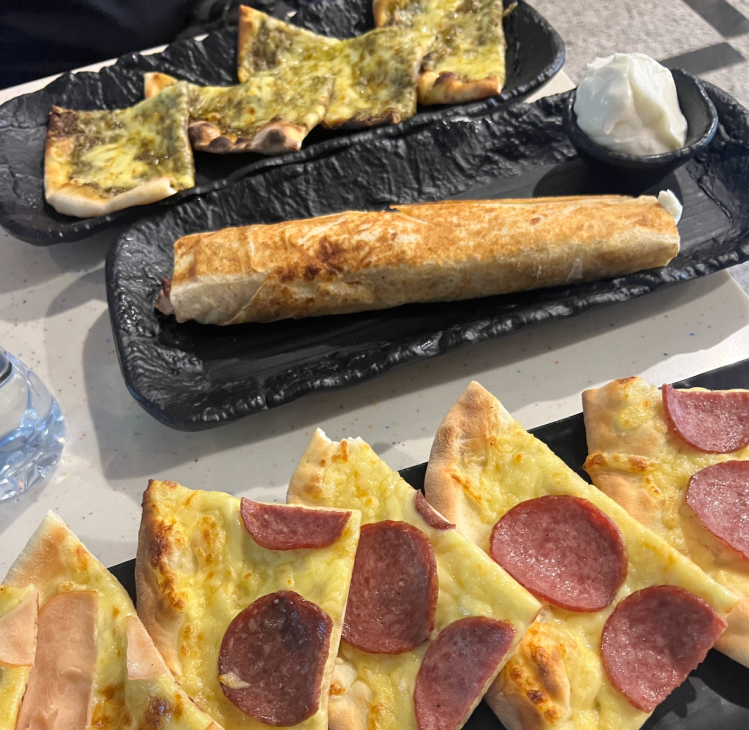
Otro grandísimo descubrimiento! Todos los platos que imaginéis de comida egipcia en un local bastante moderno y funcional en el que a la hora de comer solo encontrabas gente local y a muy buenos precios. Qué pena no haber tenido más días en El Cairo para probar más platos allí, pero nos encantó todo, desde los Shawarmas (nada que ver con lo que nos ponen en España!) envueltos en una crujiente masa filo, los tajines, los pides elaborados de manera un tanto distinta a los turcos… La carta está en egipcio y en la entrada hay bastantes imágenes con los platos, así que si con el traductor tenéis problemas siempre podéis hacer una foto al plato que más os guste y enseñársela al chico del mostrador a la hora de hacer el pedido como hicimos nosotros… son super amables y te ayudan en todo. Algunos compañeros de nuestro grupo de viaje no se decidieron a entrar por la barrera del idioma y se perdieron un buen festín! Si estáis en El Cairo no hagáis lo mismo, jejejeje
📍 114 El Tahrir, Ad Doqi A, Dokki
Safer Restaurant Cafe
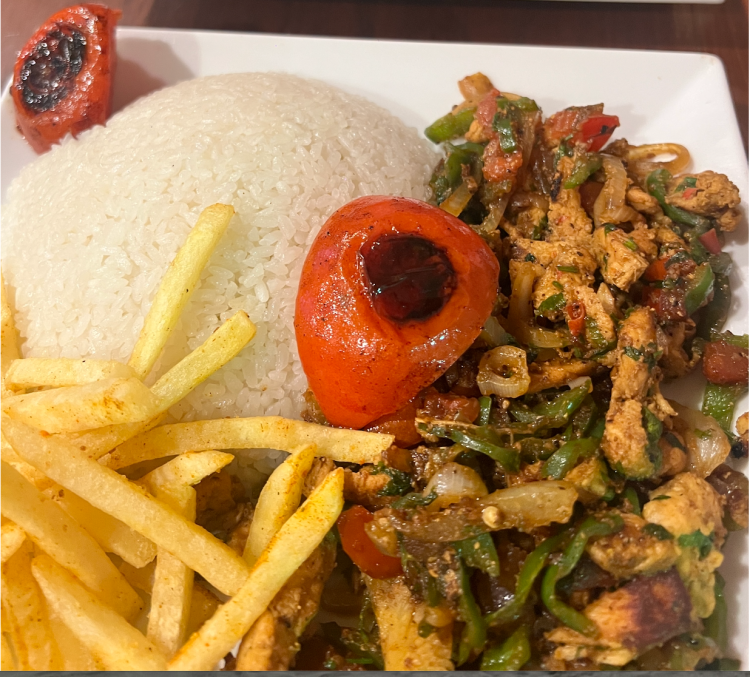
Es una cafetería-bar-restaurante en la que puedes comer o cenar, pedir una sisha o simplemente tomar un café. Su carta es variada y tiene muchas opciones a buenos precios, es perfecto para cuando tienes que solucionar una comida o cena práctica y los platos, elaborados al momento, estaban todos riquísimos.
📍 20 Mesaha Street, Dokki, Giza
Abou Mazen
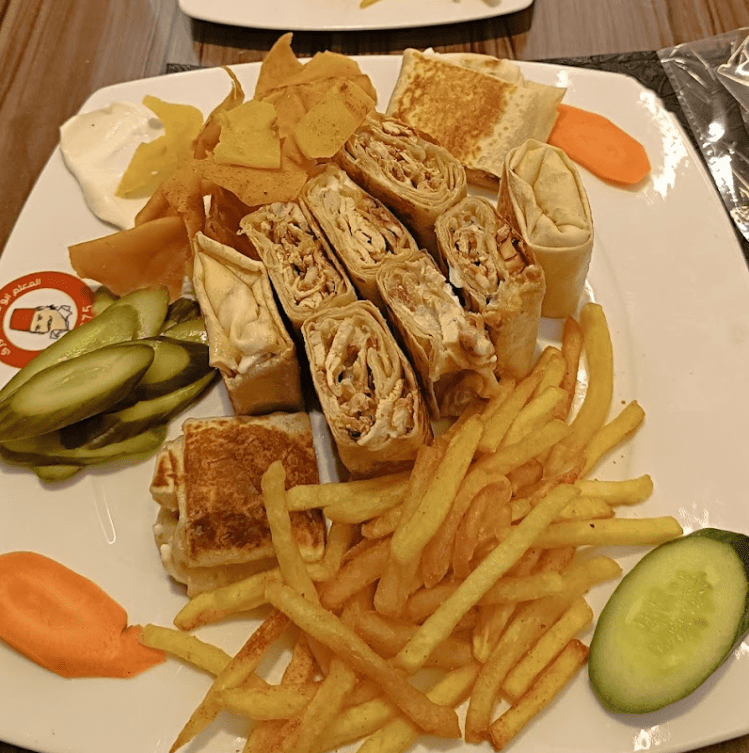
Esta cadena local destaca por su comida a la brasa y por ofrecer platos deliciosos con buenas cantidades en plena calle El Tahrir. Pedid una buena degustación para probar un poco de todo, pero no olvidéis el falafel ni los shawarmas. También ofrecen comida para llevar.
📍 El Tahrir, Ad Doqi, Dokki, Giza
El Fishawi Cafe
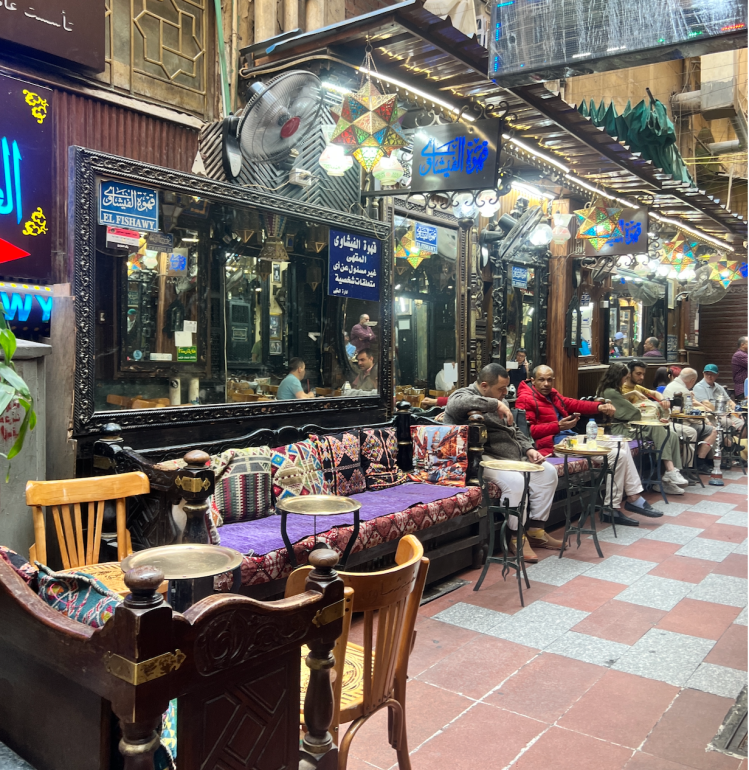
Conocido popularmente como «El Café de los Espejos», y situado en pleno Bazar Khan el-Khalili, esta tetería es un lugar de obigada parada en El Cairo. Por lo que es más conocido es por su té a la menta y por la posibilidad de fumar narguile, pero además es una cafetería histórica que fue un popular punto de reunión de artistas e intelectuales. En su salón interior parece que el tiempo se detiene entre reflejos de espejos con ostentosos marcos dorados y en las mesitas coloridas del exterior se puede hacer un pequeño descanso del bullicio del bazar mientras repones fuerzas para seguir regateando. Es curioso de ver.
📍 Haret Khan Al-Khalili St. (dentro del bazar)
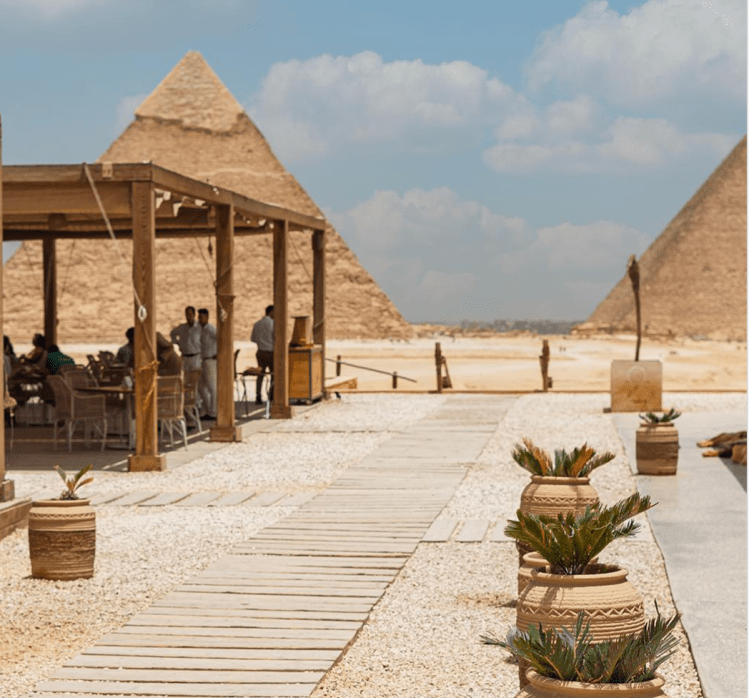
Si buscáis el típico restaurante donde cenar con una vista privilegiada de las pirámides de Giza viendo el show de luces al anochecer, el 9 Pyramids es uno de los más conocidos. Se ubica a pie de arena y ofrece menús con comida tradicional egipcia. Es recomendable reservar con antelación y podéis escoger entre cenar en mesas de madera o en almohadones en el suelo al más puro estilo beduino.
📍 Nazlet El-Semman, Al Haram, Giza
Imprescindibles de Egipto en el mapa📍
<iframe src=»https://www.google.com/maps/d/embed?mid=1Xi51LOpL3oW73ELvGhiBnQEKjv-hZQk&ehbc=2E312F»width=»640″ height=»480″>
Hasta aquí nuestro viaje por uno de los destinos más visitados del mundo… ¿habéis estado? ¿os gustó la experiencia?
Os leo en comentarios! 👀
Hasta el próximo post ❤️
xxx
E

There are countless unofficial lists of the top five must-visit destinations for the true traveller. These vary greatly depending on the source, the year and even current trends… but, interestingly, there is one that always features in the rankings: Egypt. The Pyramids of Giza represent one of the greatest travel landmarks: not only are they the last of the Seven Wonders of the Ancient World still standing, but with their 4,500-year history, they offer the sensation of travelling back in time to the era of the pharaohs and maintain a direct link to their history and spirituality.
But behind this mystical romanticism, we are brought face to face with reality. The fact is that Egypt has been plagued by insecurity in recent decades: between 1990 and 2019, there were several terrorist attacks targeting tourists, and changes in government have affected the country’s security. As a result, even though I knew I would visit this destination sooner or later, the trip was always put on hold.Translated with DeepL.com (free version)
Since 2019, the threat of terrorism has begun to decline and the government has started to implement security measures at tourist sites such as airports and archaeological sites. From a traveller’s perspective, it seemed safe to go, provided you stayed within the tourist circuits and avoided the border with Libya and the northern Sinai, where most military operations involving radicalised groups are concentrated. So I waited a while to see how things would develop, and finally this year the time came: we were – finally – off to Egypt!!
A trip «with a twist»
Now that we’ve been there and seen for ourselves what goes on, I can tell you that this is what you might call a ‘quirky’ destination: depending on how you organise your trip, you can have a very different experience (and one that’s even the complete opposite of other people’s).
Let me explain this…
You’re already familiar with Trippingbites and its approach to travel: here, we steer clear of package holidays. I spent loooong months coordinating timetables, flights, hotels, boats and excursions… I knew I wanted to see Cairo and go on a Nile cruise, but I also knew I didn’t want to do all the tour excursions, let alone stick to their schedules (to give you an idea, on almost all the excursions you have to get up at 2am, 4am, 5am… and ALL the tours do it this way, so all the activities are overcrowded at the same times)
I tried to resist as much as I could until I realised that this destination demanded a different approach. Yes, it was very tempting to go at your own pace, to the places you wanted and on your own schedule, but I read lots of forums where many people had missed their connections and been left stranded (once I was there, I clearly understood why). Egypt is chaotic; everything moves at a different pace, constantly reorganising and recalculating on the fly… this makes it HIGHLY advisable (for me, vital) to have a local person in charge of managing all the chaos according to the local rules and customs. Now that I’m back, I have very clear recommendations for people like us, who want to travel more independently and don’t want to sign up for the typical tour.
If this sounds like you, read on! (If not, don’t worry! In that case, I’d recommend booking one of the tours organised by the agency JANUR)
3 TIPS FOR PLANNING A TRIP TO EGYPT IF YOU’RE A TRAVELLER WHO LIKES TO GO IT YOUR OWN WAY
1) WHEN TO GO | This first tip is more of a personal preference, or just for those who can manage it: avoid the high season (Easter, summer, Christmas). Egypt is always crowded, but at these times of year it’s almost impossible to see the temples. Bear in mind that all the tours run at the same times, creating major bottlenecks. If you like to stop and look at the reliefs, hieroglyphs, paintings… you won’t be able to see them with 10 rows of people in front of you.
What did we do? We went a week after Easter. It was hot and there were lots of people, but it was quite bearable.
2) HOW TO GET THERE | This tip really is key: for me, the idea is something like ‘semi-independent’ 😜. This involves finding the most basic tour available on the market (whether it’s called ‘Low Cost’, ‘basic’ or something similar) that includes as little as possible: ideally, just flights from your home country to Egypt, domestic flights from Cairo to the cruise ship, and the Nile cruise itself. Many of these tours include some excursions (for example, ours included the most essential ones: one in Cairo to the Pyramids of Giza and another on the cruise to Karnak and Luxor) and the good thing is that, despite being basic or low-cost, they usually offer the option to choose the category of accommodation: there you can choose the level of comfort you want, from the simplest to 5-star accommodation.
What did we do? We booked the Janur Travel Egypt Low Cost Program including a 4-night Nile cruise + 3 nights in Cairo, with Category C accommodation (there were four categories, from A to D). The package included flights, transfers, guides, full board on the boat, breakfast at the hotel in Cairo and taxes. It also included two excursions (Karnak/Luxor and the Pyramids of Giza), which, if we could have, we would have removed from the package as well.
3) WHAT TO DO THERE | Finally, here’s what really made all the difference for us and turned this trip into an unforgettable experience: booking excursions with an independent local guide. Believe me, we spent the whole trip with a group who had booked ALL their excursions through Janur (and they were even sold more there! 🙈) and their experience was completely different to ours. Many ended up exhausted, getting up at 1 or 2 am and not stopping all day; they were taken to eat or to super-touristy shops with inflated prices, and they followed the guide’s every suggestion to the letter (who pocketed hefty commissions in return)… in fact, when we asked them for their final thoughts on Egypt, they generally said they found it expensive, very touristy, and that they needed another holiday to rest and recover their wallets after the huge outlay. Having been there ourselves, we believe it’s very telling that they do things this way: they’ll tell you they organise the excursions so early to avoid the heat, but in reality what they want is to ‘buy time’ to sell more activities in the afternoons (when, in theory, you’re supposed to be enjoying your free time). The formula works perfectly: tourists feel they get to see more of the country, and the organisers make a lot more money. But if the excursions are done early to avoid the heat, how is it that they then offer you a thousand activities from 1 pm to 7 pm, which is when the sun is at its strongest?
What did we do? We got in touch with a local guide to arrange the excursions we were most interested in (if you’re interested, just ask me and I’ll send you their contact details privately, as we were very happy with both their professionalism and their prices). We would have liked to have done them all this way, but the Pyramids, Karnak and Luxor were already included in our Janur package. When we got in touch with them, we told them what time we wanted them to come and pick us up (e.g. for Abu Simbel, we set off at 8 a.m. whilst everyone else on the tour left at 3 a.m., so by the time we arrived all the other tours were leaving and we were practically on our own). Bear in mind that everyone will look at you strangely: to some we were the ‘black sheep of the group’, others looked at us with a certain envy. In the end, you’re spending every day with a group that moves at a different pace, and you’re the odd one out. But whilst they were rushing about, we could organise our time as we pleased: both to see what really interested us in the area and to enjoy the cruise on our own, or even discover some truly authentic spots in Cairo.
Our 8-day tour of Egypt
- Day 1 | Flight from Madrid to Luxor and overnight on the cruise ship
- Day 2 | Luxor – Esna. Visit to the temples of Karnak and Luxor, with the option to visit the Theban Necropolis (Valley of the Kings, Temple of Hatshepsut and Colossi of Memnon). Cruise along the Nile and overnight on board.
- Day 3 | Edfu – Kom Ombo. Cruise along the Nile and overnight on board.
- Day 4 | Aswan. Abu Simbel. Overnight on board.
- Day 5 | Aswan – visit to the Temple of Philae. Domestic flight Aswan – Cairo, transfer and overnight at the hotel.
- Day 6 | Cairo – visit to the Giza Necropolis, Pyramids and Sphinx. Option to visit the Grand Egyptian Museum (GEM)
- Day 7 | Cairo – visit to Khan el-Khalili Bazaar, Al-Azhar Park, Ad-Duqqi district
- Day 8 | Free day in Cairo and return flight to Madrid
Useful Info
De cara a planificar vuestro viaje a Egipto, hay algunas cosas a tener en cuenta:
- The usual things: for example, the visa fee (paid on arrival at the airport, €25 per person), insurance (it’s highly recommended to take out insurance either through your travel agency or independently), and expenses (many agencies include a service charge that covers tips for accommodation and assistance, but not tips for the guide)
- From our experience there:
-
- You’ll be really taken aback as soon as you arrive at the airport when everyone starts asking you for a tip of €1, €2… for absolutely everything (carrying your suitcases, giving you directions, loading your luggage into the car…). We all felt a bit overwhelmed at first and started rummaging for loose change, but be careful – within five minutes some of us had lost €10! Politely say no if you don’t want to blow part of your budget the moment you land.
- The guides are like ‘gods’ there and take on a very paternalistic role with their tourist groups: they recommend, suggest, warn, and can even decide flight timetables. But don’t forget that they also make a lot of money and commissions from this, so on many occasions they’ll recommend things based more on their own profit than anything else. If your plan is going to be like ours (semi-independent), stay on good terms with them (as if anything happens to you, they’ll be the ones to get you out of any trouble) but don’t follow their recommendations for shops, restaurants, etc. too closely, as otherwise your experience there will be too touristy (as well as expensive) and you won’t get a taste of the real authenticity.
- It’s highly recommended to use Uber in Cairo. The distances are long, there’s plenty to see and the prices are ridiculously cheap (our journeys cost just a few cents or euros); that said, the cars are old and ramshackle, so don’t expect any luxury.
- As for money, we didn’t need to withdraw or exchange any at all. We’d already exchanged some lire in Spain through our bank, and living costs there were very reasonable. Drinks aren’t included on the cruise, but a bottle of water costs around one to one and a half euros and beers around €2.50–€3. In any case, the guides will help you exchange money there; there are places that accept cards and plenty of cash machines too.
- Timetables: don’t expect the schedule to be strictly adhered to. Perhaps the start times for the excursions are followed a bit more strictly, but the rest of the day is constantly being rescheduled.
- Domestic flight: one of the things that struck us most was that we didn’t find out the time of the domestic flight from Aswan to Cairo until a couple of hours beforehand. They charter planes very much ‘on demand’, and if the guides see that they can squeeze in an excursion before the flight, they do so; so we recommend that on the last day you try to stick to the group’s schedule a bit so you don’t get left behind.
- Safety: we never felt unsafe at any point, and believe me, especially in Cairo we found ourselves in places that initially seemed a bit intimidating. It’s true that the guides will tell you not to stray from the group and might make you feel a bit nervous (we met some fellow travellers visiting the Khan el-Khalili Bazaar who told us they felt a bit uneasy, whereas we explored the whole place and had no problems at all), but generally we didn’t see anything worrying beyond the fact that in some places you might be ‘besieged’ by people asking for a few coins.
- The people: away from the main tourist trails, Egyptians are lovely people. Especially in Cairo, we went into several places (bars, restaurants serving local food, etc.) where they didn’t even speak English, but where they made us feel very welcome. They felt honoured to see foreigners and were very keen to know if we’d enjoyed the food, as it was very unusual for them to see non-locals in their establishments (as I said, agencies and guides always take tourists to the same places). In particular, we went into a bar where there were only men (there, alcohol is more culturally frowned upon and it’s almost impossible to see a woman drinking beer) and, despite making me feel a bit out of place there, they treated us brilliantly and even brought us some tapas!! 😉
Our accomodations
When you book your trip through a travel agency, they’ll give you a choice of four accommodation options at different price points. Generally speaking, option A is very budget-friendly, options B and C are similar in price, and option D is the most luxurious (featuring hotels such as the Semiramis Intercontinental, Hyatt, Renaissance, etc.). We didn’t really mind which hotel we stayed in Cairo, but for the Nile motorboat we’d read that the cheaper options were worse, particularly when it came to the food. If this is something that concerns you too, we’d recommend opting for the mid-range categories.
On the Nile, our motorboat was the MAGIC II, and to be honest, we quite liked it. It had a total of 72 cabins/rooms, a terrace with a pool and bar, a games area, a restaurant and even a couple of souvenir shops. The room was quite spacious and clean, with an en-suite bathroom, a very comfortable bed, a TV with Netflix and a large window overlooking the Nile. The food in the restaurant was buffet-style and quite decent (one evening they served an Egyptian dinner with local dishes, which were delicious!) and the staff were very friendly towards us. It was unusual for them to see us around so much, as the whole group was always out on excursions, and they treated us brilliantly 🙂
In Cairo, we stayed at the SAFIR HOTEL in the Ad-Duqqi neighbourhood (a neighbourhood we absolutely loved, by the way!). The hotel was huge, with a massive breakfast buffet and a swimming pool. Although it wasn’t in the centre of Cairo, we thought it was very well located, almost at the entrance to Giza and surrounded by local shops and restaurants.
Travel Highlights
Abu Simbel, the Temple of Karnak and the Pyramids were the sites that made the biggest impression on me, but the trip itself (including the boat trip down the Nile) was incredible. Here’s a summary of what Egypt has to offer…
Nile River
Cruising down the Nile is like stepping into an Agatha Christie film. The scenery is breathtaking, the colours are unique, and with a bit of luck you might even spot a crocodile. It is in itself one of the trip’s main attractions and is particularly magical at sunset. Just sitting on the deck of the boat and gazing at it, you can spend hours thinking about the thousands of stories behind it; sometimes you can’t believe you’re sailing along what was once the source of life for one of the world’s oldest civilisations…
Karnak Temple
The Temple of Karnak is a temple complex dedicated to the god Amun and was one of the sites that impressed us most on the trip. Its vast hypostyle hall, filled with columns, leaves you speechless the moment you step inside, and the whole complex itself is big enough to spend days and days admiring all its details. We loved the Sacred Lake, the Avenue of the Sphinxes and the great statue of Ramses II, as well as the curious scarab of Amenhotep III, known as one of the most revered amulets/symbols in Ancient Egyptian culture.The entry is 600 EGP.
Luxor Temple
Right next door, and as a complement to Karnak, visitors often visit Luxor Temple. It is one of the best-preserved temples and is accessed via the Avenue of the Sphinxes. Once you reach its enormous entrance gate, you will see a large obelisk symbolising a petrified ray of sunlight, flanked by two colossal statues representing Pharaoh Ramses II. It is said that entering through the gate represents entering the divine world. Once inside, it is fascinating to see the colonnade of the Pharaoh’s courtyard or the Roman sanctuary dedicated to imperial worship, with paintings of Roman emperors superimposed over the figures of the pharaohs.The entry is 500 EGP.
Valley of the Kings and Valley of the Queens
The Valley of the Kings is a necropolis situated on the west bank of the Nile, near Luxor, and served as the burial site for the pharaohs of the New Kingdom. More than 60 rock-cut tombs have been discovered in this valley, containing the remains of pharaohs, queens and nobles from the 18th, 19th and 20th dynasties (including the famous Tutankhamun). During the visit, you can enter several tombs, although there is usually an extra charge to access the most important ones. Nearby is the Valley of the Queens, where the wives and children of the pharaohs were buried. It has over 90 tombs, including that of Nefertari (the favourite wife of Ramses II), which also requires a separate entrance fee. Generally, alongside the Valley of the Kings, visitors also tend to visit the Temple of Hatshepsut, dedicated to the god Amun-Ra, with its characteristic three-tiered terraces.
Abu Simbel
Abu Simbel is situated in the southern part of the Nile, and to get there you have to make a long journey by car or bus (around 3 hours) or take a flight. But the adventure is well worth it. Its two temples carved out of the rock (one dedicated to Ramses II and the other to Nefertari) represent a spectacular feat of engineering, as they were moved and rebuilt in 1960 exactly as they stood at their previous location right on the riverbank. In one of its niches, images of Ptah, Amun-Re, Re-Horakhty and the deified Ramses were carved, strategically positioned so that twice a year (coinciding with the equinoxes) the sun shines directly upon them, except for that of the god Ptah (god of darkness). At 7 pm (Sunday to Thursday) and 8 pm (Friday and Saturday), there is an impressive sound and light show that recreates the history of the pharaohs through projections onto the temples, with admission costing approximately 300 EGP.
Philae Temple
One of the most beautiful and picturesque temples is Philae, dedicated to Isis (the goddess of love). It stands on an island, surrounded by water and vegetation, although it too was moved from its original location because, following the construction of the Aswan Dam, it was submerged under water. Reaching the temple by boat is a breathtaking experience; the view is almost like looking at a postcard. Once inside, it is striking to see the last documented hieroglyphic inscription (from 394 AD) on Hadrian’s Gate, and it is well worth taking a stroll to admire the complex of temples, Roman gates, the ‘Nilometer’ which marks the river’s rises, and the Chapel of Mandulis.
Giza Necropolis: Pyramids
Standing in front of the three pyramids—Cheops (the largest), Khafre and Menkaure (the smallest)—is like a dream come true; you have to rub your eyes several times to believe what you’re seeing. Cheops, ‘The Great Pyramid’, is the only one of the Seven Wonders of the Ancient World that still stands today. The pyramids were built to house the mummified remains of the pharaohs of Ancient Egypt and are said to have been constructed using ‘technology’ that was highly advanced for its time. But they are also shrouded in myths and superstitions: some believe they are aligned with the stars of the Orion constellation, where Isis was thought to dwell; others that they face north to symbolise the pharaoh’s journey to the stars; or that the narrow passages connecting the tombs inside point to specific stars to guide the soul of the deceased… Be that as it may, the truth is that when you walk through the complex, you feel that special energy and magic… it is one of the highlights of the trip. The entry is 1000 EGP.
The Great Sphinx
The iconic statue, measuring 20 metres high and 73 metres long, consists of a head depicting the pharaoh Khafre with the body of a lion; it is now quite badly eroded, the most striking feature being the absence of a nose on the pharaoh’s face (which was once falsely claimed to have been destroyed by a cannonball fired by Napoleon’s army), or the fragments of a ceremonial pharaonic beard currently housed in the British Museum in London. The statue is not merely a colossal sculpture; it is a living symbol of Ancient Egypt dating back over 4,500 years, and modern explorations have detected cavities and hidden chambers beneath it which, according to some esoteric theories, are said to house the ‘Hall of Records’, a repository of knowledge from Atlantis. The entry is 700 EGP.
Khan el Khalili Bazaar
The most famous market in Egypt and indeed the whole of the Middle East was built in 1382 on the ruins of an ancient Fatimid cemetery and offers a labyrinth of narrow streets and stalls where you can easily lose track of time for hours on end. Its more than 900 stalls and little shops sell lamps, jewellery, spices, perfumes, handicrafts and even musical instruments. But you’ll also find charming old cafés such as the famous Café of the Mirrors (Café Fishawi), where you can stop for a while to enjoy a cup of tea amidst the hustle and bustle. You can haggle as much as you like at the stalls, but if you don’t fancy haggling and want to pick up a souvenir, you can look for the legendary Jordi’s stall, where all prices are fixed and quite reasonable.
Al-Azhar Park
This park is a vast green oasis in the heart of Cairo. Covering more than 30 hectares, it is ideal for strolling along its paths, through its gardens, past its lakes and fountains, and enjoying its stunning panoramic views of the Old City and the Citadel. It opened in 2005 and has become a popular spot for relaxing and taking a break from the hustle and bustle of central Cairo. It is open from 9am to 10pm and admission costs 40 EGP.
GEM
The Grand Egyptian Museum is the largest archaeological museum dedicated to a single civilisation. It is located in Giza and, after years of delays and millions in investment, it finally opened its doors in November 2025. Allow plenty of time for your visit, as it is packed with impressive artefacts such as the ten statues of Sesostris I, the golden mask from Tutankhamun’s tomb, the stone sarcophagus of Thutmose I, Senbi’s wooden coffin, the sculpture depicting the gestation of Horus, the statues of Amenhotep, that of Queen Hatshepsut, the head of Alexander the Great… The museum galleries are open from 9am to 6pm and the entry costs 1450 EGP.
Other places to visit in Egypt
If you have enough time, there are countless places to see and visit: Saladin’s Citadel with the Mosque of Muhammad Ali, or the Alabaster Mosque, in Cairo; the Step Pyramid of Djoser; Memphis; the Temple of Seti I; the temples at Edfu and Kom Ombo; Lake Nasser; Alexandria; the Red Sea and Sharm el-Sheikh; Hurghada… the possibilities are endless!
Bars and restaurants in El Cairo
We weren’t quite sure what to expect in Cairo, but we decided to get a bit lost in its streets and stumbled upon some real gems… we wanted to get as far away as possible from the tourist hotspots and loved exploring the neighbourhood around our hotel, Al Duqqi – highly recommended!
Mind you, these recommendations are totally Trippingbites… don’t expect overly touristy spots or places with menus in English; they’re super local spots where you sometimes have to rely on Google Translate and sometimes on a bit of courage to get through the initial shock of the entrance, ha ha ha ha. But anyway, I’ll also leave you with a couple of slightly more touristy spots in case you don’t fancy quite so much of an adventure 😉
Paco’s Stella Bar
In Egypt, alcohol is legal for tourists and there are no issues with drinking it in licensed venues. However, as it is a predominantly Muslim country, alcohol consumption is quite restricted culturally. There are few (interesting) options if you fancy a beer beyond hotels and tourist restaurants… but we found this super-authentic bar frequented solely by middle-aged Egyptian men, where I don’t think they’d seen many women walk in. It’s an iconic, old-fashioned ‘baladi’ (local and traditional) bar, with no pretensions. The first time, out of respect, I hesitated to go in, but the owner kindly invited us in with a big smile and treated us as if we were regulars. It’s quite tucked away in a somewhat intimidating alleyway, with an entrance so discreet that it’s not easy to find if you don’t know where to look, but once inside, you’re transported back in time with that typical smell of damp and exposed beer barrels. They even served us their version of a ‘tapa’ with lupin beans seasoned with their own blend of spices… ice-cold Stella beer, a super-local atmosphere and exceptional service. Do pop in if you’re in the area!
📍 106 El Tahrir, Gizeh
Dar Alsham
Another brilliant find! Every Egyptian dish you can imagine, served in a fairly modern and functional restaurant where, at lunchtime, you’d find nothing but locals, and all at very reasonable prices. What a shame we didn’t have more days in Cairo to try more dishes there, but we loved everything, from the shawarmas (nothing like what they serve in Spain!) wrapped in crispy filo pastry, to the tagines, and the pides made in a slightly different way to the Turkish ones… The menu is in Egyptian and there are plenty of pictures of the dishes at the entrance, so if you have trouble with the translator, you can always take a photo of the dish you like best and show it to the lad at the counter when ordering, just as we did… they’re super friendly and will help you with everything. Some of our travel group couldn’t bring themselves to go in because of the language barrier and missed out on a real feast! If you’re in Cairo, don’t make the same mistake, hehehehe
📍 114 El Tahrir, Ad Doqi A, Dokki
Safer Restaurant Cafe
It’s a café-bar-restaurant where you can have lunch or dinner, order a shisha, or simply enjoy a coffee. The menu is varied and offers plenty of options at reasonable prices; it’s perfect for when you need a quick lunch or dinner, and the dishes, prepared to order, were all absolutely delicious.
📍 20 Mesaha Street, Dokki, Giza
Abou Mazen
This local eatery is renowned for its grilled food and for serving up delicious, generous portions right on El Tahrir Street. Order a tasting platter to try a bit of everything, but don’t miss out on the falafel or the shawarmas. They also offer takeaway.
📍 El Tahrir, Ad Doqi, Dokki, Giza
El-Fishawi Cafe
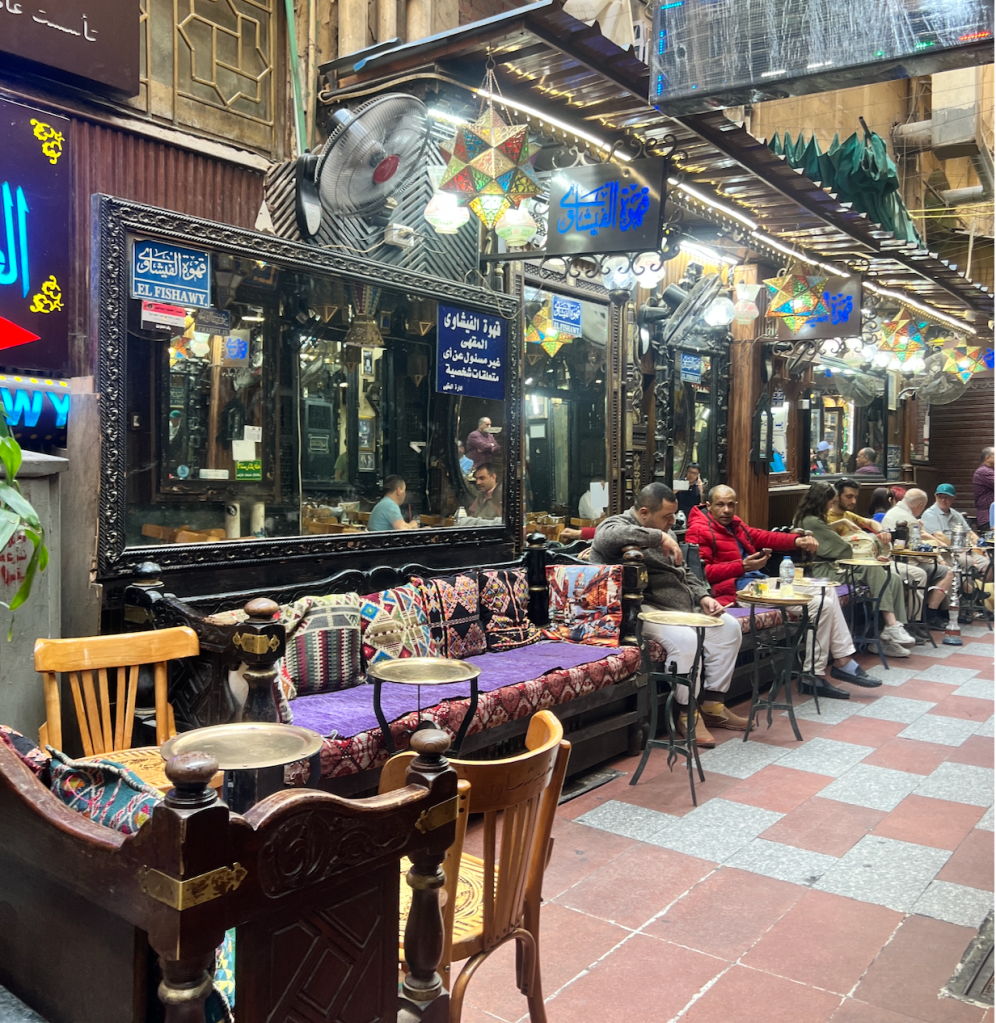
Popularly known as ‘The Café of Mirrors’, and situated right in the heart of the Khan el-Khalili Bazaar, this tea house is a must-visit in Cairo. It is best known for its mint tea and the chance to smoke a hookah, but it is also a historic café that used to be a popular meeting place for artists and intellectuals. In its interior lounge, time seems to stand still amidst the reflections of mirrors with ornate gold frames, whilst at the colourful tables outside you can take a short break from the hustle and bustle of the bazaar whilst you recharge your batteries to continue haggling.
📍 Haret Khan Al-Khalili St. (dentro del bazar)
If you’re looking for a typical restaurant where you can dine with a stunning view of the Pyramids of Giza whilst watching the light show at dusk, 9 Pyramids is one of the best-known options. It’s situated right on the sandy beach and serves traditional Egyptian cuisine. It’s advisable to book in advance, and you can choose between dining at wooden tables or on cushions on the floor in true Bedouin style.
📍 Nazlet El-Semman, Al Haram, Giza
Egipto must-sees in the map📍
<iframe src=»https://www.google.com/maps/d/embed?mid=1Xi51LOpL3oW73ELvGhiBnQEKjv-hZQk&ehbc=2E312F»width=»640″ height=»480″>
That brings our journey through one of the world’s most visited destinations to an end… Have you been there? Did you enjoy the experience?
I look forward to reading your comments! 👀
Until the next post ❤️
xxx
E


Anónimo
genial está aportación de Egipto,muy buenos sitios recomiendas,como siempre. Gracias
Me gustaLe gusta a 1 persona