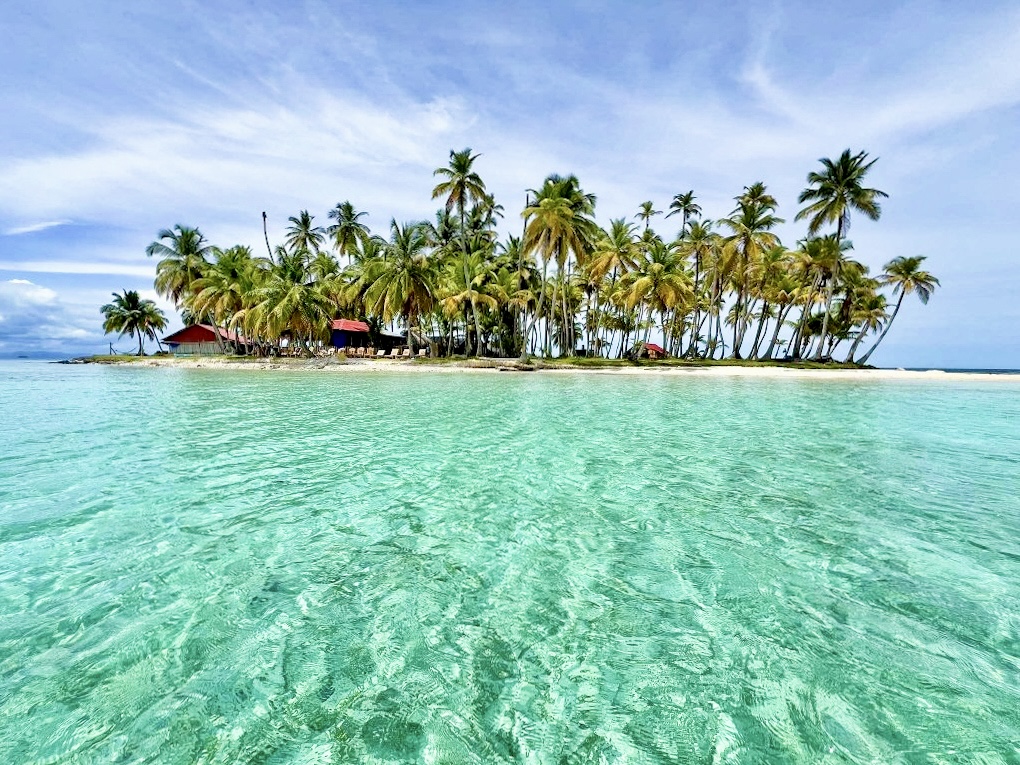
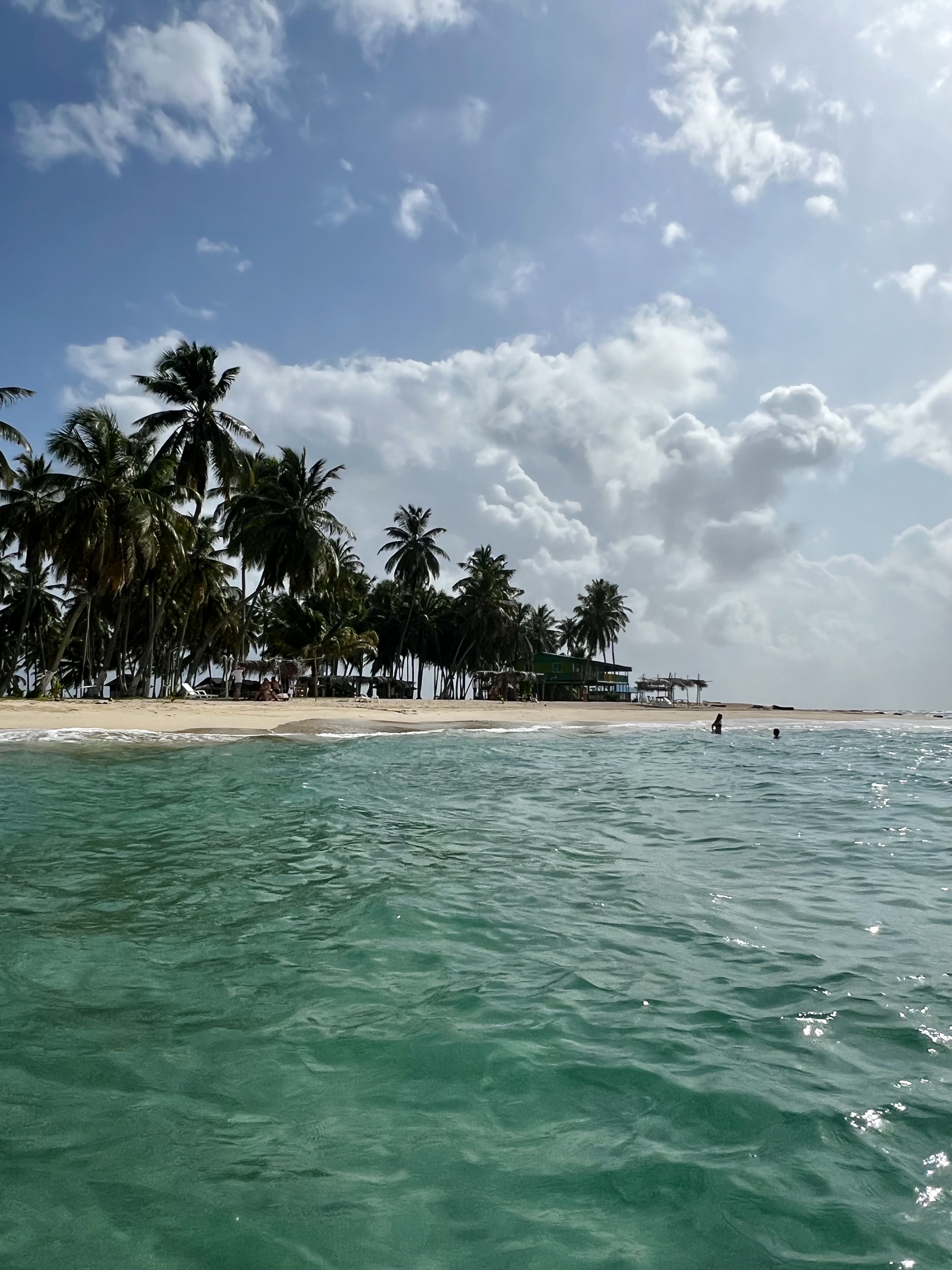
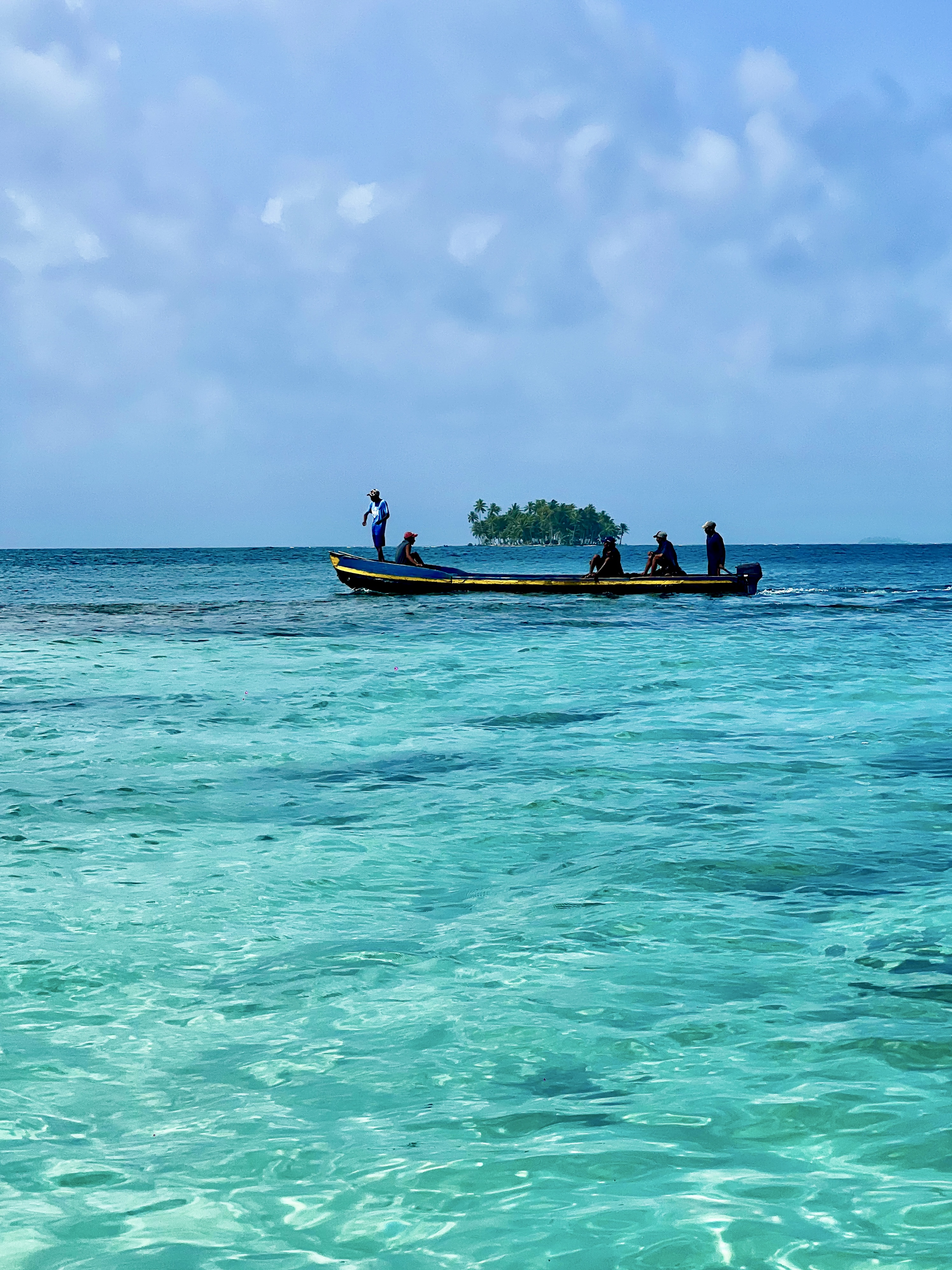
Al imaginar el paraíso, probablemente la imagen que nos venga a la cabeza se parezca bastante a la de cualquiera de las islas que forman parte del Archipiélago de San Blas o Guna Yala en Panamá: un edén en pleno Caribe formado por más de 350 islas (pocas de ellas habitadas) de arenas blancas, aguas cristalinas y cocoteros en la orilla del mar.
Esta zona situada al sur de la Ciudad de Panamá pertenece a la comunidad indígena Guna, levantada en el año 1925 contra el gobierno de Panamá. Esta comunidad constituyó su comarca en 1938 y actualmente es uno de los grupos indígenas con mayor independencia política en América Latina, asegurando su cultura, tradiciones y su estrecho vínculo con la naturaleza.
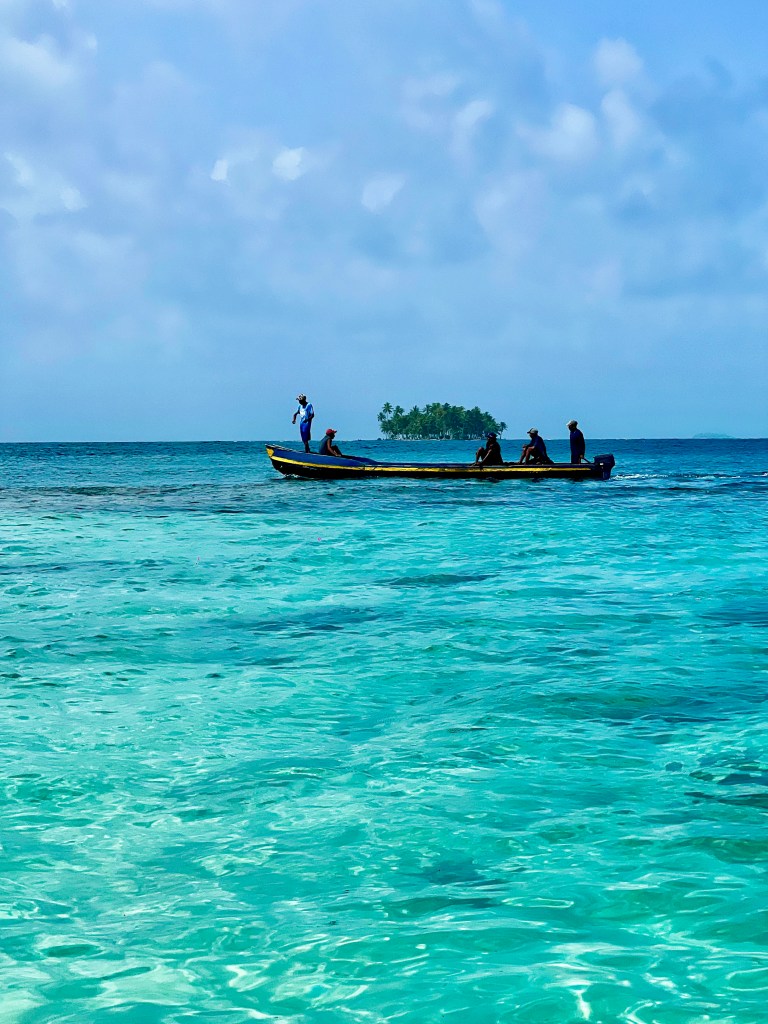
Visitarla, aunque sea un par de días, es un privilegio: es viajar en el tiempo hacia la recuperación de lo esencial y el equilibrio entre el hombre, la tierra y el mar. La comunidad administra de manera autónoma su territorio y cada isla habitada está regentada por una familia Guna volcada en la preservación de la biodiversidad y sostenibilidad de su entorno, abriendo las puertas de manera reservada y controlada a un modelo de turismo responsable en el que los visitantes debemos respetar al máximo sus costumbres locales, cultura, modo de vida y cuidado del medio ambiente.
San Blas es un imprescindible en Panamá por la autenticidad de la experiencia, pero no es para todos los públicos: si buscáis las comodidades de la vida moderna, buena conexión a Internet y ciertos lujos, este no es vuestro sitio. Pero si queréis conectar con la naturaleza de manera salvaje, desconectar de verdad y vivir en pequeña comunidad adaptándoos al estilo de vida Guna, lo recomiendo al 100%. En ese caso, quizás os interese nuestra aventura! En este post he intentado recopilar toda la información que a mí me hubiese gustado tener antes de preparar esta pequeña aventura, espero que os resulte útil! ❤️
¿Qué isla de San Blas elegir?
Puede que lo que más os cueste de todo sea elegir la isla. Google Images no ayuda: son todas a cuál más espectacular y es necesario buscar más argumentos que no sean playas impresionantes y un ambiente estilo Robinson Crusoe. En nuestro caso la elección dependió de factores como lo lejos o cerca que estaba la isla del puerto, el tipo de alojamiento que ofrecía o las posibles actividades que se podían hacer alrededor.
Estas son algunas de las islas más conocidas y sus principales características:
Isla Pelícano (Gorgidub) – LA MÁS ICÓNICA
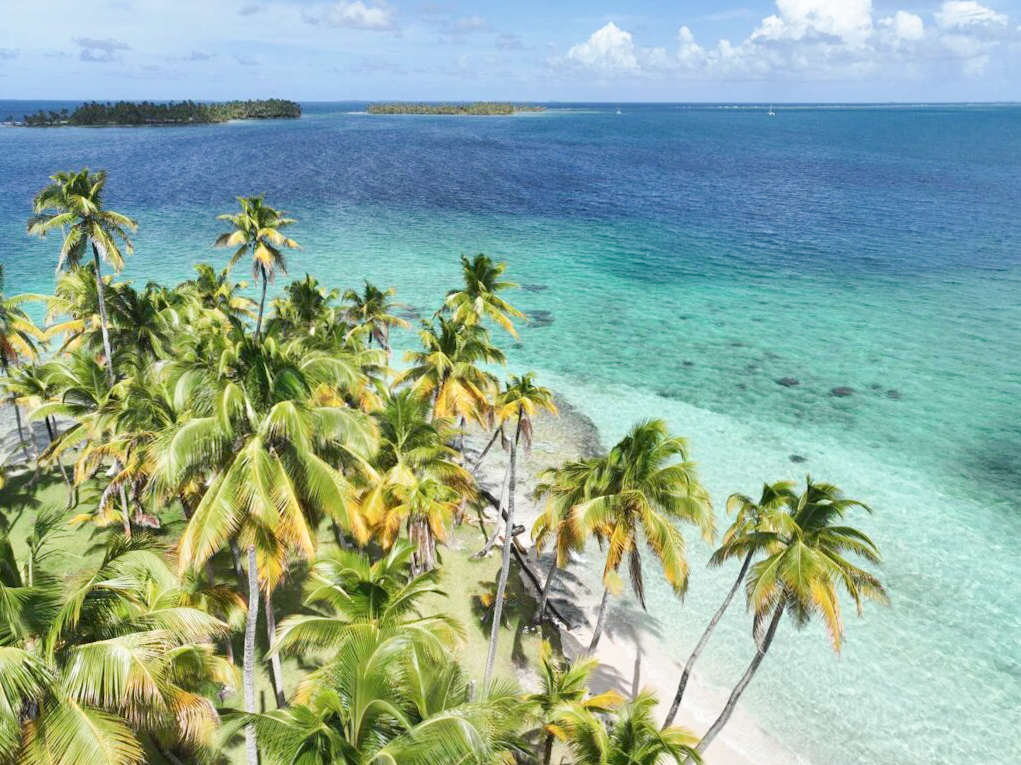
Si sois fans de la serie La Casa de Papel, seguramente os quedaríais embobados al ver el trailer de la 3ª temporada donde Rio y Tokio se esconden del mundo. Pues bien, una de las localizaciones principales fue Isla Pelícano y hay hasta tours temáticos de la serie para visitarla. Es una isla diminuta, con cabañas modestas y bastante turística ya que casi todos los tours pasan por ella, pero también una de las más icónicas de San Blas.
Misdub – LA NUEVA SENSACIÓN
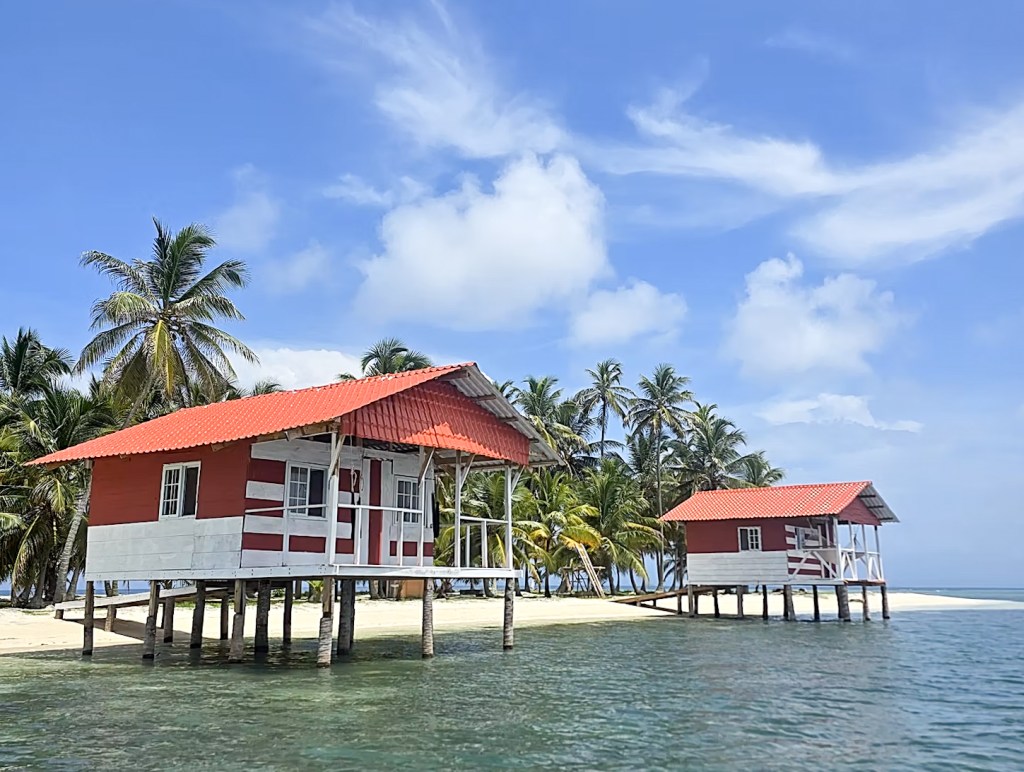
Es una de las islas más recientemente abiertas al turismo y destaca por sus dos características cabañas sobre el mar para aquellos que quieran despertarse por la mañana y disfrutar de las vistas. Aunque también tiene camping, se elige principalmente por el atractivo de estas cabañas y por ser una de las pocas islas con zona exclusiva de descanso en la playa con hamacas bajo las palmeras. Está a unos 50 minutos de trayecto desde el puerto.
Cayos Holandeses – LOS MÁS ESPECTACULARES
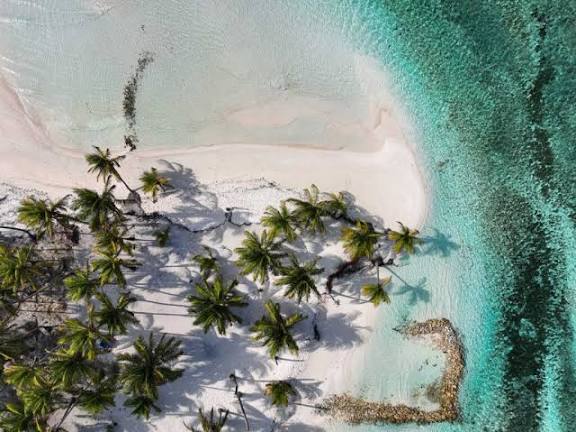
Son un conjunto de islas vírgenes que, para mi gusto, tienen las mejores playas: exóticas, privadas, tranquilas y super fotogénicas, hasta con alguna que otra estrella de mar. Son las más alejadas del turismo masivo al ser las últimas islas del archipiélago y se ubican justo en el límite de la barrera de coral (por lo que son ideales para hacer snorkel). Aquí os vais a sentir totalmente aislados del mundo y con una sensación única de libertad. Hubiesen sido nuestra elección, pero nos echó para atrás que estuvieran tan lejos del puerto (a 1,5h aprox. de trayecto en bote), así como que no tuvieran demasiadas opciones de alojamiento. Si esto no os importa, son perfectas para vivir la experiencia más auténtica de San Blas.
Isla Diablo (Niadub)- LA MÁS COMPLETA
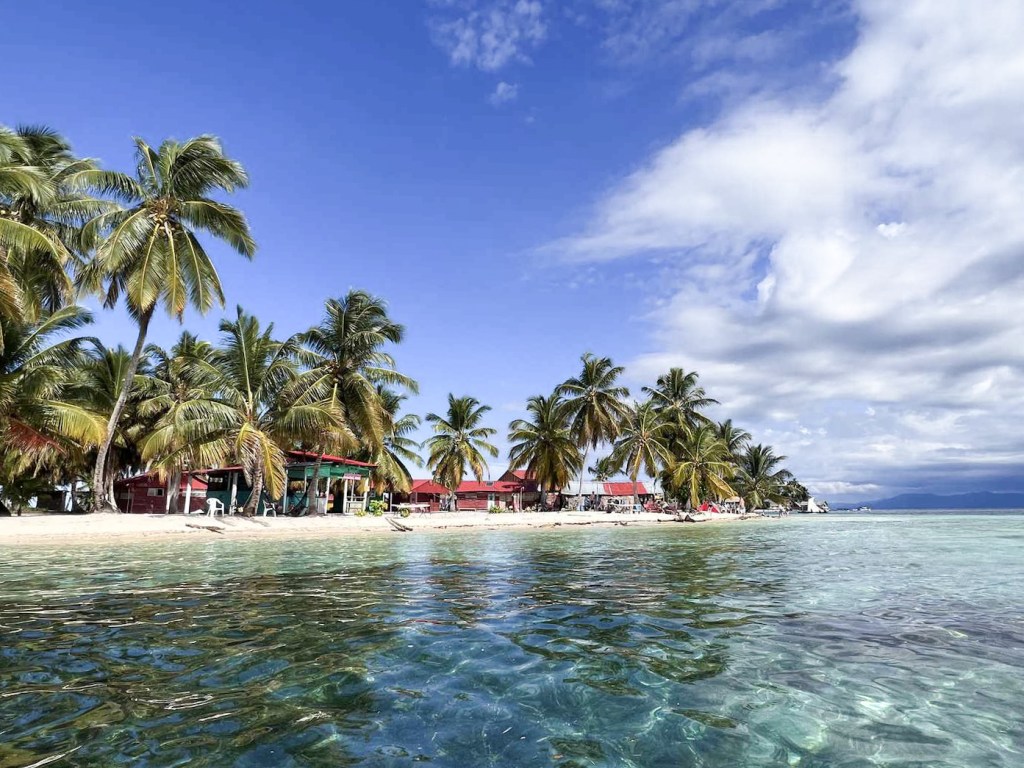
Suele ser una de las islas más elegidas en San Blas: está relativamente cerca del puerto (a unos 30 mins.), suele estar bastante animada, tiene un sistema de gestión rotativo (va pasando por diferentes familias Guna, por lo que la organización es algo más relajada) y además ofrece variedad de opciones de alojamiento. Cruzando a la isla de enfrente (Perro Chico) también se puede disfrutar del snorkel en el barco hundido.
Isla Chichime (Wissudub) – LA MÁS POPULAR
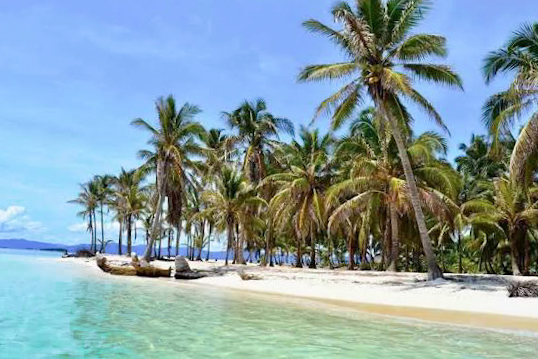
Forma parte de los Cayos Limones y tiene cabañas bastante bien equipadas con baño privado. Puede que sea un algo más cara en comparativa, pero es ideal para familias o personas que buscan una estancia más tranquila y cómoda. Tiene un aire más cosmopolita y vibrante a ser una zona en la que suelen atracar los veleros y catamaranes de los viajeros que eligen recorrer San Blas por su cuenta en barco. También se encuentra cerca de las famosas piscinas naturales.
Isla Iguana (Ariyaladub)– LA MÁS RÚSTICA
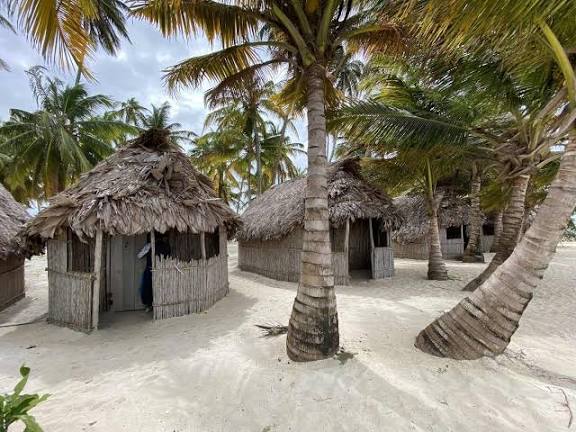
Esta isla popularmente frecuentada por mochileros ha reabierto después de un periodo de cierre total, pero sigue manteniendo su ambiente sencillo, cabañas con techos de paja y suelos de arena y un enfoque más básico y esencial con precios algo más económicos.
Perro Chico: «nuestra islita en San Blas»
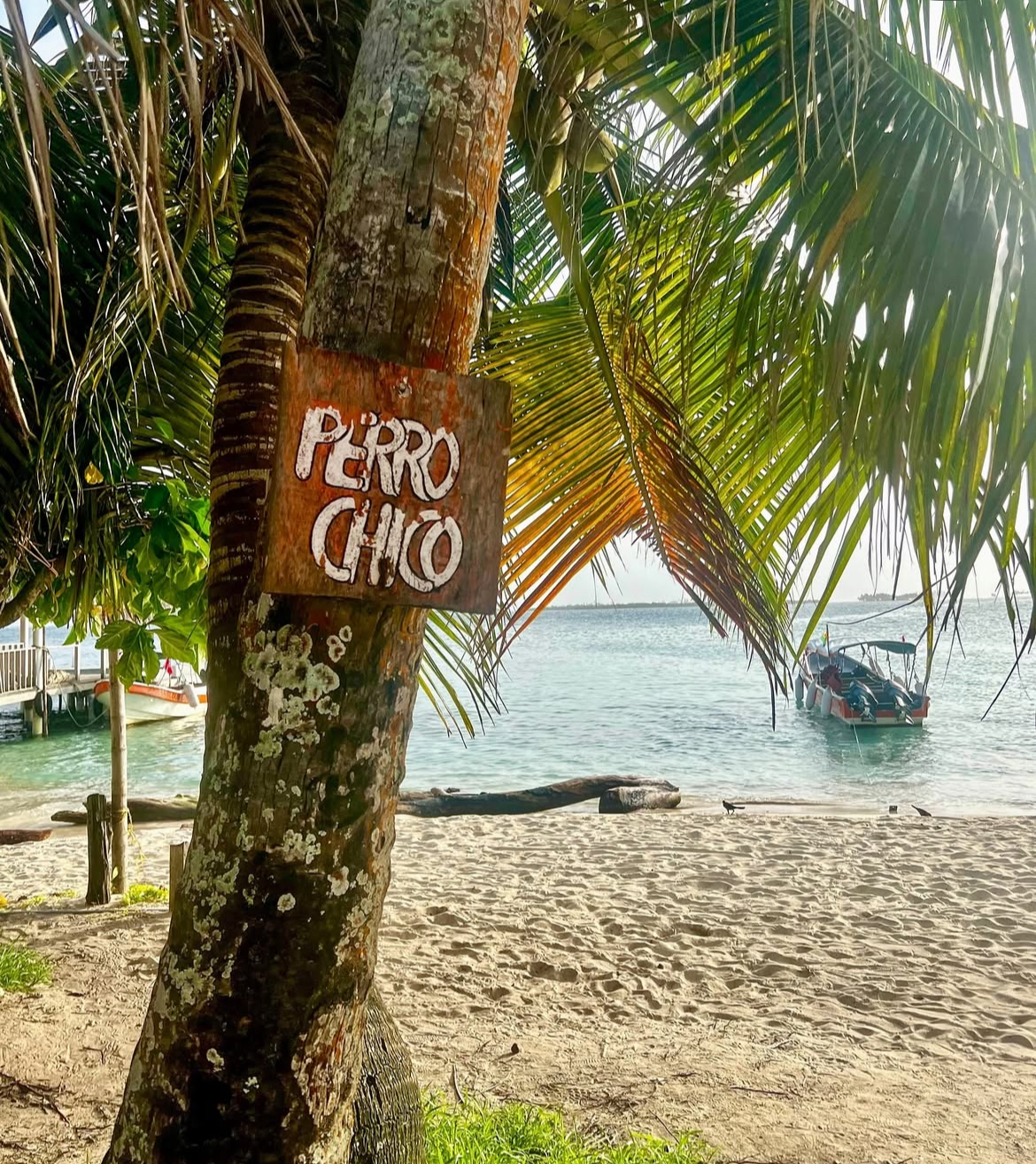
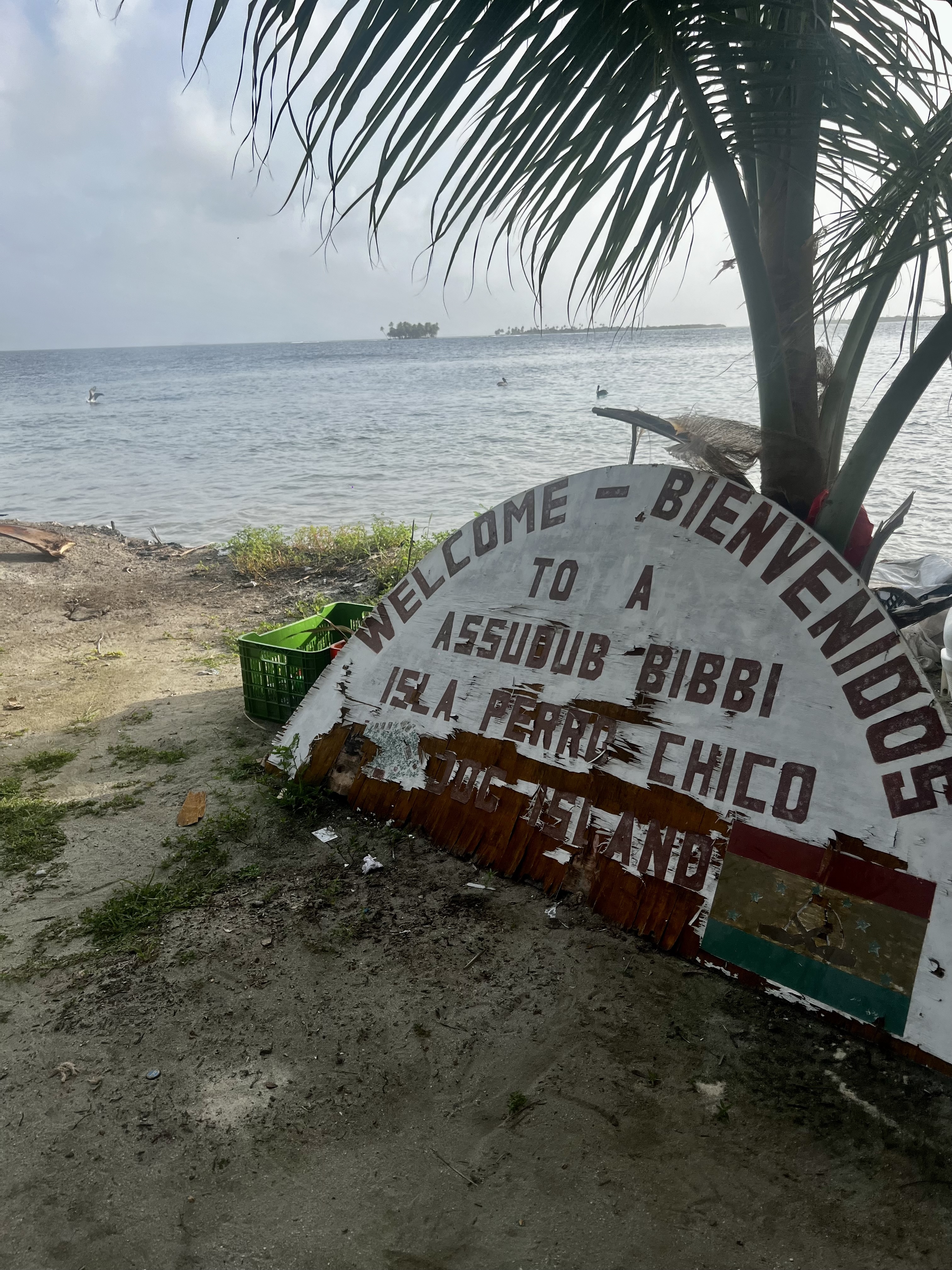
Tras darle muchas vueltas, finalmente decidimos ir a la isla Perro Chico (Assudub Bibbi). Nos pareció que combinaba bastantes cosas que nos gustaban, era más o menos como Isla Diablo pero encontramos mejores opciones para alojarnos, estaba a una distancia intermedia del puerto y por lo que leímos sobre sus bares/restaurantes, nos gustó un poco más.
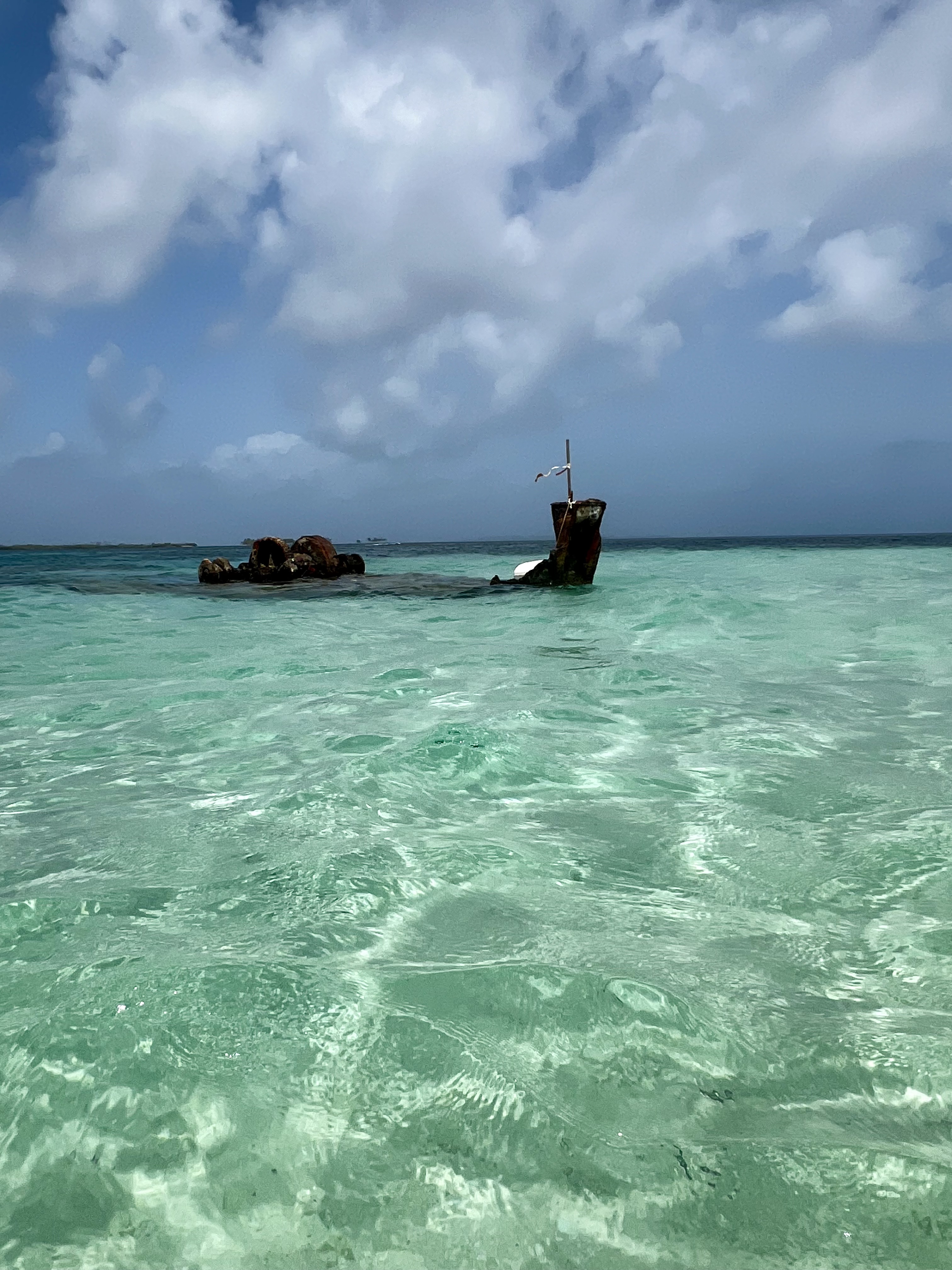
En cuanto a actividades, Perro Chico estaba rodeada por coral (tenía un gran arrecife que la unía con la vecina Isla Diablo), pero sobre todo su gran atractivo era el famoso barco hundido a muy pocos metros de la orilla, ideal para hacer un poco de snorkel. Además, había posibilidad de visitar las piscinas naturales (estaban bastante cerca de la isla), aunque nosotros no lo hicimos.
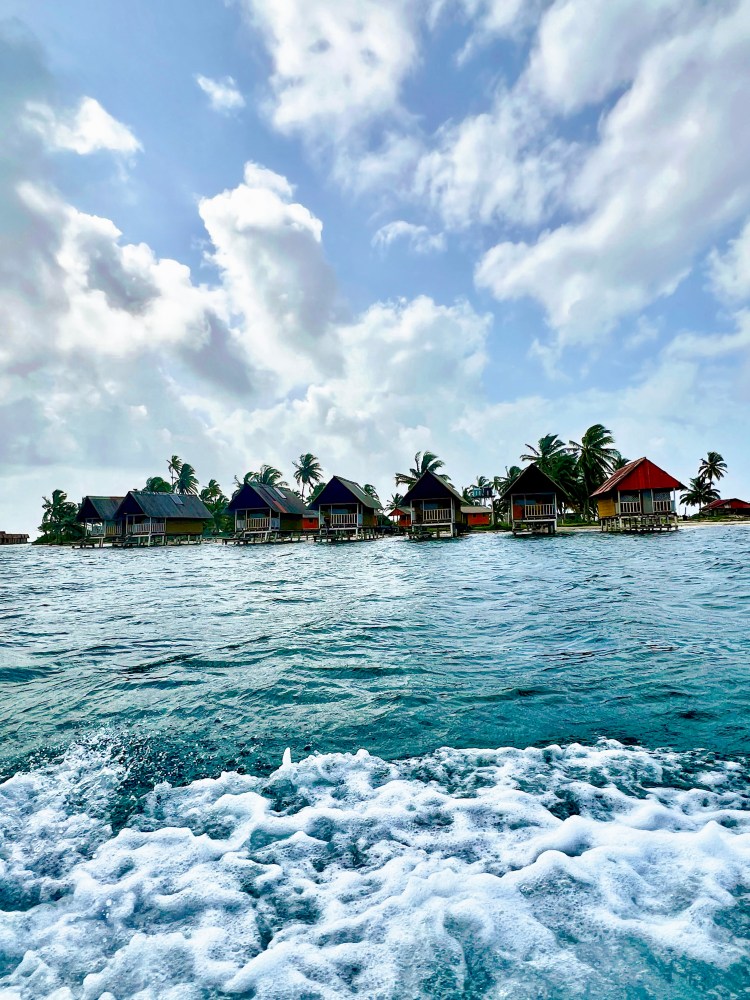
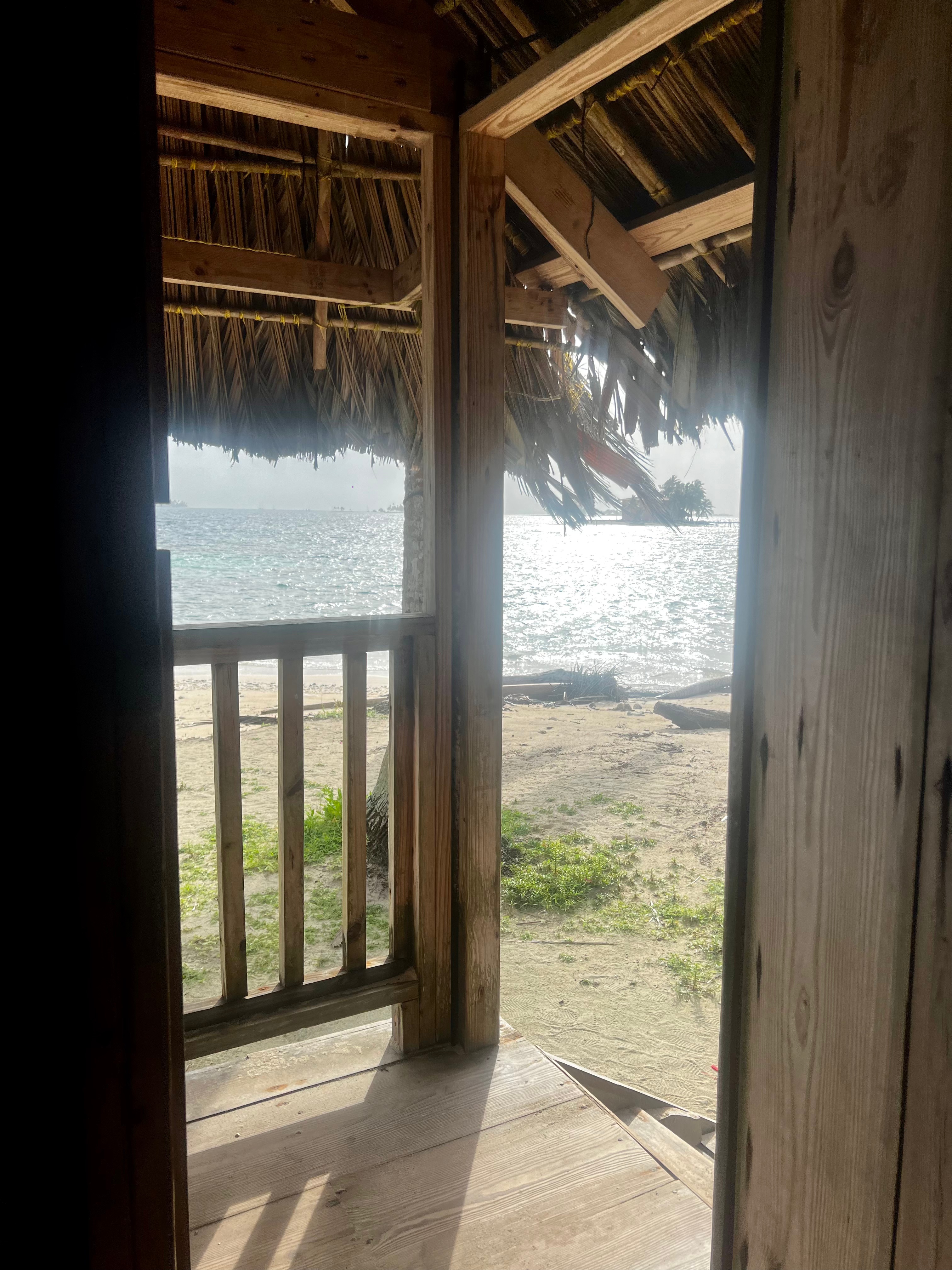
El alojamiento también sumó puntos, nos alojamos en una cabaña de madera con baño privado frente al mar y nos encantó: estaba super limpia, las camas eran muy cómodas, las vistas espectaculares y hasta teníamos enchufe y agua caliente en la ducha… perfecta para disfrutar de la noche que pasamos allí sin tener que preocuparnos por nada.
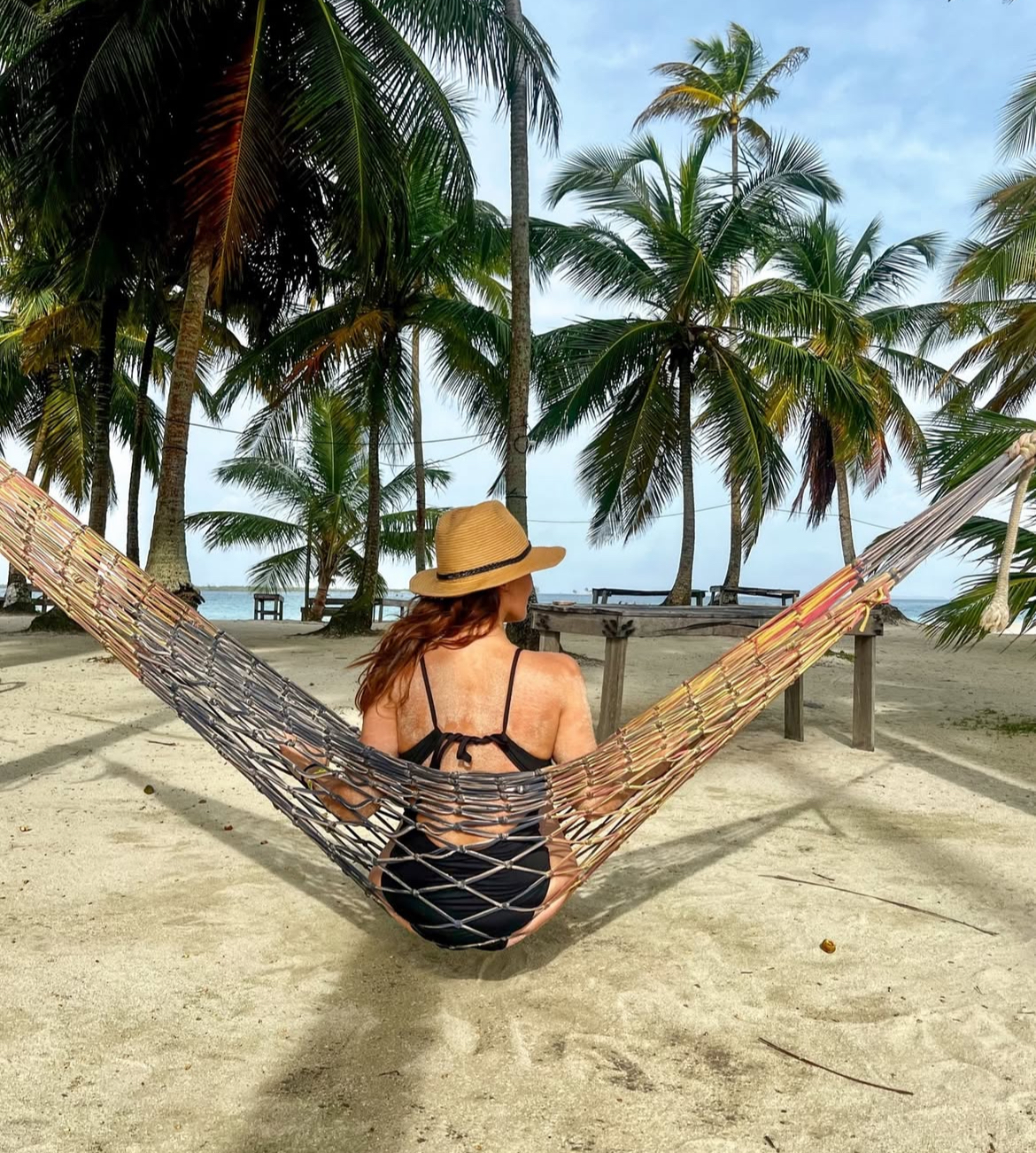
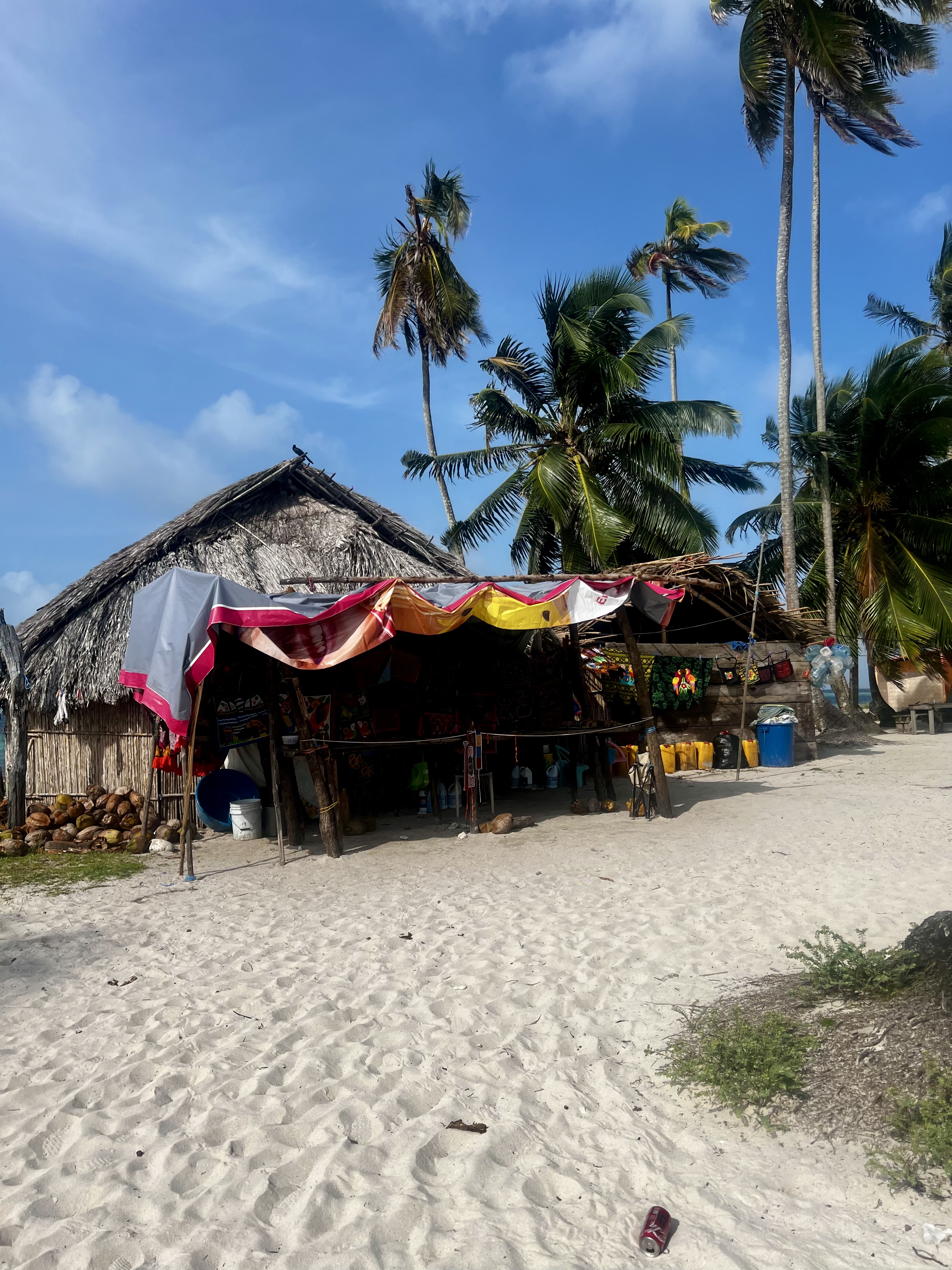
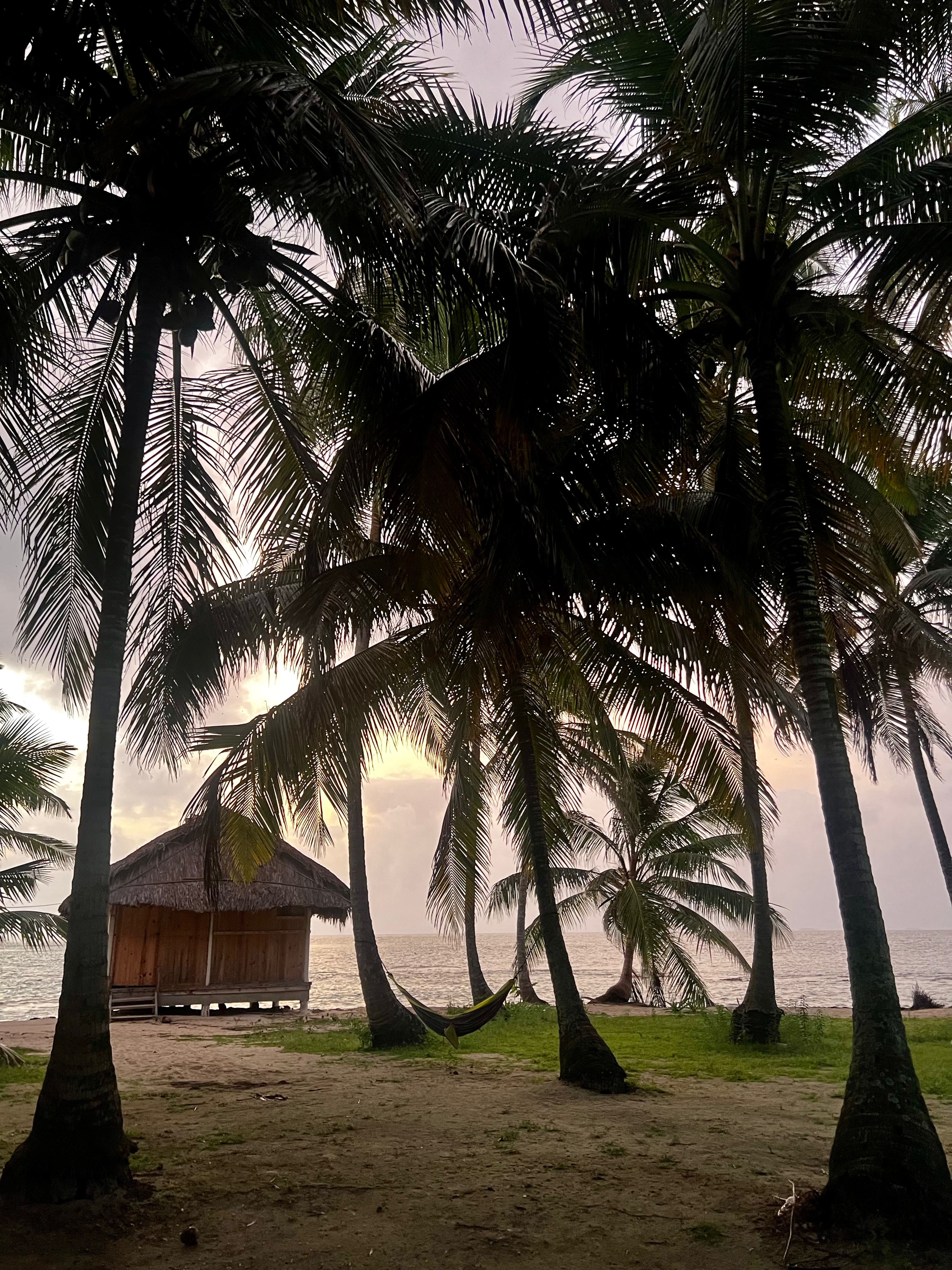
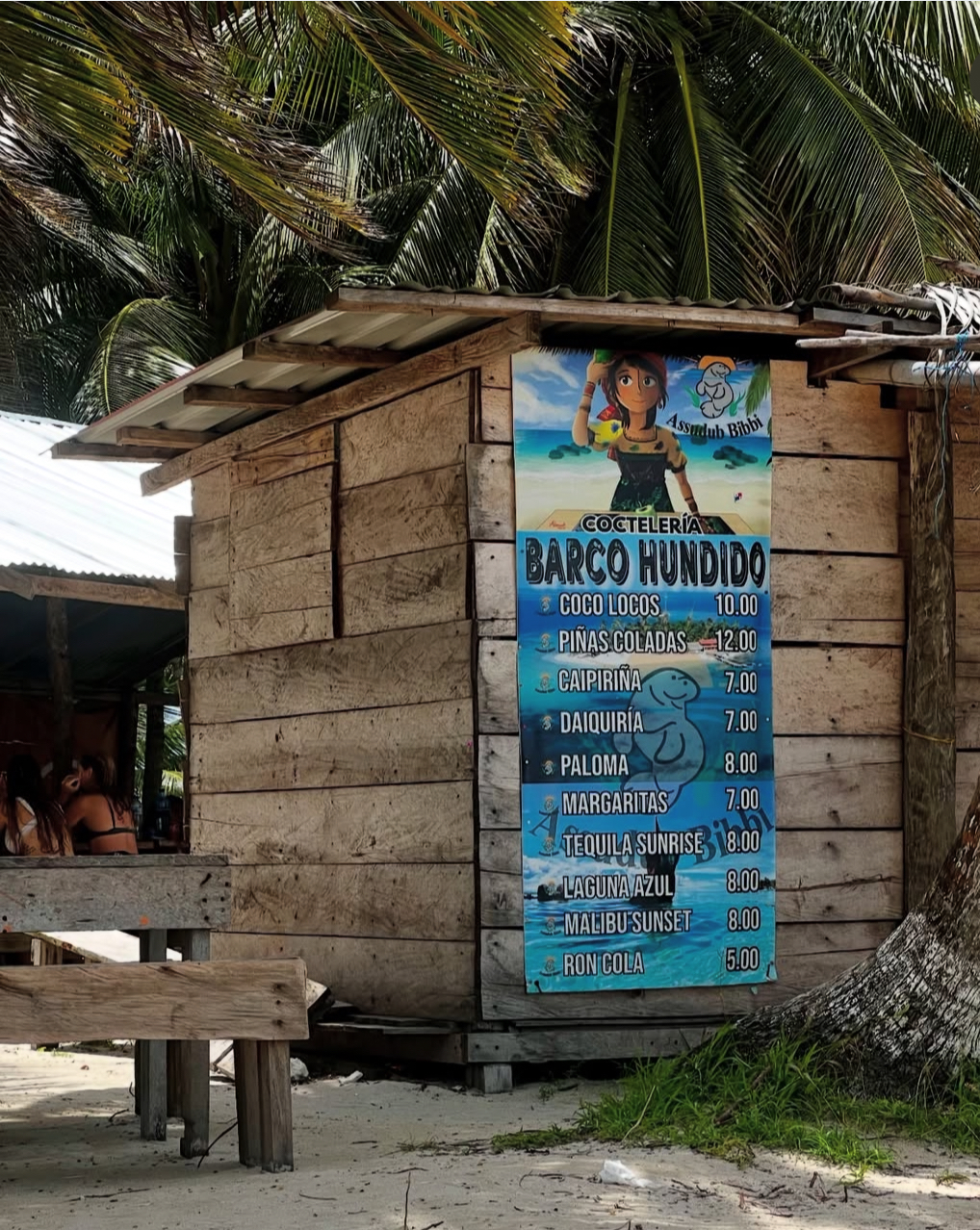
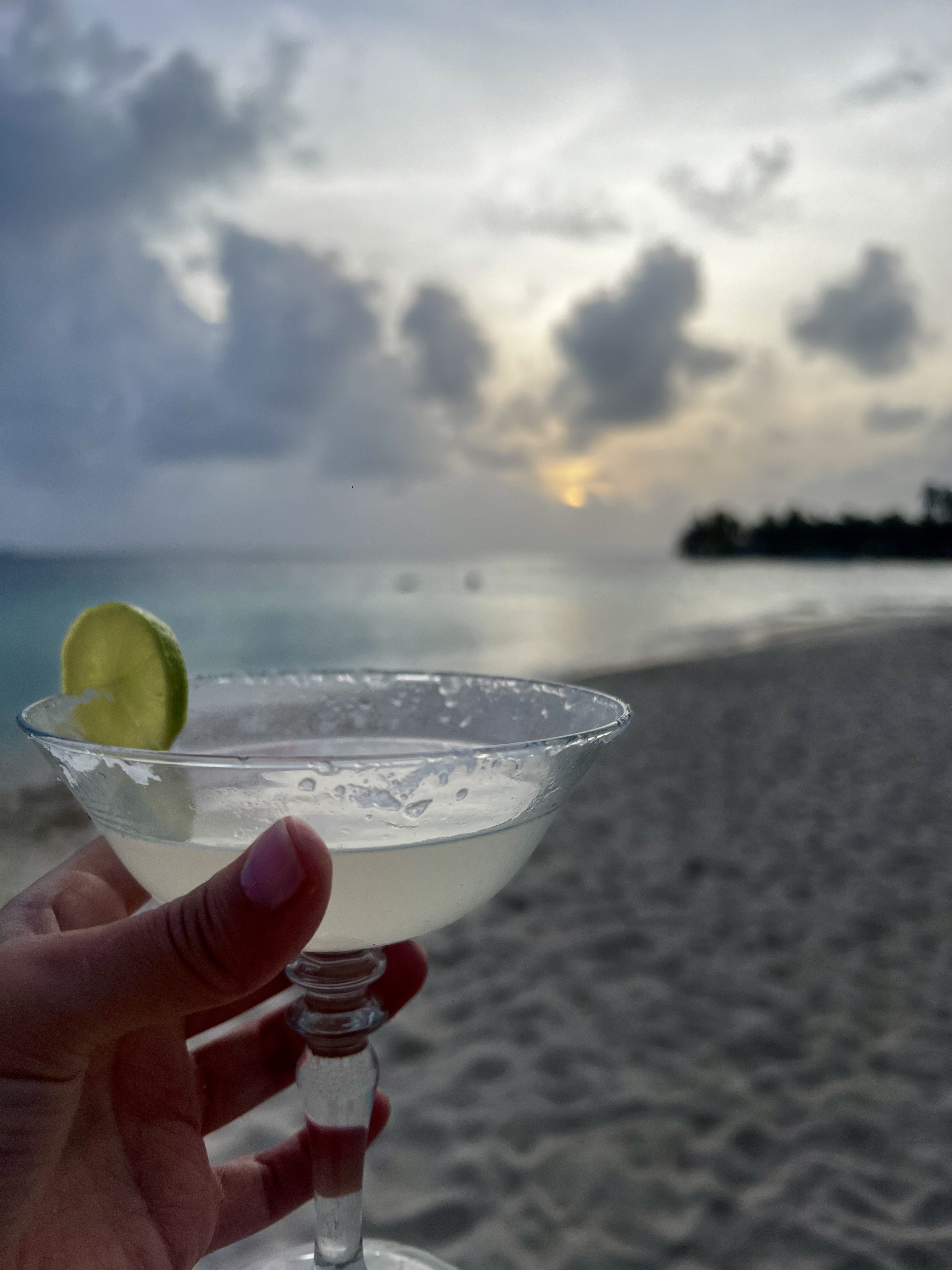
Otra de las cosas que miramos fue el tamaño: la isla era lo suficientemente pequeña como para sentirte perdido en el mundo, pero tenía varias zonas diferenciadas, hamacas colgadas de las palmeras, podías hacer pequeñas caminatas para descubrir sus diferentes playas… además tenía un puestecito de artesanía Guna con molas (paneles coloridos de tela cosidos a mano), objetos tallados en madera, pinturas… y un sencillo bar-coctelería muy pintoresco que resultó perfecto para disfrutar de la puesta de sol con un coctel o cerveza en la mano.
El plus fue que la familia Guna que llevaba la isla era encantadora y la comida casera que preparaban estaba deliciosa.
Sobre el tema turístico, Perro Chico forma parte de las actividades/ rutas de las pasadías por el gancho del barco hundido, por lo que de vez en cuando llegaba alguna lancha con pequeños grupos de turistas que estaban un poco en la isla, hacían snorkel alrededor del barco y después se iban a su siguiente destino. Si buscáis total tranquilidad y estar más aislados mejor mirad los Cayos Holandeses. A nosotros no nos molestó porque había muchas otras zonas tranquilas donde relajarse y a pesar de las visitas nunca tuvimos la sensación de masificación.
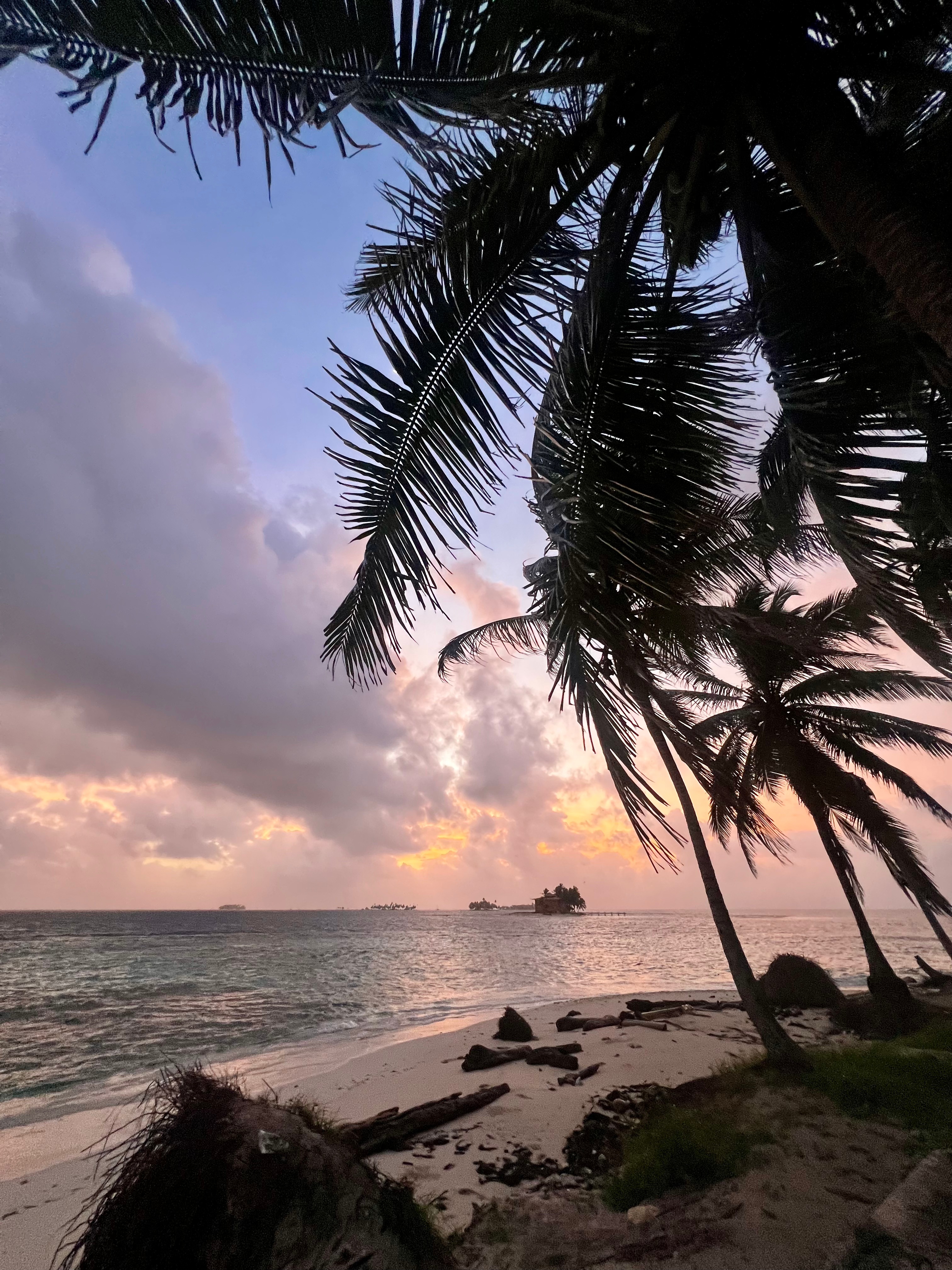
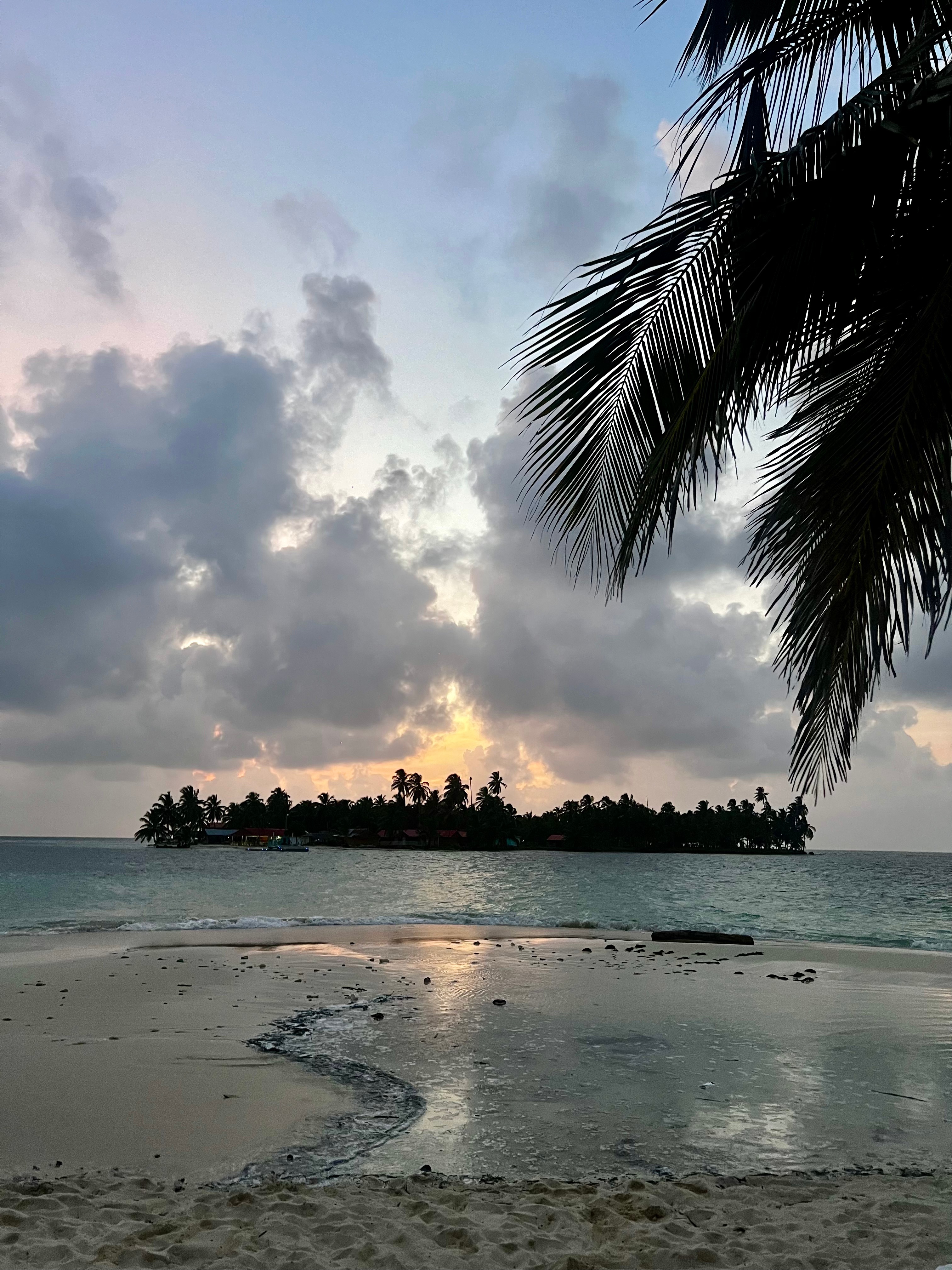
Nuestros momentos preferidos en la isla fueron el atardecer (con un cielo rosa impresionante e Isla Diablo al fondo) y especialmente la mañana del segundo día en la que pudimos disfrutar de aquella increíble playa para nosotros solos… quedarán para siempre en la memoria 🙏🏻
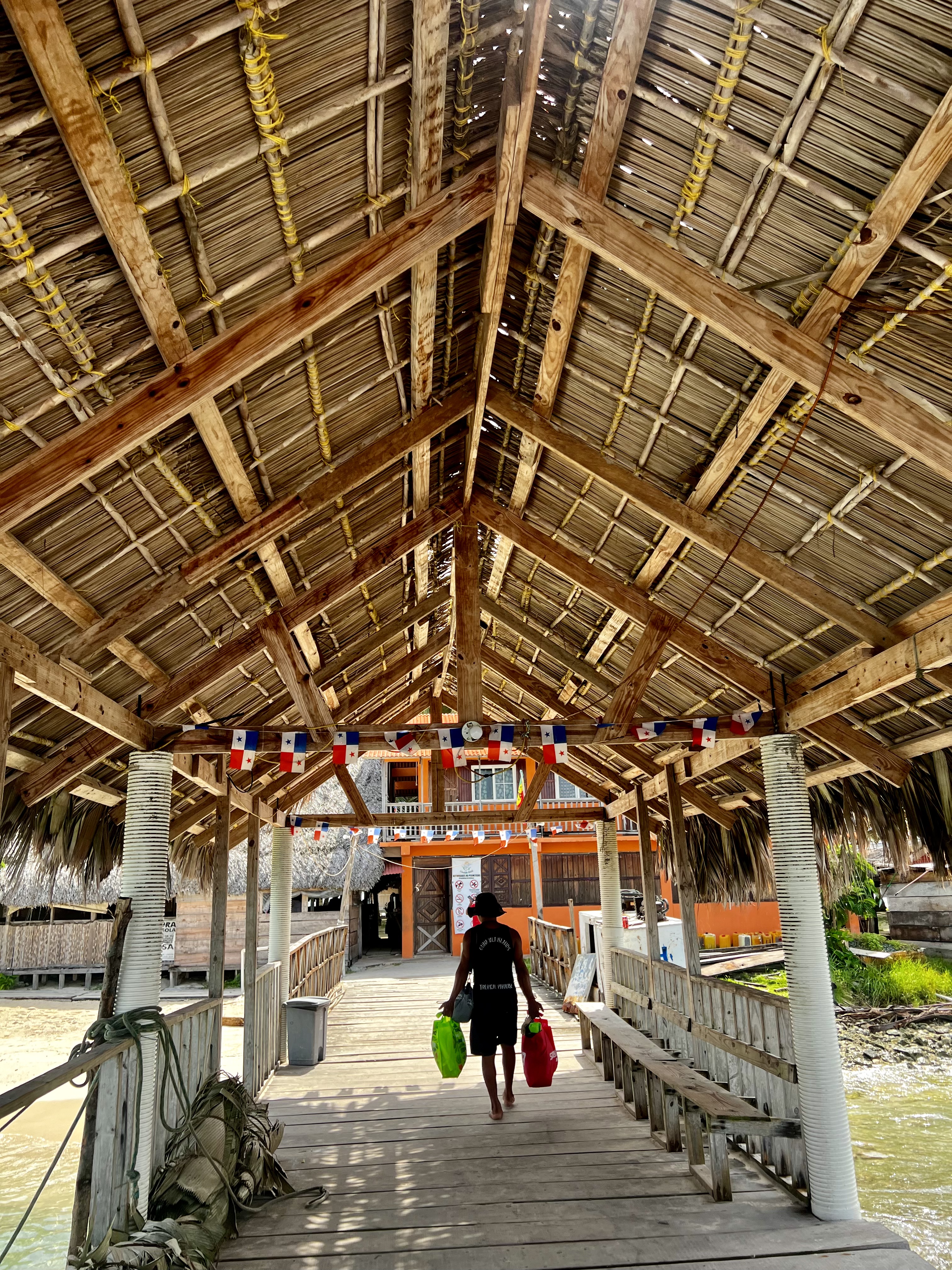


¿Cómo llegar a San Blas?
Si queréis ir por libre, hay diferentes maneras de llegar…
✈️ En avión: es una opción cara, pero la más rápida. Desde el aeropuerto de Albrook hay vuelos chárter hasta El Porvenir y Air Panamá tiene vuelos hasta Playón Chico (desde allí hay que coger una lancha o un barco hasta Puerto Cartí y luego la lancha colectiva)
🚌 En autobús + 🚕 taxi: hay un autobús desde la estación de Albrook hasta El Llano de la empresa Sindicato Unido Darién (el trayecto dura 1:45h). Una vez en El Llano, tendréis que coger un taxi hasta el puerto de Cartí que se encuentra a unos 40 kms. (tarda un poco menos de 1h en llegar) y finalmente la lancha colectiva.
🚘 En coche: desde Panamá hasta el Puerto de Cartí hay un trayecto de unas 2,5-3h (ojo! la carretera no está asfaltada, tendréis que llevar un coche con buena suspensión) y después hay que coger la lancha colectiva.
🚤 Las lanchas colectivas desde el puerto de Niga Kantule suelen salir alrededor de las 8a.m. y regresar alrededor de las 4p.m.El trayecto puede variar entre 30 y 90 mins. en función de la isla. Existe la opción de reservar este trayecto con empresas como Civitatis y similares. El precio por persona puede variar entre los 20-60$ en según la isla y el operador.

A nosotros ir por libre nos pareció que era mucho lío y decidimos contratar todo en una empresa local. Muchas empresas en Panamá ofrecen el servicio completo, con opción a elegir entre:
- «Pasadías» o tours de un día que incluyen recogida en el alojamiento de Panamá, traslado a las islas, diferentes actividades en San Blas, comidas y traslado de vuelta.
- «Estadías»: que además del transporte y la comida permiten pasar una o varias noches en la isla de San Blas que elijas, dando la posibilidad de quedarte tranquilamente en ella o hacer actividades alrededor
Nos decidimos por la estadía de 2 días y 1 noche en la isla de Perro Chico con la compañía San Blas Beach Trips, que consistía en:
- Recogida en nuestro hotel muy temprano (5 a.m.)
- Transporte en 4×4 compartido de ida y vuelta (unas 3 h.)
- Tasa del puerto de Cartí
- Traslado en lancha colectiva hasta la isla
- 1 noche en cabaña con baño frente al mar
- Comida y cena día 1, desayuno y comida día 2
- Guía local
- No incluía bebidas/snacks ni la entrada al área reservada indígena (20$ por persona)
La empresa San Blas Beach Trips nos pareció muy profesional y la recomendamos al 100%, la reserva la hicimos desde España y la comunicación con ellos fue muy sencilla a través de whatssapp. El precio total fueron 300€ para 2 personas y el pago fue un 50% por adelantado vía transferencia bancaria (en caso de hacer pago online era a través de un link de pago había un recargo del 7% por transacción online) y el otro 50% en efectivo al llegar a San Blas.
El check in en la cabaña era a las 8:30 a.m. nada más llegar y el check out a las 15pm del día siguiente, por lo que nos dio tiempo a disfrutar bastante de la isla. También hacen excursiones por si quieres apuntarte (a las piscinas naturales, para hacer snorkel…) pero si prefieres quedarte allí te dejan gafas de snorkel. Nosotros decidimos quedarnos y exprimir al máximo el tiempo en Perro Chico para relajarnos a tope y desconectar.
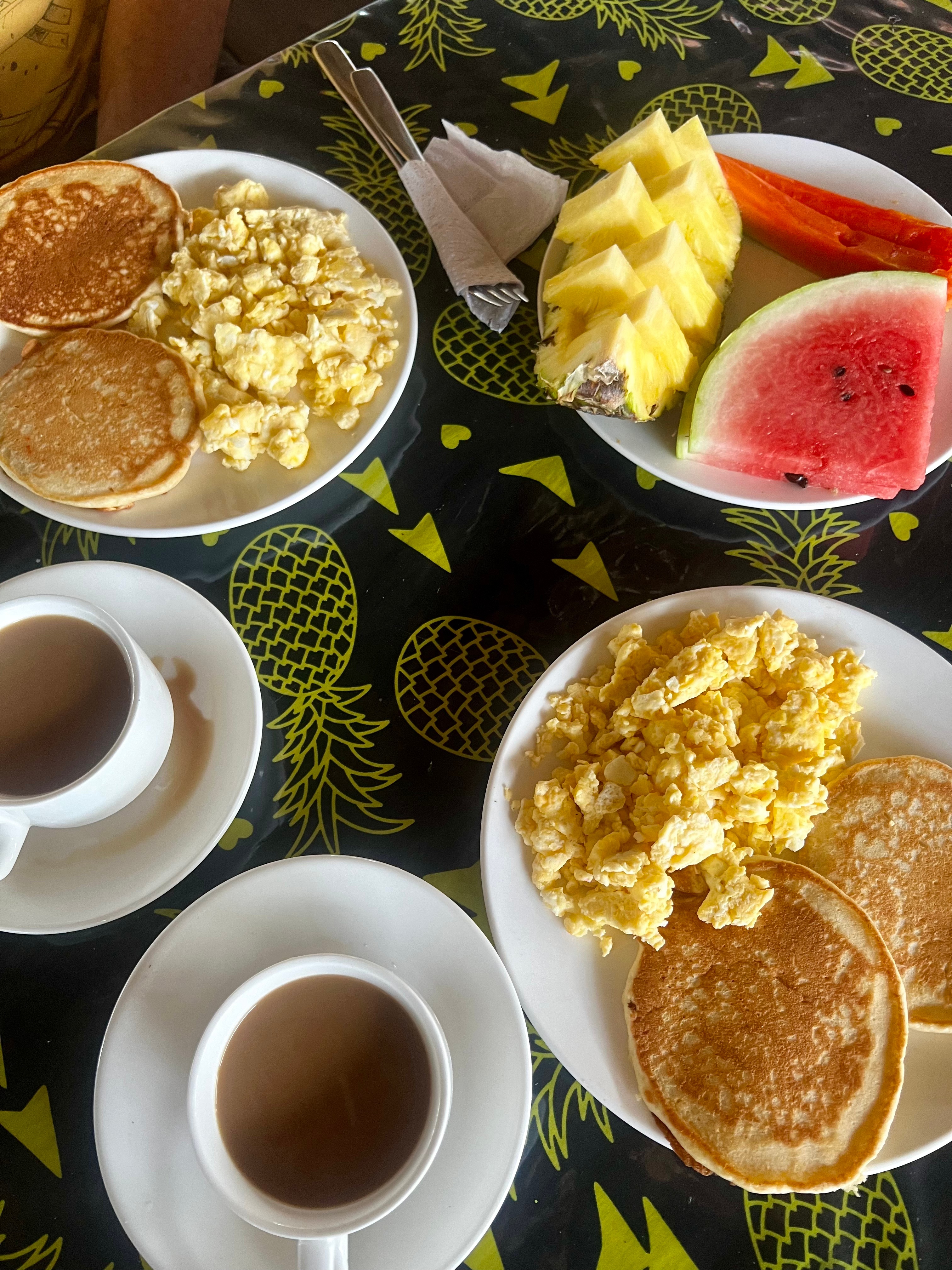
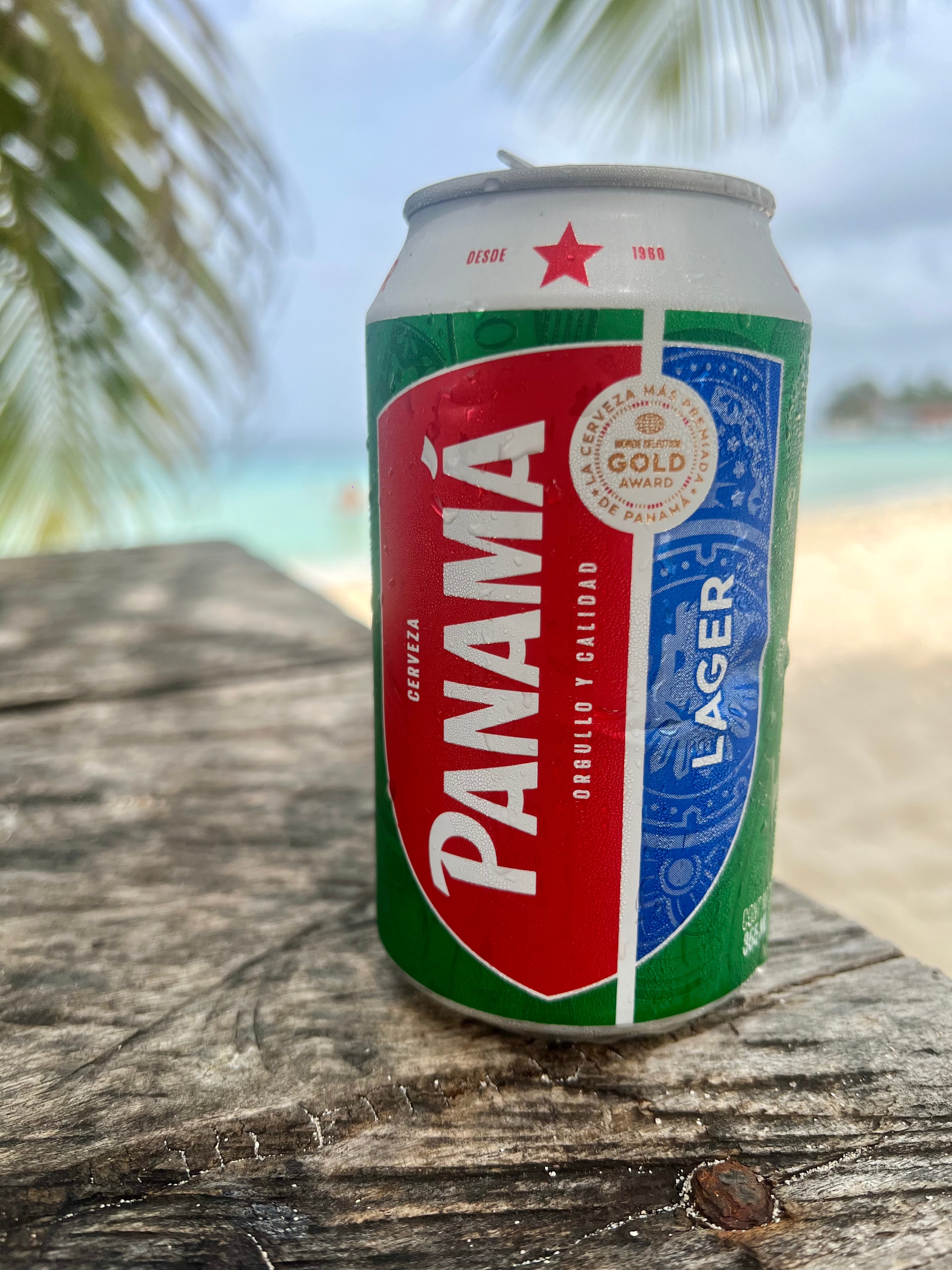
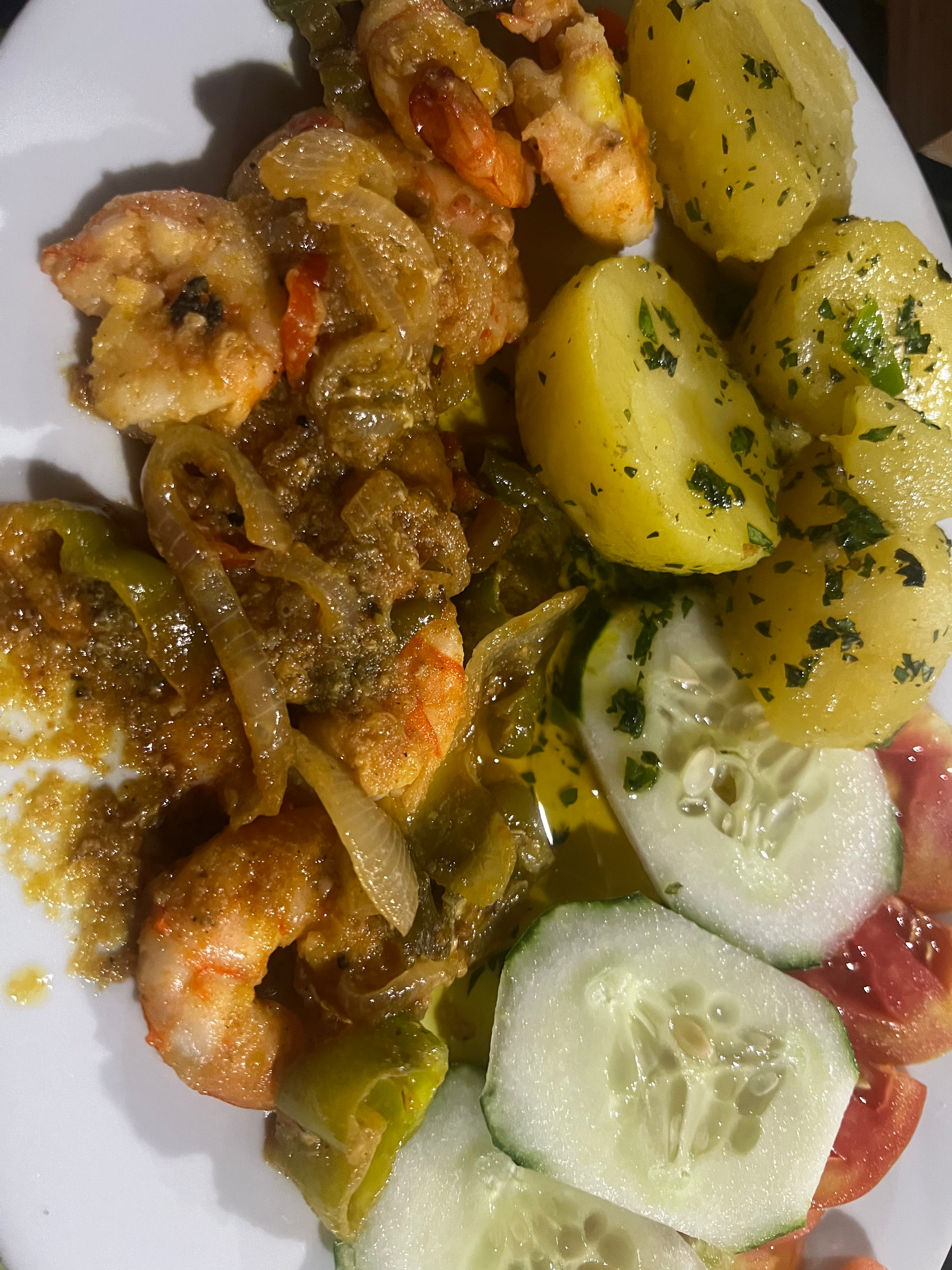
Si tenéis curiosidad por el tema comida/bebida, os puedo decir que fue mejor de lo que imaginábamos. Es verdad que a las horas de las comidas los comedores se llenan, pero es fácil conseguir mesa (al menos nosotros que solo éramos 2 personas). Las comidas eran típicas Guna: pescados/ mariscos del día, pollo o camarones acompañados de arroz con coco y patacones, y los desayunos eran sencillos pero muy completos (fruta, tortilla, tortitas recién hechas…). Las bebidas no están incluidas, creo recordar que el precio de la cerveza local rondaba los 3$ y el agua entre 1-2$.
Info útil
- Una de las cosas que más nos llamó la atención fue que para entrar a la comarca Guna Yala era requisito indispensable llevar el pasaporte original, ya que se trataba de una comarca autónoma e independiente de Panamá. Si no lo lleváis (o lleváis una fotocopia) no os van a dejar entrar en San Blas. Luego empezamos a indagar y parecía que pudiera haber otras razones (cuestiones de trata de personas y cosas así…) 🤔 pero no sabemos cómo de fiables eran y la verdad es que en ningún momento sentimos inseguridad sino todo lo contrario.
- En el trayecto desde la ciudad de Panamá hacia el puerto el conductor suele hacer una parada para desayunar o ir al baño, y en el puerto de Niga Kantule desde donde salen las lanchas colectivas hacia las islas hay también cafetería y tienda para comprar lo que necesitéis.
- Recomiendan llevar a las islas dinero en efectivo (evidentemente, no hay cajeros ni suelen admitir pago con tarjeta), agua potable (aunque por ejemplo en nuestra isla tenían una pequeña tienda en el bar para comprar bebidas, baterías externas (aunque nosotros tuvimos suerte y teníamos enchufe en la cabaña), protector solar y especialmente repelente de mosquitos. No olvidéis tampoco mostrar respeto a las tradiciones locales del pueblo Guna.
Qué buenos recuerdos me trae nuestra pequeña aventura en San Blas, ojalá poder volver algún día… ¿habéis estado? ¿qué isla os gusta más?
Os leo en comentarios! 👀
Hasta el próximo post ❤️
xxx
E

When we imagine paradise, the image that comes to mind will surely resemble any of the islands that make up the San Blas or Guna Yala Archipelago in Panama: a Caribbean Eden consisting of more than 350 islands (few of them inhabited) with white sands, crystal-clear waters and coconut trees on the seashore.
This area, located south of Panama City, belongs to the Guna indigenous community, which rose up against the Panamanian government in 1925. This community established its comarca (region) in 1938 and is currently one of the most politically independent indigenous groups in Latin America, safeguarding its culture, traditions and close connection with nature.
Visiting it, even for just a couple of days, is a privilege: it is like travelling back in time to rediscover what is essential and the balance between man, the land and the sea. The community autonomously administers its territory, and each inhabited island is run by a Guna family dedicated to preserving the biodiversity and sustainability of their environment, opening their doors in a reserved and controlled manner to a model of responsible tourism in which visitors must respect their local customs, culture, way of life and care for the environment to the utmost.
San Blas is a must-see in Panama for the authenticity of the experience, but it is not for everyone: if you are looking for the comforts of modern life, Internet connection and luxury, this is not the place for you. But if you want to connect with nature in a wild way, truly disconnect and live in a small community adapting to the Guna lifestyle, I recommend it 100%. In that case, you might be interested in our adventure! In this post, I’ve tried to compile all the information I would have liked to have had before planning this little getaway. I hope you find it useful! ❤️
Which San Blas island to choose?
Perhaps the hardest part will be choosing the island. Google Images doesn’t help: they all look spectacular, so you need to look for more reasons than just stunning beaches and a Robinson Crusoe-style atmosphere. In our case, the choice depended on factors such as how far or close the island was to the port, the type of accommodation it offered, and the possible activities available in the surrounding area.
These are some of the best known and their main characteristics:
Pelicano Island (Gorgidub) – THE MOST ICONIC
If you are fans of the series Money Heist, you would surely be mesmerised by the trailer for season 3, where Rio and Tokyo hide from the world. Well, one of the main locations was Pelícano Island, and there are even themed tours of the series to visit it. It is a tiny island with modest cabins and quite touristy, as almost all tours pass through it, but it is also one of the most iconic islands in San Blas.
Misdub Island– THE NEW SENSATION
One of the islands most recently opened to tourism, it stands out for its two distinctive cabins overlooking the sea, perfect for those who want to wake up in the morning and enjoy the view. Although it also has a campsite, it is mainly chosen for the appeal of these cabins and for being one of the few islands with an exclusive beach area with hammocks under palm trees. It is about a 50-minute journey from the port.
Dutch Keys –THE MOST SPECTACULAR
They are a group of unspoilt islands which, in my opinion, have the best beaches: exotic, private, quiet and super photogenic, even with some starfishes. They are the furthest away from mass tourism as they are the last islands in the archipelago and are located right on the edge of the coral reef (making them ideal for snorkelling). Here you will feel completely isolated from the world and experience a unique sense of freedom. They would have been our choice, but we were put off by the fact that they were so far from the port (about 1.5 hours by boat) and that there weren’t many accommodation options. If this doesn’t bother you, they are perfect for the most authentic San Blas experience.
Diablo Island (Niadub) – THE MOST COMPLETE
It is usually one of the most popular islands in San Blas: it is relatively close to the port (about 30 minutes away), it is usually quite lively, it has a rotating management system (it is run by different Guna families, so the organisation is somewhat more relaxed) and it also offers a variety of accommodation options. Crossing over to the island opposite (Perro Chico), you can also enjoy snorkelling on the sunken ship.
Chichime Island (Wissudub)- THE MOST POPULAR
It is part of the Cayos Limones and has well-equipped cabins with private bathrooms. It may be a little more expensive in comparison, but it is ideal for families or people looking for a quieter and more comfortable stay. It also has a more cosmopolitan and vibrant feel, as it is an area where sailboats and catamarans often dock, belonging to travellers who choose to explore San Blas on their own by boat. It is also close to the famous natural pools.
Iguana Island (Ariyaladub) – THE MOST RUSTIC
This island, popular with backpackers, has reopened after a period of total closure, but it still retains its simple atmosphere, with thatched-roof huts and sandy floors, and a more basic and essential approach with slightly lower prices.
Perro Chico: «our little island in San Blas»
After giving it a lot of thought, we finally decided to go to Perro Chico Island (Assudub Bibbi). We felt that it combined a lot of things we liked. It was more or less like Diablo Island, but we found better accommodation options, it was a moderate distance from the port, and from what we read about its bars and restaurants, we liked it a little more.
In terms of activities, Perro Chico was surrounded by coral (it had a large reef connecting it to neighbouring Isla Diablo), but its main attraction was the famous sunken ship just a few metres from the shore, ideal for snorkelling. There was also the possibility of visiting the natural pools (they were quite close to the island), although we didn’t do so.
The accommodation also scored points. We stayed in a wooden cabin with a private bathroom facing the sea and loved it: it was super clean, the beds were very comfortable, the views were spectacular, and we even had a plug socket and hot water in the shower… perfect for enjoying the night we spent there without having to worry about a thing.
Another thing we looked at was size: the island was small enough to make you feel lost in the world, but it had several distinct areas, hammocks hanging from palm trees, and you could take short walks to discover its different beaches… It also had a small Guna craft stall with molas (colourful hand-sewn fabric panels), wood carvings, paintings… and a simple, picturesque cocktail bar that was perfect for enjoying the sunset with a cocktail or beer in hand.
The added bonus was that the Guna family who ran the island were charming and the homemade food they prepared was delicious.
Tourism wise, Perro Chico is part of the activities/routes for day trips to the sunken ship, so from time to time a boat would arrive with small groups of tourists who would spend a little time on the island, snorkel around the ship and then leave for their next destination. If you are looking for total tranquillity and to be more isolated, it is better to check out the Dutch Cayos. It didn’t bother us because there were many other quiet areas to relax in, and despite the visitors, we never felt crowded.
Our favourite moments on the island were the sunset (with a stunning pink sky and Isla Diablo in the background) and especially the morning of the second day when we were able to enjoy that incredible beach all to ourselves… they will remain in our memory forever 🙏
How to get to San Blas?
If you want to go on your own, there are different ways to get there…
✈️ By plane: It is an expensive option, but the fastest. From Albrook Airport there are charter flights to El Porvenir, and Air Panama has flights to Playón Chico (from there you have to take a boat or ship to Puerto Cartí and then the collective boat)
🚌 By bus + 🚕 taxi: There is a bus from Albrook station to El Llano run by the Sindicato Unido Darién company (the journey takes 1 hour and 45 minutes). Once in El Llano, you will need to take a taxi to the port of Cartí, which is about 40 km away (it takes just under an hour to get there) and finally the shared boat.
🚘 By car: From Panama to Puerto de Cartí, it takes about 2.5-3 hours (note: the road is not paved, so you will need a car with good suspension), and then you have to take the shared boat.
🚤 The shared boats that depart from the port of Niga Kantule in Cartí to the San Blas Islands usually leave around 8:00 a.m. and return around 4:00 p.m. The journey can vary between 30 and 90 minutes, depending on the island you choose. You can book this trip with companies such as Civitatis and similar operators. The price per person can vary between $20 and $60 depending on the island and the operator.
We thought that going it alone would be too much hassle, so we decided to hire a local specialist company to organise everything. There are many companies in Panama that offer a comprehensive service, with a choice of:
- ‘Pasadías’ or day trips that include collection from your accommodation in Panama, transfer to the islands, various activities in San Blas, meals and return transfer.
- ‘Estadías’: in addition to transport and meals, these allow you to spend one or more nights on the San Blas island of your choice, giving you the option of relaxing on the island or doing different activities in the surrounding area.
We decided on a two-day, one-night stay on Perro Chico Island with San Blas Beach Trips, which included:
- Pick-up at our hotel (5 a.m.)
- Shared 4×4 transport to and from the island
- Cartí port tax.
- Transfer by shared boat to the island
- 1 night in a cabin with private bathroom facing the sea.
- Lunch and dinner on day 1, breakfast and lunch on day 2.
- Local guide.
- The package did not include drinks/snacks nor the entrance fee to the Guna region ($20 per person).
We found San Blas Beach Trips company to be very professional and would recommend them 100%. We made the booking from Spain and communicating with them was very easy via WhatsApp. The total price was €300 for two people, and payment was 50% in advance via bank transfer (if paying online via a payment link, there was a 7% surcharge for online transactions) and the other 50% in cash upon arrival in San Blas.
Check-in at the cabin was at 8:30 a.m. upon arrival and check-out was at 3 p.m. the following day, so we had plenty of time to enjoy the island. They also organise excursions if you want to sign up (to the natural pools, for snorkelling, etc.), but if you prefer to stay there, they will lend you snorkelling goggles. We decided to stay and make the most of our time at Perro Chico to relax and unwind.
If you’re curious about the food and drink, I can tell you that it was better than we imagined. It’s true that the dining rooms fill up at mealtimes, but it’s easy to get a table (at least for us, as there were only two of us). The meals were typical Guna fare: fish/seafood of the day, chicken or prawns accompanied by coconut rice and patacones, and the breakfasts were simple but very complete (fruit, omelette, freshly made pancakes…). Drinks are not included, but I seem to remember that the price of local beer was around £3 and water between £1-2.
Useful Info
- One of the things that caught our attention the most was that in order to enter the Guna Yala region, it was essential to carry your original passport, as it was an autonomous region independent from Panama. If you don’t have it with you (or you have a photocopy), they won’t let you enter San Blas. We then began to investigate and it seemed that there might be other reasons (issues of human trafficking and things like that…) 🤔 but we don’t know how reliable they were and the truth is that at no point did we feel unsafe, quite the contrary.
- On the way from Panama City to the port, the driver usually stops for breakfast or to use the toilet, and at the port of Niga Kantule, where the collective boats leave for the islands, there is also a café and a shop where you can buy whatever you need.
- They recommend taking cash to the islands (obviously, there are no cash machines and they don’t usually accept card payments), drinking water (although, for example, on our island there was a small shop in the bar where you could buy drinks), external batteries (although we were lucky and had a plug socket in our cabin), sun cream and, especially, mosquito repellent. And, of course, don’t forget to show respect for the local traditions of the Guna people.
Our little adventure in San Blas brings back such fond memories. I hope to return someday… Have you been there? Which island do you like best?
I look forward to reading your comments! 👀
Until the next post ❤️
xxx
E
 Trippingbites