Se ha hecho de rogar, pero por fin empezamos los posts del viaje de Panamá que hicimos el pasado verano! Muchos queríais información sobre este destino porque, como nosotros, os sorprendisteis mucho cuando publicamos las fotos en Instagram. La verdad es no esperábamos todo lo que nos encontramos allí… planificamos este viaje sin grandes expectativas y, aunque tengo que confesar que desde siempre Bocas del Toro estaba en mi wishlist, terminamos descubriendo muchos otros rincones que también nos dejaron alucinados.
Panamá se ha ganado un puesto destacado en mi top de viajes hasta el momento y creo que requiere de varios posts en el blog… en total fueron 15 días repartidos en diferentes destinos y merece la pena detenerse bien en cada uno de ellos, por lo que dividiré esta aventura en cuatro capítulos: Panamá City, San Blas (Guna Yala), Isla Colón (Bocas del Toro, Bocas del Drago & Playa Estrella) y finalmente Isla Carenero.
Antes de empezar con la Ciudad de Panamá, como siempre os dejo la ficha global del viaje:

TIPO DE VIAJE
En pareja
Vacaciones
Por libre/ no organizado
Aventura, naturaleza, playas, ocio y gastronomía
CUÁNDO
Estación: Verano (temporada baja en Panamá)
Duración: 15 días
Fecha: Julio-Agosto
Clima: 24º, humedad y con algunos días de lluvia
CÓMO LLEGAR
En avión: vuelo directo desde Madrid con Air Europa e Iberia
Moverse por Panamá: vuelos domésticos con Air Panamá o autobuses desde la terminal de Albrook, traslado privado
Moverse por Panamá City: autobús, metro
Moverse entre las islas: taxi acuático
Ruta de Panamá para 15 días
Para nosotros, lo más cómodo y menos arriesgado teniendo en cuenta que los traslados podrían retrasarse fue empezar y terminar el viaje desde la Ciudad de Panamá. Al ser una ciudad con tantos contrastes, nos vino fenomenal empezar desde el casco viejo y dejar la última noche en la zona moderna para no perdernos nada, y además tenía el plus que desde allí podíamos hacer la excursión a San Blas fácilmente, coger el vuelo interno a Bocas… finalmente esta fue nuestra ruta:
- Día 1 | vuelo Madrid – Panamá y noche en el Casco viejo
- Días 2 y 3 | Casco Viejo de Panamá
- Día 4 | traslado a San Blas y noche en la Isla de Perro Chico
- Día 5 | Isla Perro Chico y regreso al Casco Viejo de Panamá
- Día 6 | vuelo interno Panamá – Bocas, traslado a Bocas del Drago
- Días 7 y 8 | Bocas del Drago y Playa Estrella
- Días 9 al 12 | traslado a Bocas del Toro y noches en Bocas Town
- Días 12 al 14 | traslado a Isla Carenero y Bastimentos
- Día 14 | vuelo interno Bocas- Panamá y noche en la ciudad moderna
- Día 15 | vuelo de vuelta a Madrid
Es cierto que había que priorizar y que se nos quedaron algunos sitios por ver: si hubiésemos tenido más tiempo seguramente hubiésemos añadido dos días para ver la zona de Santa Catalina e Isla de Coiba y un día o dos más para el Escudo de Veraguas que estaba relativamente cerca de Bocas (volveremos para visitarlos! jejeje)
Mejor época para viajar
Nosotros hicimos el viaje en verano (temporada baja allí) y fue sin saberlo uno de los grandes aciertos. Teníamos amigos que habían ido en temporada alta y habían evitado visitar lugares como Bocas del Toro al estar plagado de turistas, y nosotros teníamos claro que ni Bocas del Toro ni sus alrededores nos los queríamos perder, así que cerramos los vuelos desde finales de Julio hasta mediados de Agosto. Que sea temporada baja no significa que no vayáis a pasar calor ni que no veáis el sol, tuvimos algunos días nublados y nos cayeron tres o cuatro grandes tormentas (una de ellas nada más llegar a Ciudad de Panamá) pero al final encontramos que esto era una ventaja: según nos contaban los panameños y pudimos comprobar en directo, las tormentas llegaban con fuerza pero inmediatamente desaparecían, así que era cuestión de esperar unos minutos y continuar. Esto también hacía que muchos visitantes prefirieran ir a Panamá en épocas más secas por lo que no encontramos nada de masificación. Sabiendo esto, y dejando quizás uno-dos días de más por si la lluvia estropea alguna excursión, volvería a repetir en esta fecha sin dudarlo.
Cómo llegar a Ciudad de Panamá
Centrándonos ya en nuestra primera parada, una vez que aterricéis en en el Aeropuerto Internacional de Tocumen tenéis varias alternativas para llegar al casco viejo.
- Transfer: fue la que nosotros escogimos. Contratamos desde España un traslado privado con Welcome Pickups y la verdad es que todo fue perfecto: de hecho nuestro vuelo llegó con retraso y nos esperaron sin problemas. Si preferís coger traslado para evitaros el jaleo de buscar transporte os los recomendamos (el precio ronda los 20-30$ y en menos de 20 minutos estaréis en vuestro alojamiento)
- Taxi/Uber: Uber funciona bastante bien en Panamá y según la demanda puede resultar más económico que un taxi, pero generalmente los precios de los taxis tienen una tarifa fija para llegar al centro de 30$ para dos personas.
- Metrobus o “bus de línea“: el billete cuesta 1,25$ y tendréis que comprar antes una tarjeta Metrobus en el aeropuerto para recargarla. El viaje dependiendo de la hora o del tráfico puede oscilar entre los 30 minutos y las 2 horas.
Moverse por Ciudad de Panamá
Si os soy sincera, nosotros nos recorrimos tanto el Casco Viejo como la ciudad moderna caminando y no cogimos ningún transporte. De hecho, el paseo desde el casco viejo hasta Punta Paitilla recorriendo la Cinta Costera y el Malecón es bastante agradable. Pero es cierto que como dividimos los días entre ambas zonas no tuvimos que desplazarnos de una a otra, si hubiésemos tenido que hacerlo probablemente hubiésemos cogido un Uber aunque también había metro y autobús.
Vimos que mucha gente alquilaba bicicletas o patinetes eléctricos para hacer el paseo más cómodo: si queréis recorrer la cinta costera hacia Amador o el Mirador de las Américas son la mejor opción.
Alojamiento en Panamá
Como dividimos la estancia en la ciudad en dos zonas (vieja y moderna), escogimos dos alojamientos muy distintos en cada una: en el Casco Viejo fuimos a un hotel pequeñito de estilo colonial muy pintoresco, mientras que en la zona moderna nos alojamos en uno de los grandes rascacielos con piscina en la azotea. Ambos nos gustaron mucho tanto por instalaciones como por las zonas, pero cuando hicimos investigación encontramos estas recomendaciones:
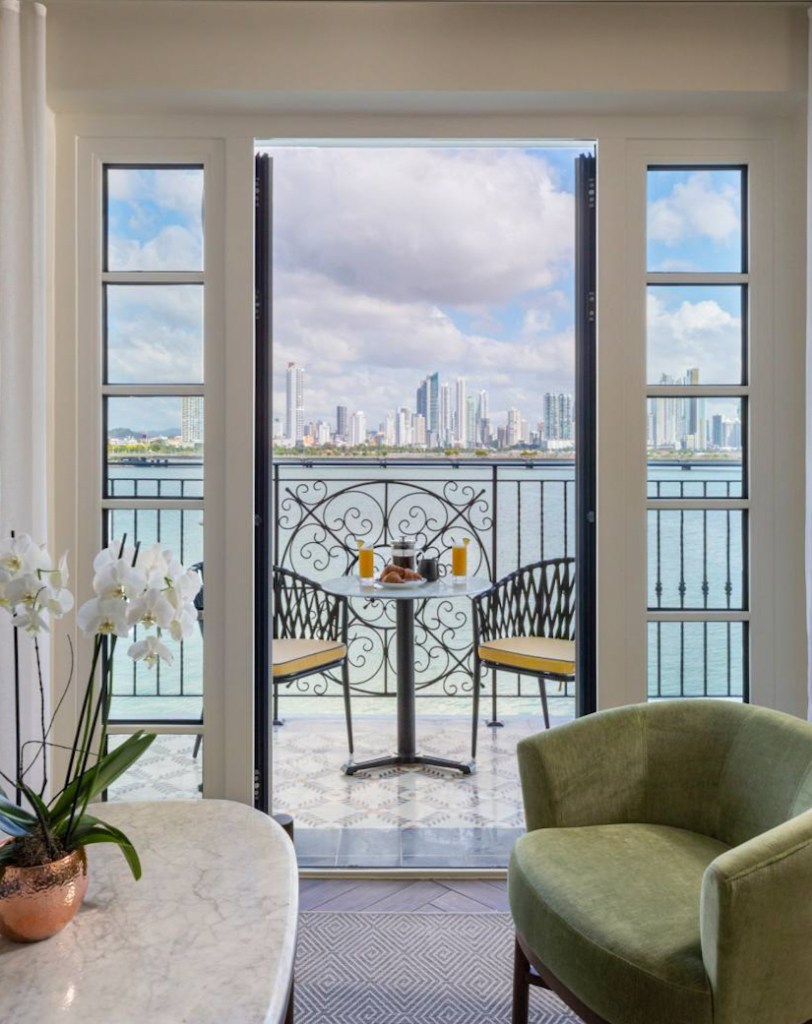
- CASCO VIEJO: Aunque la zona es muy segura y está bastante vigilada, hay que evitar el barrio de El Chorrillo (tan pegado al casco antiguo que sin querer llegas a él mientras paseas). Recomendaría sobre todo la zona de la Plaza de la Independencia como la Avenida Central llegando hacia la calle de los Sombreros: Central Hotel Panamá, Amarla Boutique Hotel Casco Viejo, Casa Francia o el lujosísimo Sofitel Legend Casco Viejo (si el bolsillo os lo permite 😉
- CIUDAD MODERNA: Las mejores zonas serían Vía Argentina, Bellavista, Marbella, O Barrio, El Cangrejo y Calidonia: Riu Plaza Panamá, Plaza Paitilla Inn, Tryp by Whyndham Panamá Centro o el Hotel Ojos del Río.
Nuestros hoteles
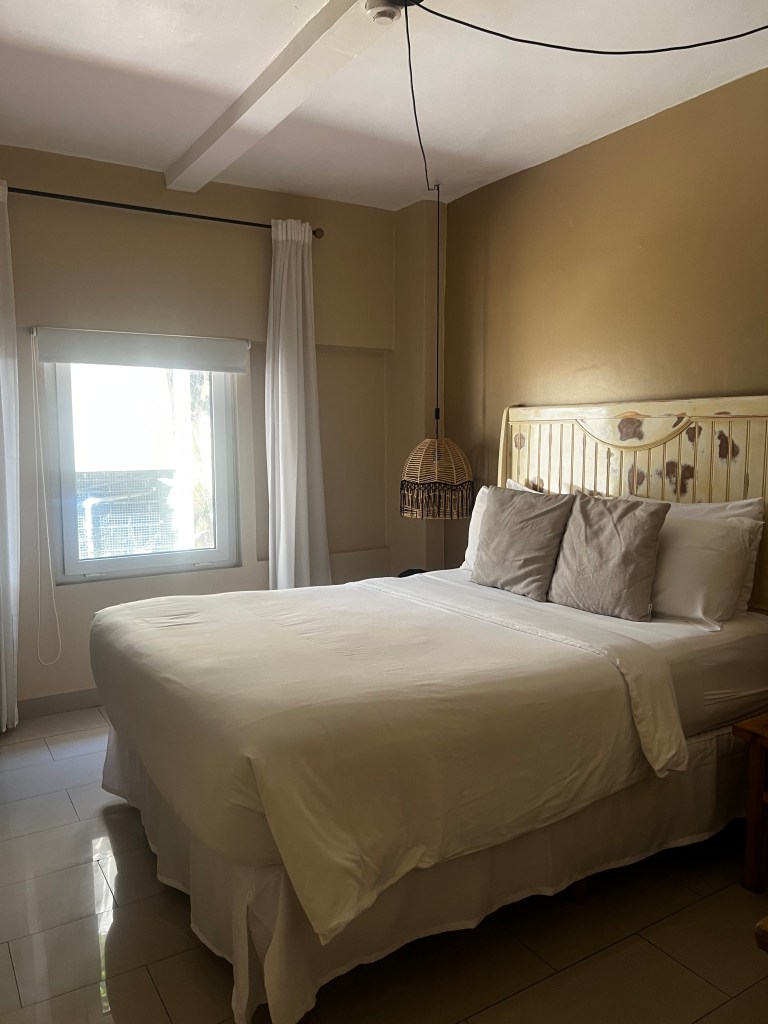
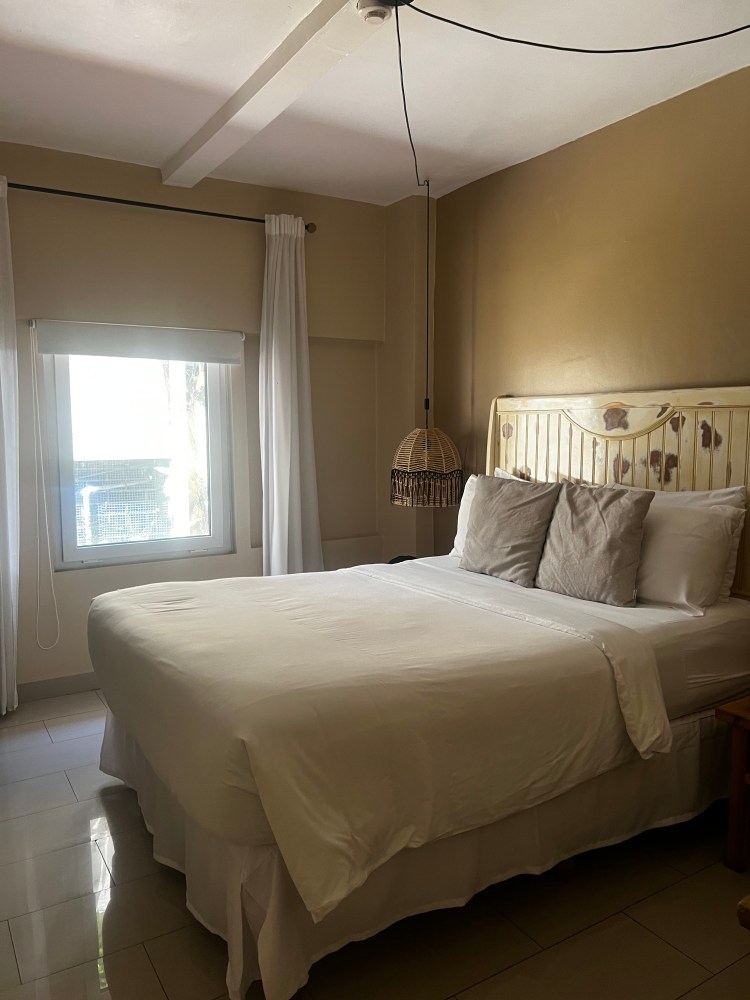
En el Casco Viejo, nos alojamos en Casa Magnolia Inn, en pleno centro. Un 3 estrellas con mucho encanto al lado de uno de los lugares más emblemáticos del centro: la cervecería Rana Dorada. Tiene tanto habitaciones privadas como compartidas y una zona común con unos pintorescos balcones llenos de plantas ideales para relajarse, leer un buen libro o simplemente asomarse a ver la vida del centro con las vistas impresionantes de los rascacielos al fondo. El alojamiento no daba la opción de desayuno pero contaba con cocina, y había varias cafeterías muy recomendables para desayunar cerca. El precio de una habitación doble privada ronda los 80$.
📍 Calle 8
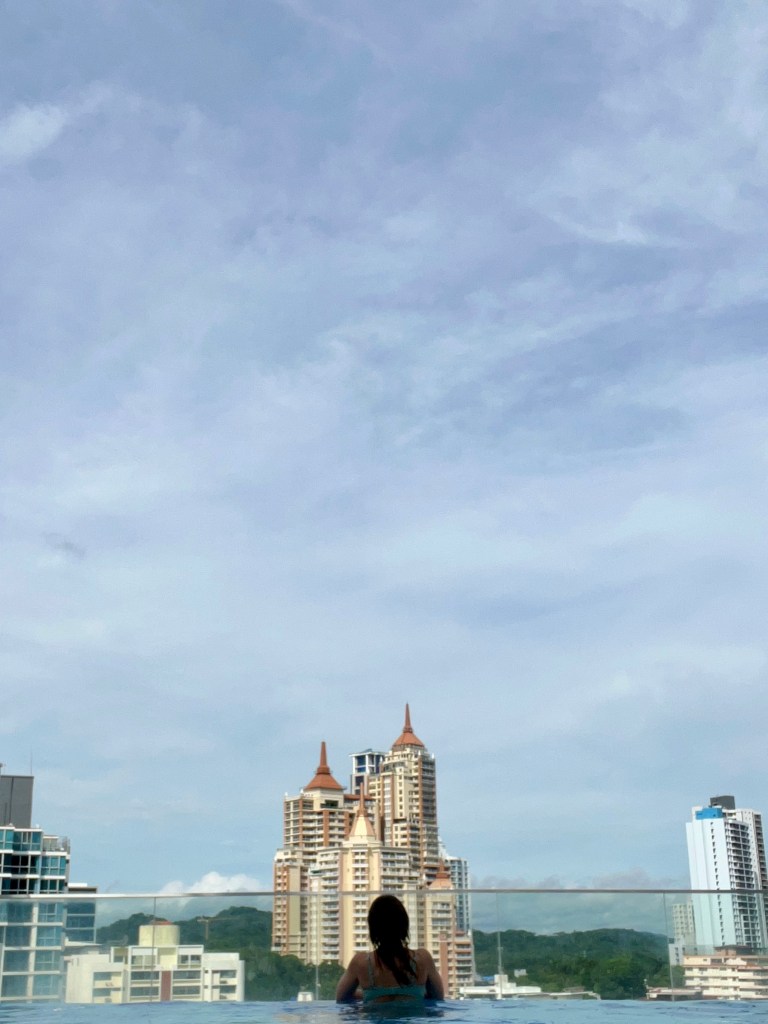
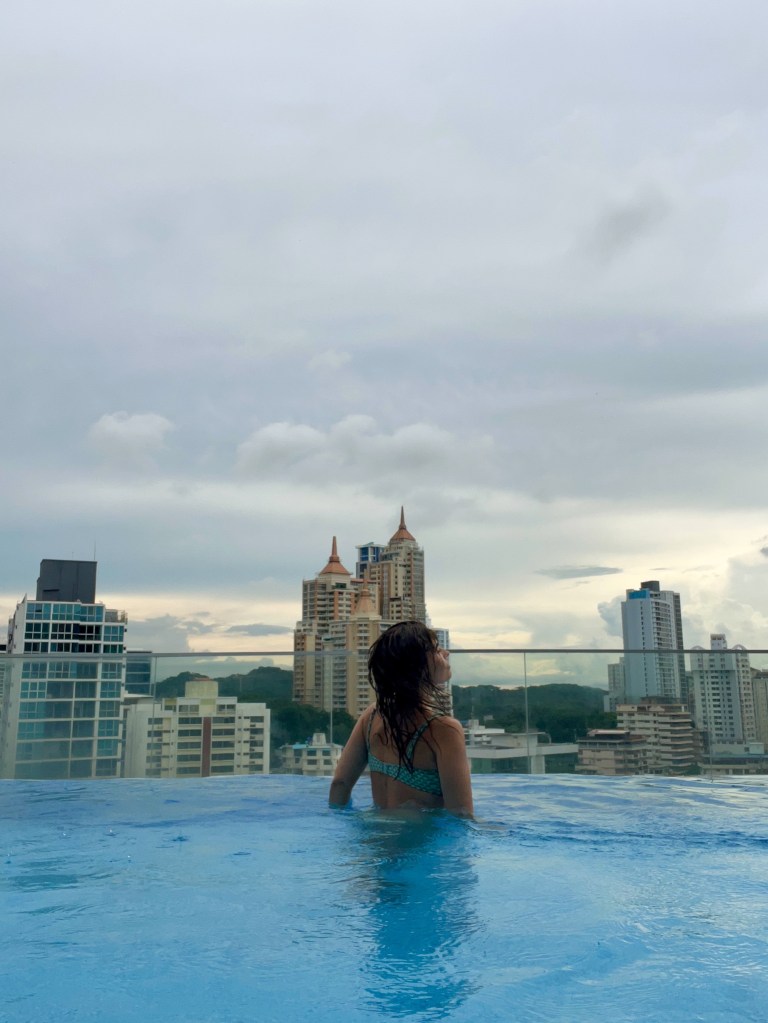
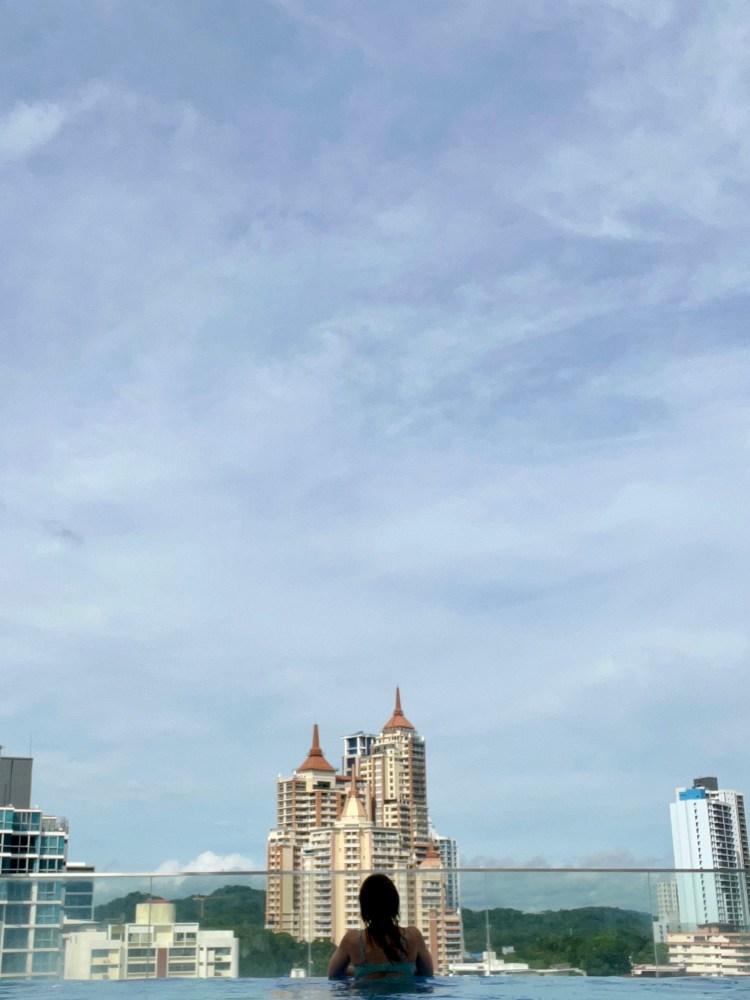
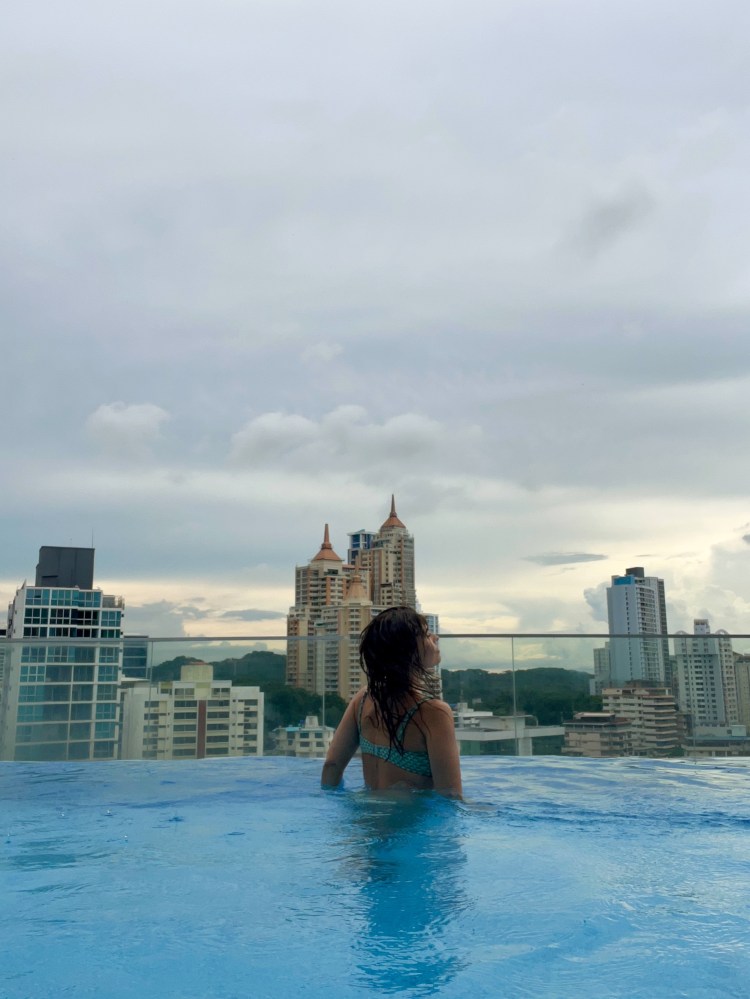
En la Ciudad Modena, nos alojamos en el Best Western Plus Panama Zen, al lado de la Vía Argentina. En realidad teníamos reservado otro hotel, pero en el ultimo momento nos dijeron que había overbooking y tuvimos que improvisar, pero nos encantó! El precio fue increíble para haberlo reservado con tan poco tiempo (60$ la habitación doble con desayuno) y tanto la habitación como el desayuno y la piscina en la azotea eran espectaculares, con unas vistas impresionantes a los rascacielos de la ciudad.
📍 Calle Gaspar Hernández Y
Qué ver en Ciudad de Panamá
Para poder pasear y disfrutar bien del Casco Viejo, recomendaría un mínimo de 3 días. Para la zona moderna 1-2 días, y si tenéis más tiempo es interesante dejar algún día para los alrededores.
CASCO ANTIGUO (2-3 días): Casco antiguo, Mercado de Mariscos, Paseo de las Bóvedas
El distrito histórico de Panamá es Patrimonio de la Humanidad de la UNESCO y está plagado de edificios de los Siglos XVI y XVII como la Plaza Bolívar, la Catedral Metropolitana, el Teatro Nacional, las Iglesia de San José, San Francisco o de la Señora de la Merced… pero también tiene atractivos como el Mercado de Mariscos, el Paseo Esteban Huertas, varios museos…
CIUDAD MODERNA (1-2 días): Vía Argentina, Cinta Costera, Mirador del Pacífico, C/ Uruguay
No olvidéis dejaros al menos uno o dos días para descubrir la parte más moderna de la ciudad y tener así el contrapunto perfecto al casco viejo.
ALREDEDORES: Canal de Panamá, Panamá la Vieja… o alguna excursión a las islas cercanas
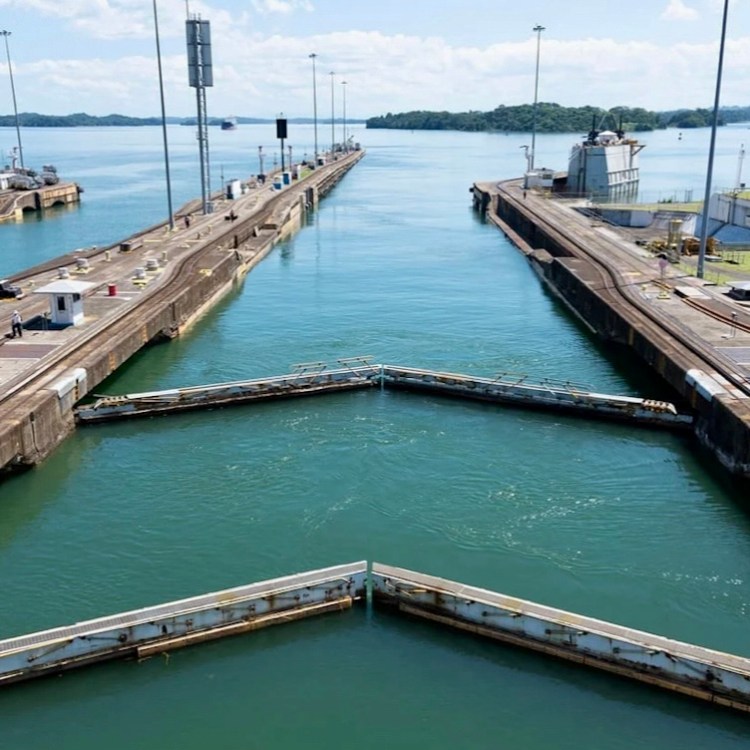
Si tenéis algún día adicional, merece la pena hacer alguna excursión en las afueras, por ejemplo podéis acercaros a ver los barcos pasando por la exclusa del Canal de Panamá o visitar Panamá Viejo, e incluso mirar algún tour a las islas más cercanas a Panamá como Taboga o Isla del Rey.
Casco antiguo
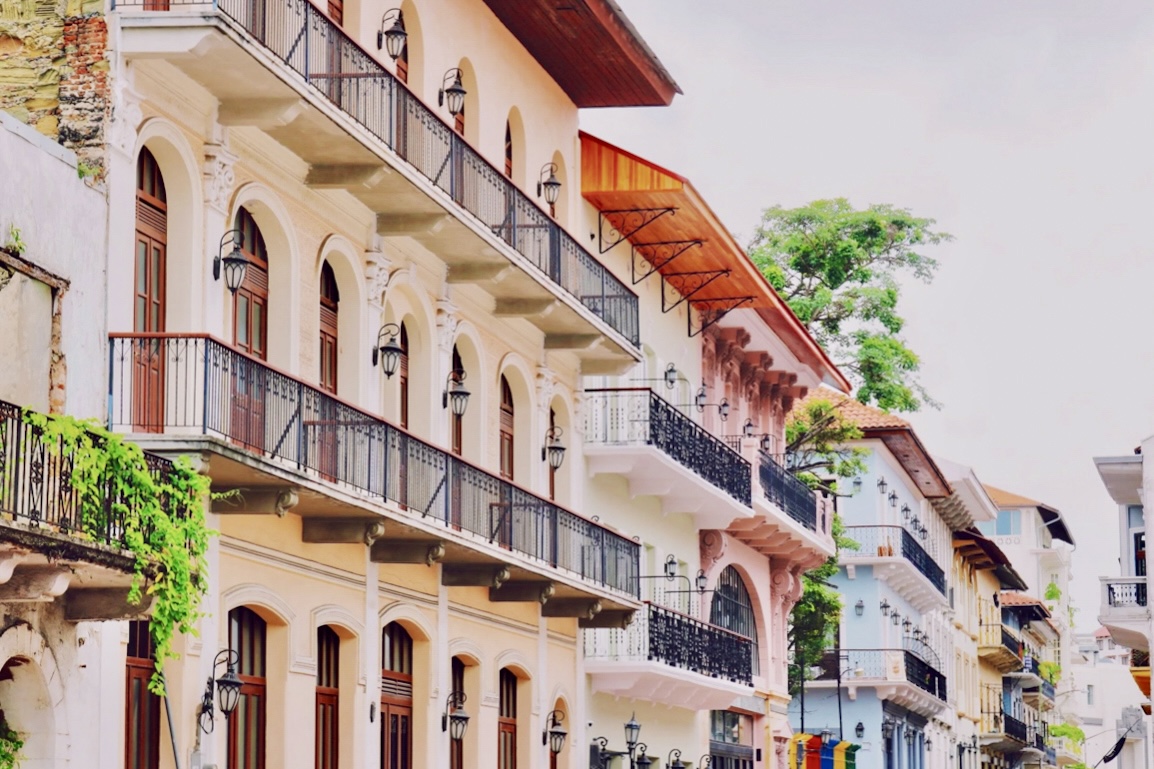
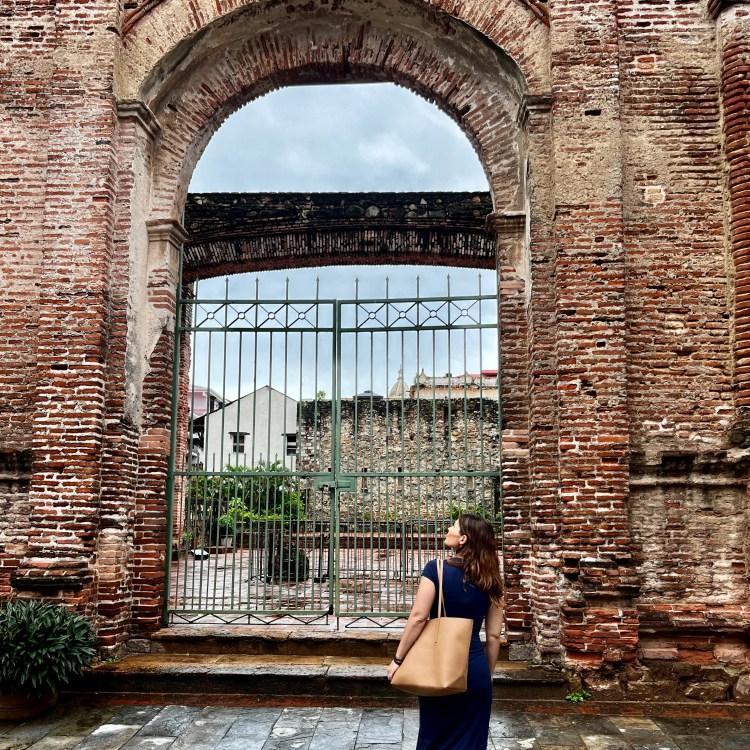
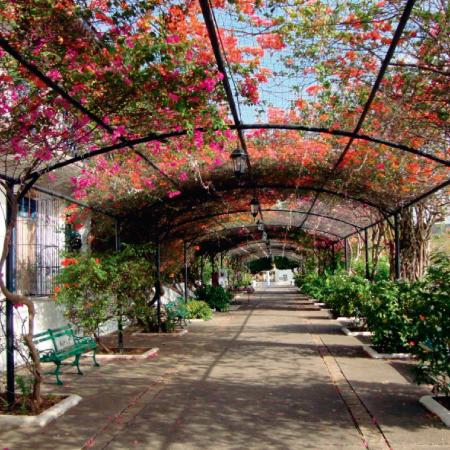
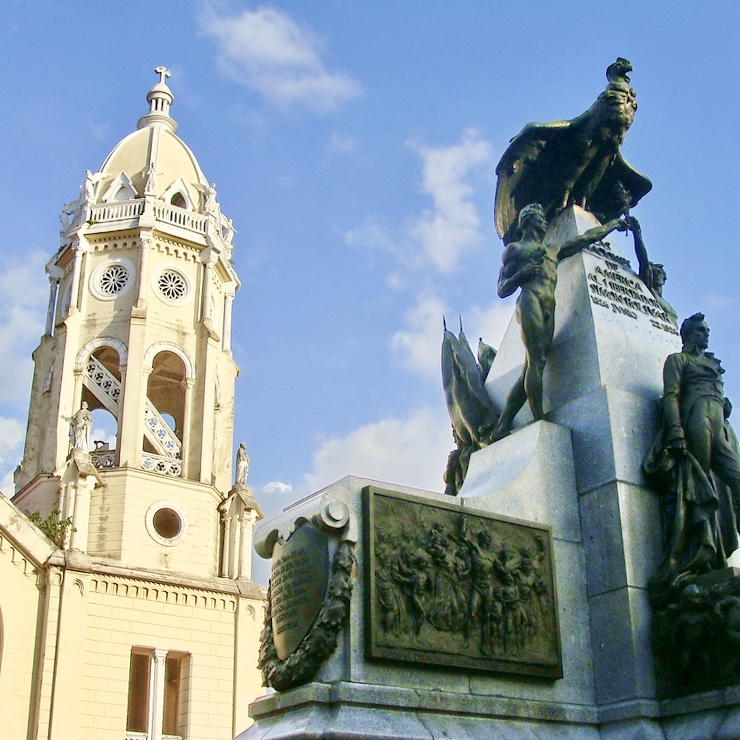
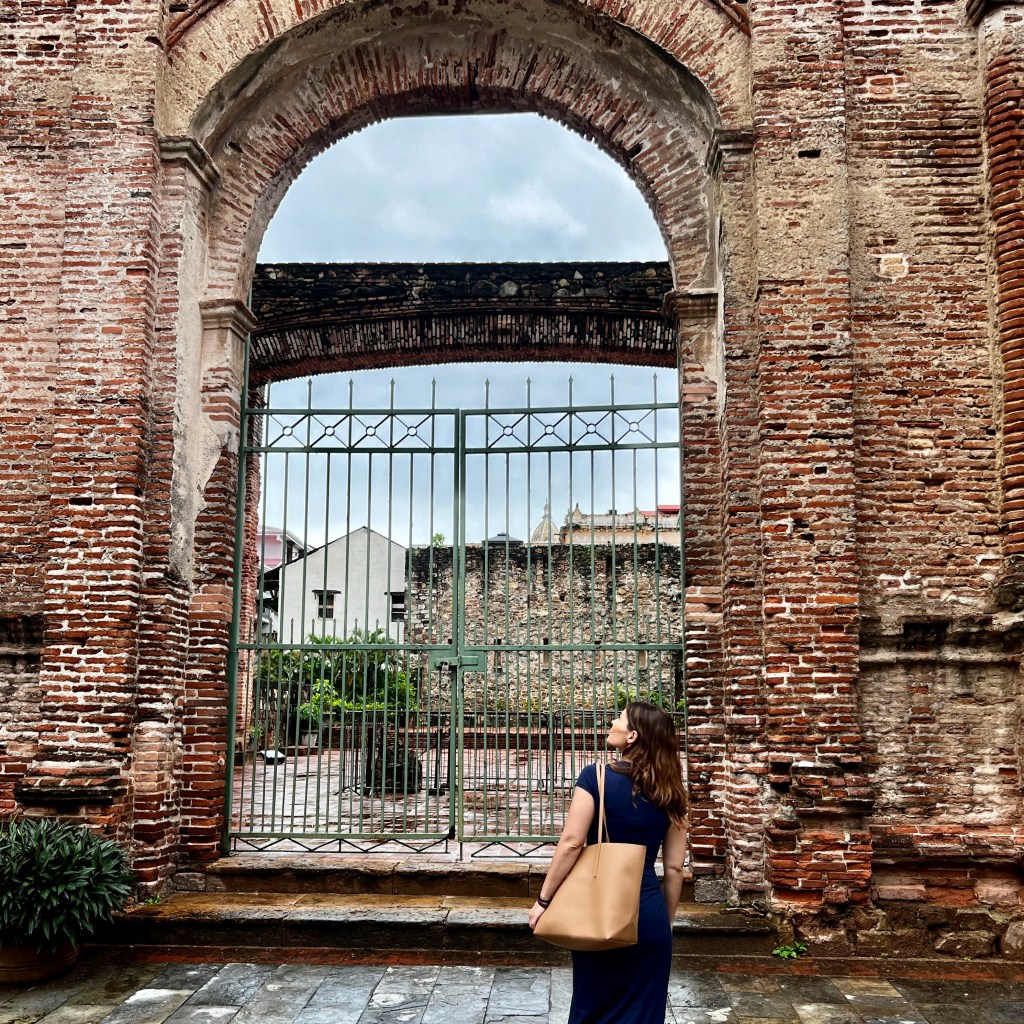
El mejor plan es pasear entre las calles llenas de edificios coloniales con fachadas de distintos colores y admirar todo lo que encuentres a tu paso: la Plaza de la Independencia, la Plaza de Francia con su obelisco de 18 metros dedicado a los franceses, la Iglesia de San José con su altar de oro y caoba o las ruinas del Arco Chato, un sitio super fotogénico en pleno centro de la ciudad.
Mercado de Mariscos
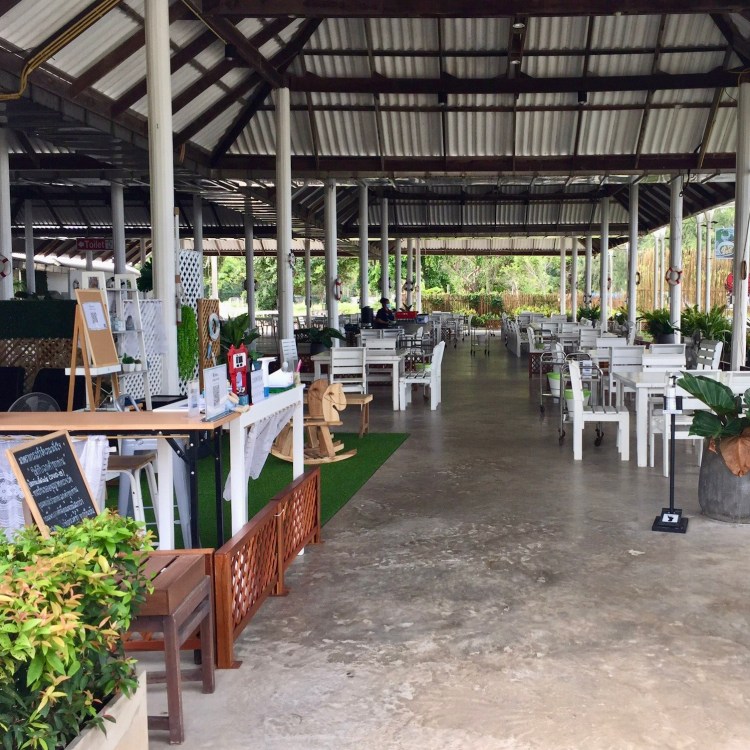
Sin duda, una de las paradas obligatorias si queréis descubrir la gastronomía de Panamá. Este mercado se encuentra al final del paseo marítimo justo entre el casco antiguo y la parte moderna, tiene un montón de puestecitos – restaurantes con mesas sencillas y sillas de plástico y en cualquiera de ellos comeréis fenomenal. «De la mar a su paladar» es su lema: podréis disfrutar de ceviches, langosta, pescado fresco preparado «a lo macho» o «a la hembra»… en un ambiente animado y bullicioso en el que conviven panameños y visitantes alrededor de la comida.
Paseo de las Bóvedas
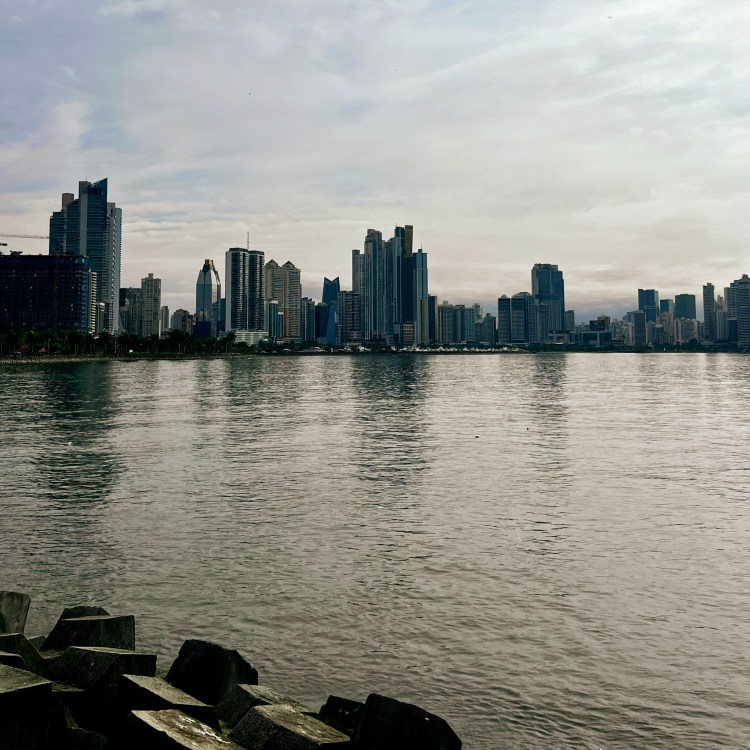
Paseando entre restos de antiguas murallas españolas por el malecón descubriréis una de las mejores vistas de la ciudad asomándose al Pacífico y con los rascacielos de fondo. Este paseo (cuyo nombre en realidad es Paseo/Bulevar de Esteban Huertas), es súper pintoresco y más bonito aún cuando la marea está alta, además está flanqueado por puestecitos con productos artesanales (echad un vistazo si vais buscando el típico sombrero panameño) y casi siempre hay algún músico amenizando el ambiente. Ideal para dedicarle un ratito y sacar alguna que otra foto, sobre todo al atardecer.
Plazas y Catedral Metropolitana
La Plaza Bolívar (dedicada a Simón Bolívar) es perfecta para sentarse un rato en uno de sus bancos a la sombra de los árboles y las palmeras para descansar de las caminatas por la ciudad. En ella podréis encontrar la Iglesia de San Francisco de Asís y el Teatro Nacional, además de un montón de terracitas y restaurantes para tomar algo. La Plaza de la Independencia o Plaza Mayor es el centro histórico de la ciudad y frente a ella está la Catedral Basílica Santa María la Antigua, construida de 1688 a 1796. Un edificio precioso que combina diferentes estilos arquitectónicos al que podréis entrar de manera gratuita y en el que admirar su retablo mayor.
Cinta Costera y Mirador del Pacífico
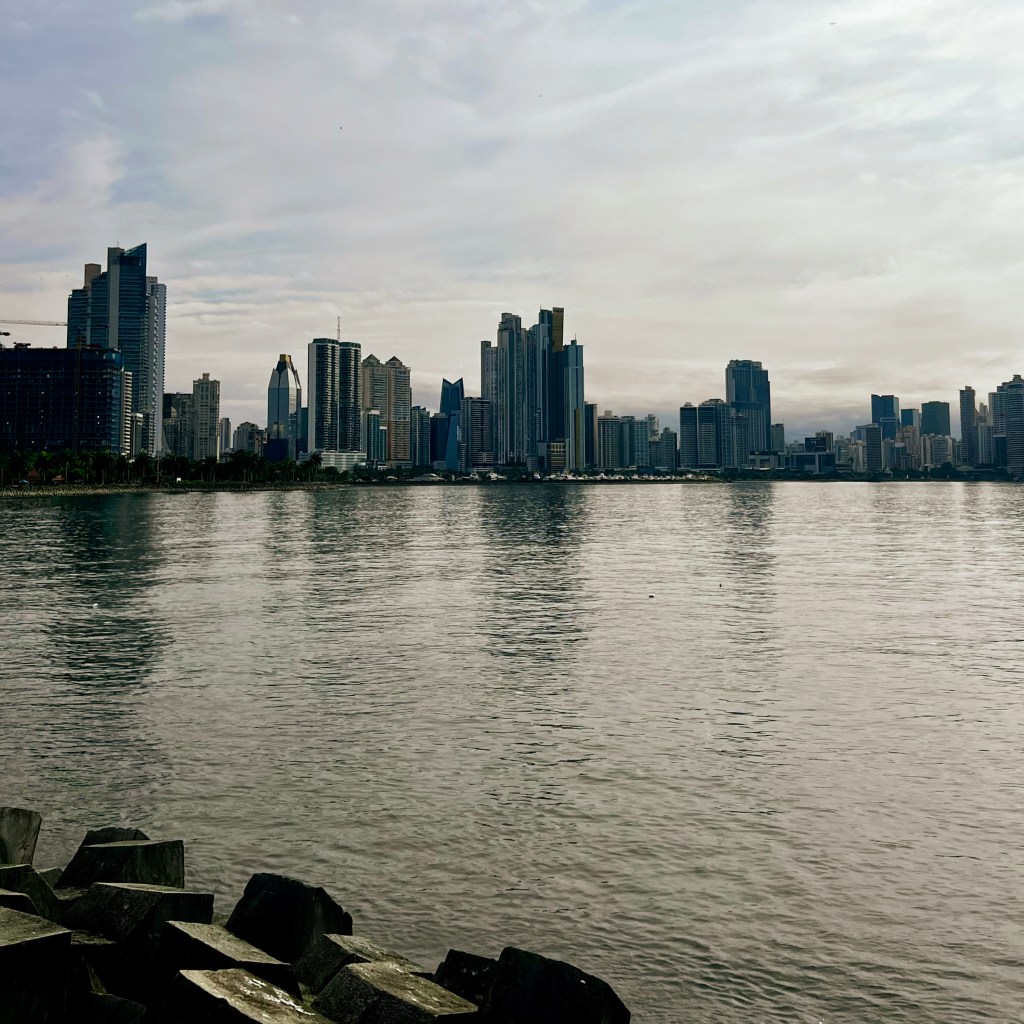
La Cinta Costera es un gran parque lineal de más de 7 kms. que recorre la bahía desde Paitilla hasta el casco Viejo y nos gustó mucho para dar un paseo mañanero tras el desayuno. Con muchísimo espacio verde y caminos tanto para andar como para bicicletas, permite disfrutar de la naturaleza y de las impresionantes vistas de Panamá desde su Mirador panorámico al Pacífico (desde él podréis ver cómo pasan los barcos que entran en el Canal de Panamá)

Vía Argentina
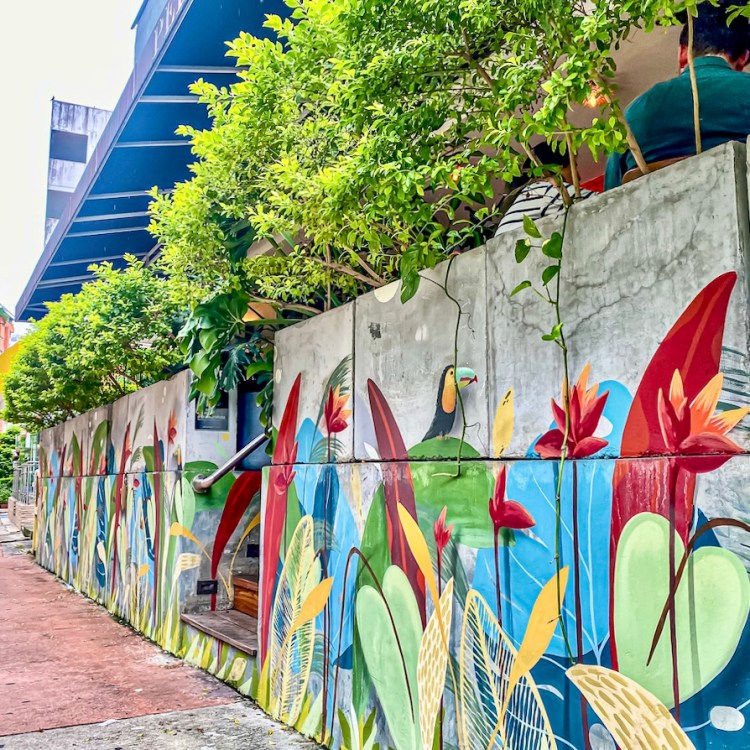
Entrando ya en la zona moderna encontramos una de las avenidas más importantes de la ciudad. Conocida por ser el «corazón bohemio» de Panamá, está repleta de vida, restaurantes, bares, tiendas y mucha mezcla de personas (hippies, hipsters, rockers, queers)… A lo largo de ella podréis encontrar cosas curiosas como la «Cabeza de Einstein», pubs de barrio super auténticos, karaokes, tiendas de vinos, graffitis… se puede llegar en metro y es muy recomendable de visitar.
Canal de Panamá
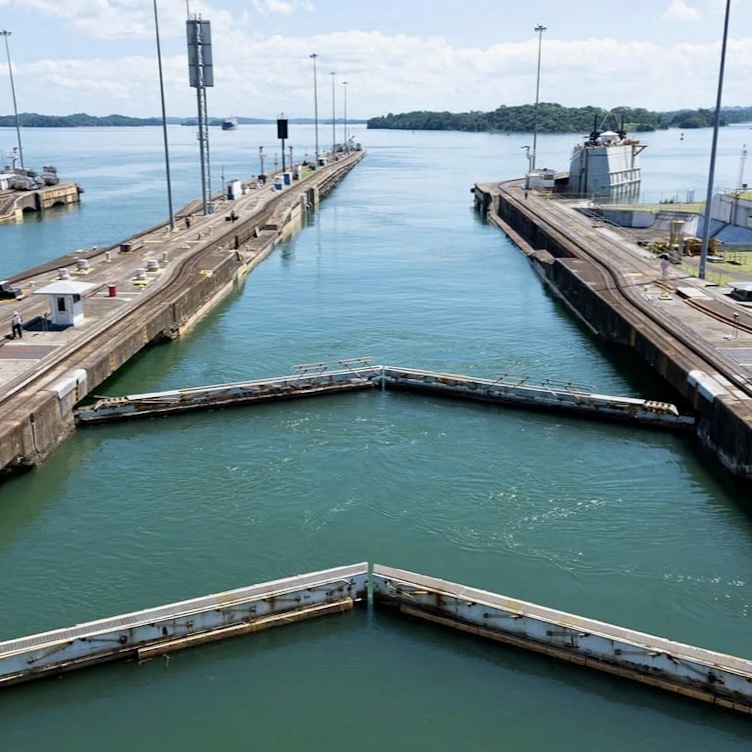
Para muchos es un imprescindible, de hecho dicen que viajar a Panamá y no ver el Canal es como ir a Roma y no ver el Vaticano… sin embargo os confieso que nosotros no fuimos a verlo XD. El Canal es el mayor generador de ingresos del país y los visitantes pueden ver el paso de los barcos por las exclusas pagando una entrada en el Centro de Visitantes de Miraflores. El tour dura 1,5h aproximadamente y el precio de la entrada es de 17,22$ (eso sí, aseguraros antes de que a la hora que vayáis pasa algún barco ya que no siempre pasan)
Panamá la Vieja
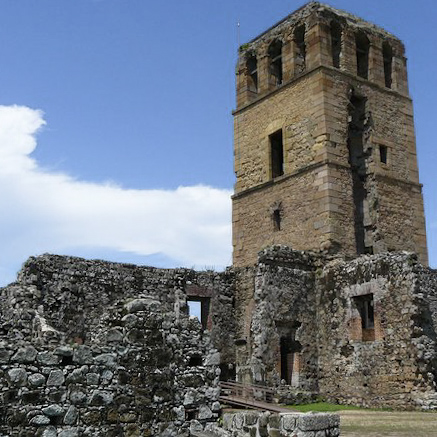
Si tenéis tiempo para hacer una pequeña excursión, podéis visitar la que llaman Panamá la Vieja a unos 13 kms. del centro. Es la primera ciudad fundada por los españoles en año 1519, destruida después por el ataque del pirata Morgan. En la actualidad quedan algunos de sus muros semiderruidos y la torre de la vieja iglesia. El horario para visitarla es de Martes a Domingo de 8:30 a.m. a 5:30 p.m. (ojo! la taquilla cierra a las 4:30 p.m.) y el precio de la entrada del sitio arqueológico es de 17$.
Comer en Panamá City
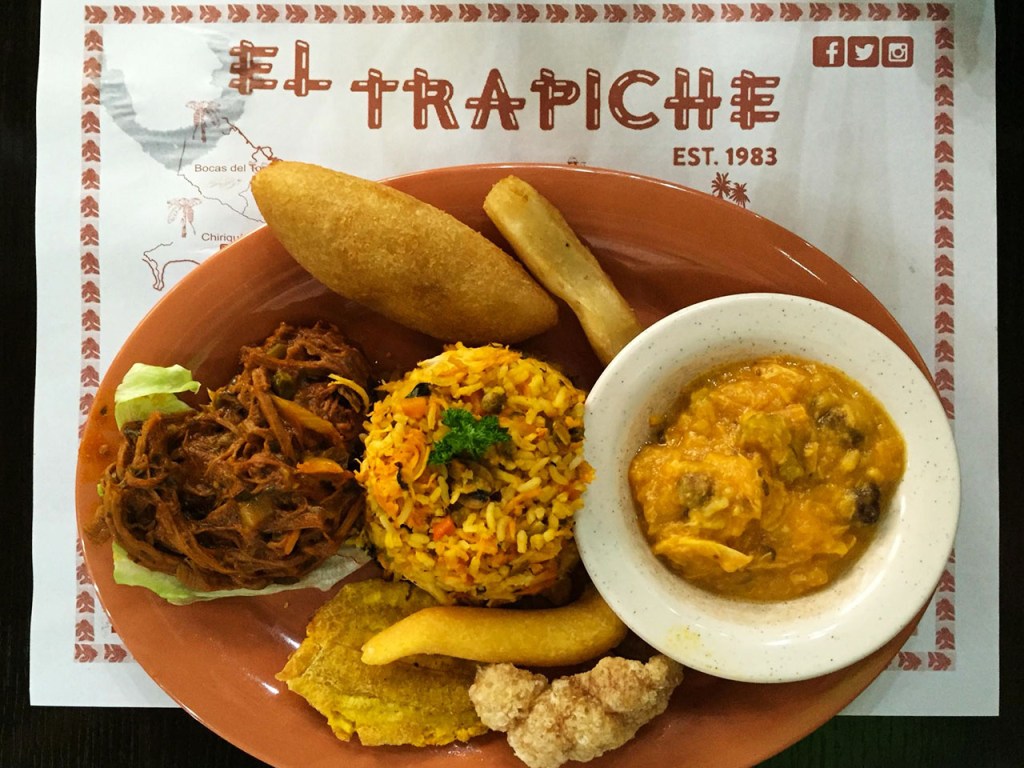
La cocina panameña es una cocina sabrosa que mezcla lo caribeño, lo latinoamericano y ciertos toques picantes. Su plato más típico es el sancocho, un guiso preparado con verduras, gallina o pollo e ingredientes locales como el ñame, la malanca y el culantro (cilantro). También veréis mucho ceviche, patacones, carimañolas (aperitivo local a base de puré de yuca o mandioca), sãos (cerdo en escabeche)… y todo casi siempre acompañado de una bebida dulce llamada chicheme que se hace con leche condensada, harina de maíz, azúcar y especias.
Nuestros sitios favoritos para comer en Panamá City
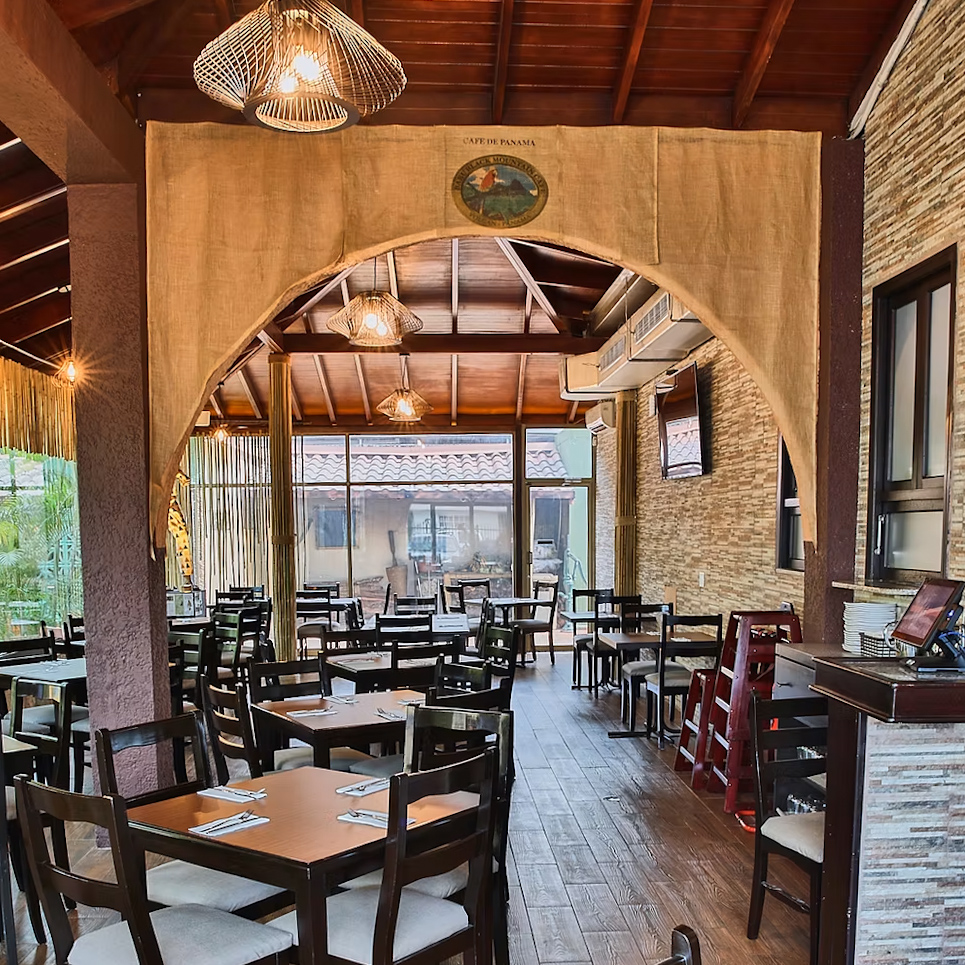
Un clásico de la cocina panameña con más de 40 años de historia y varios restaurantes en la ciudad. Nosotros fuimos al de Vía Argentina: un local super pintoresco de madera y platos tradicionales entre los que destaca la ropa vieja, el chicharrón, la «Fiesta Panameña» o el famoso Sancocho con patacones.
📍 Vía Argentina (Panamá Moderno)
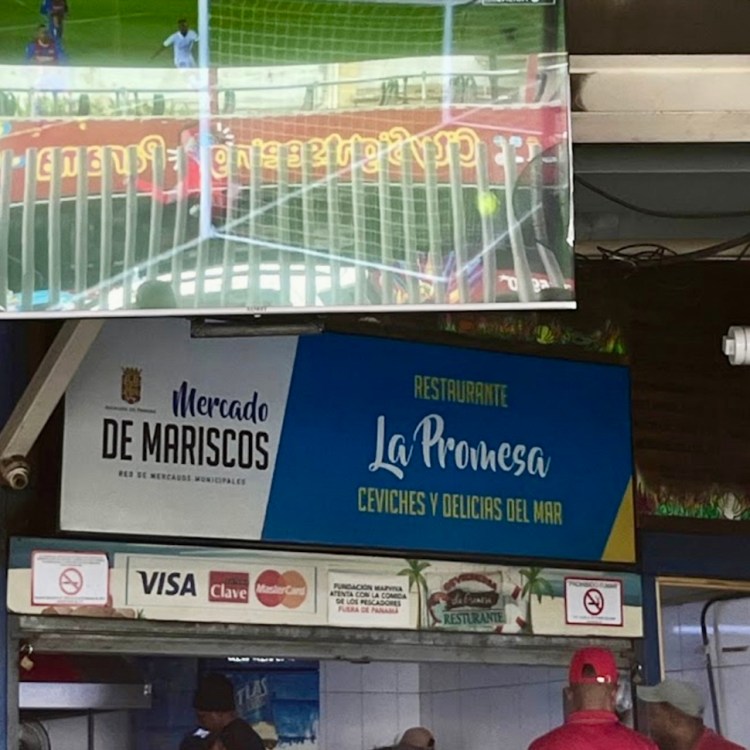
Uno de los restaurantes más populares del Mercado de Mariscos, con productos recién sacados del mar y cocinados con recetas panameñas. Es un sitio bastante auténtico, los platos estaban muy ricos y el precio nos pareció bastante bueno para todo lo que comimos!
📍 Mercado de Mariscos, Cinta Costera 3
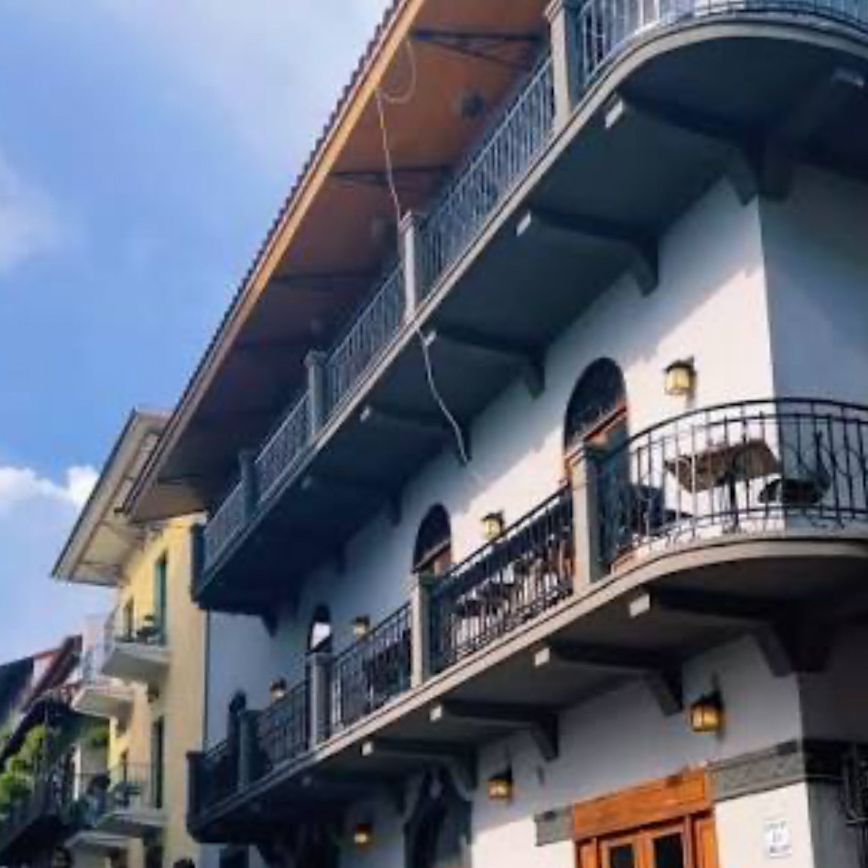
Un sitio popular con comida y bebidas low cost en pleno centro. Pedid sitio en los balcones para degustar alguna de sus raciones (no demasiado abundantes) y probar sus originales bebidas. La comida no destaca especialmente pero sí es recomendable por la autenticidad del ambiente y para vivir la experiencia.
📍 Esquina de la Calle 9 y Avenida Central España
Ocio en Panamá City
This city has a great atmosphere and is quite lively for going out, both in the Old Town and in the modern part. We especially loved the rooftop bars with amazing views of the skyscrapers, and we highly recommend the famous Corojito, the Panamanian version of the mojito (I won’t tell you what it is, because you have to try it for yourself!! 😉 )
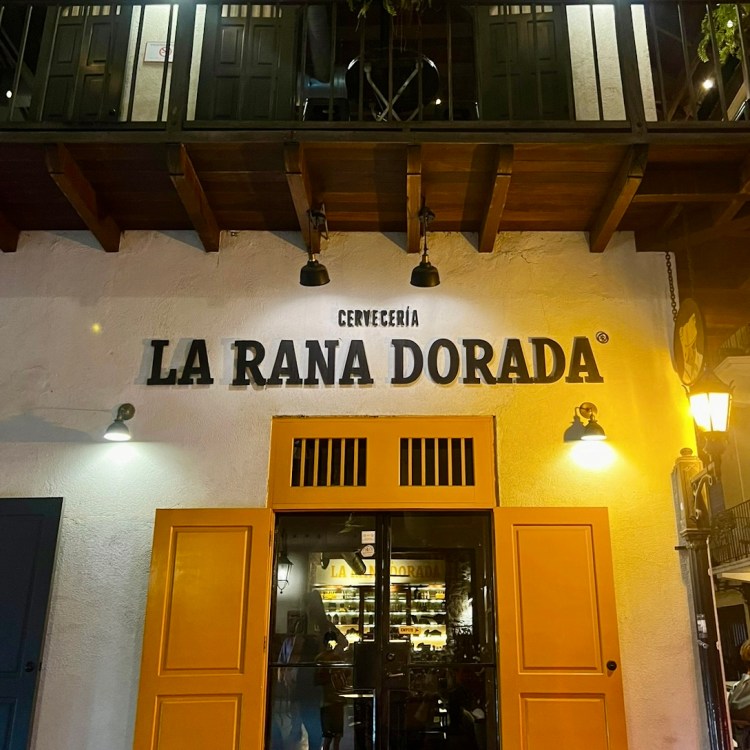
Es la cervecería más mítica de Panamá (tienen varias localizaciones repartidas por la ciudad) y en ella elaboran sus propias cervezas artesanales que puedes pedir a modo de degustación. También tienen carta de comidas y el local que nosotros visitamos en pleno casco viejo tenía mucho encanto.
📍 Esquina entre la Calle 9 y la Calle Boquete
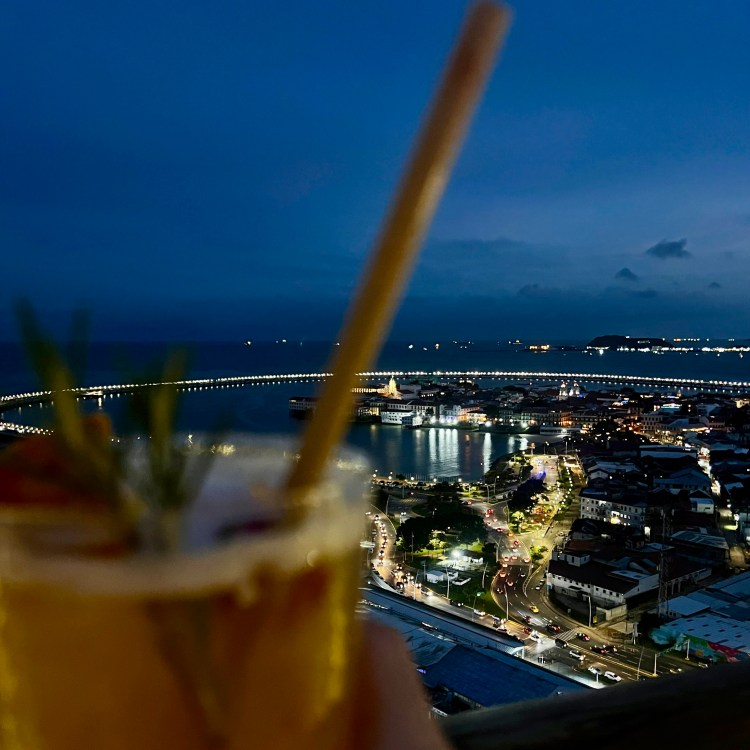
En el último piso de un rascacielos (el P.H. Bay View), se ubica este bar-restaurante con unas vistas no aptas para personas con vértigo. Aquí tenéis que pediros el famoso Corojito y dejaros llevar!!
📍 Avenida 3 de Noviembre P.H. Bay View
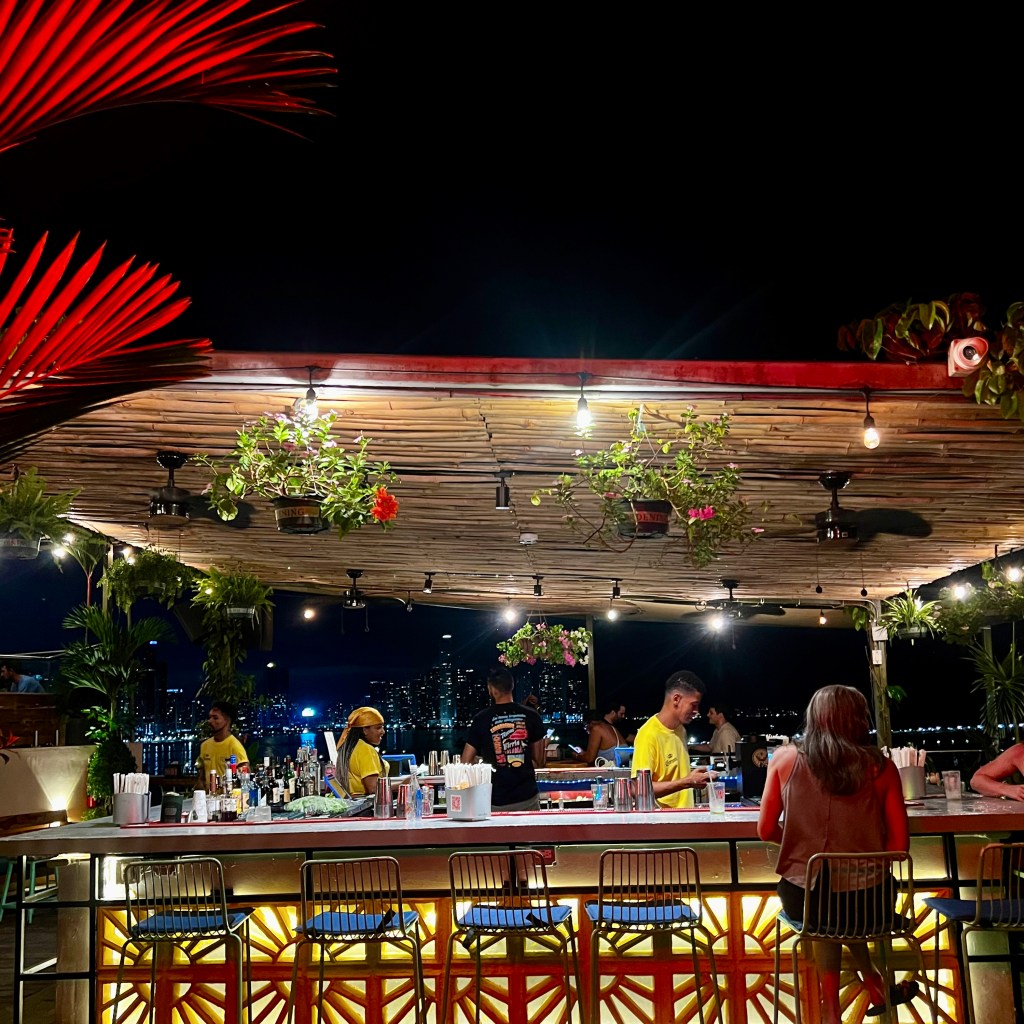
Es el bar de la azotea del Hostal Selina y es un lugar impresionante desde el que tomar algo con unas vistas espectaculares tanto de la ciudad vieja como de los rascacielos. Cuenta con una piscina y también se puede pedir comida. Super recomendable a la hora del atardecer y hasta la noche.
📍 Calle 12 Este
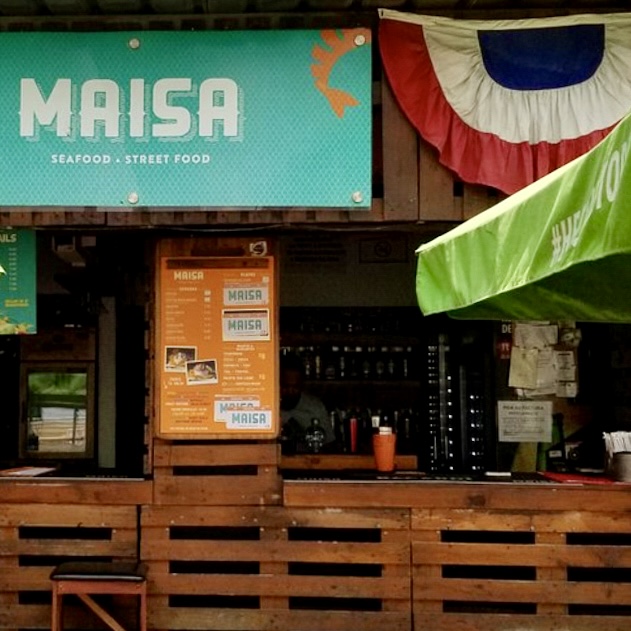
Todos los viajes tienen un descubrimiento, y en este caso fue este pintoresco chiringuito – mojitería al que llegamos por casualidad después de una caminata por el casco viejo. Tenía todo lo que nos gusta: buen rollo, camareros locales super simpáticos y de las cervezas más frescas de la ciudad.
📍 Calle 1 Oeste 5701
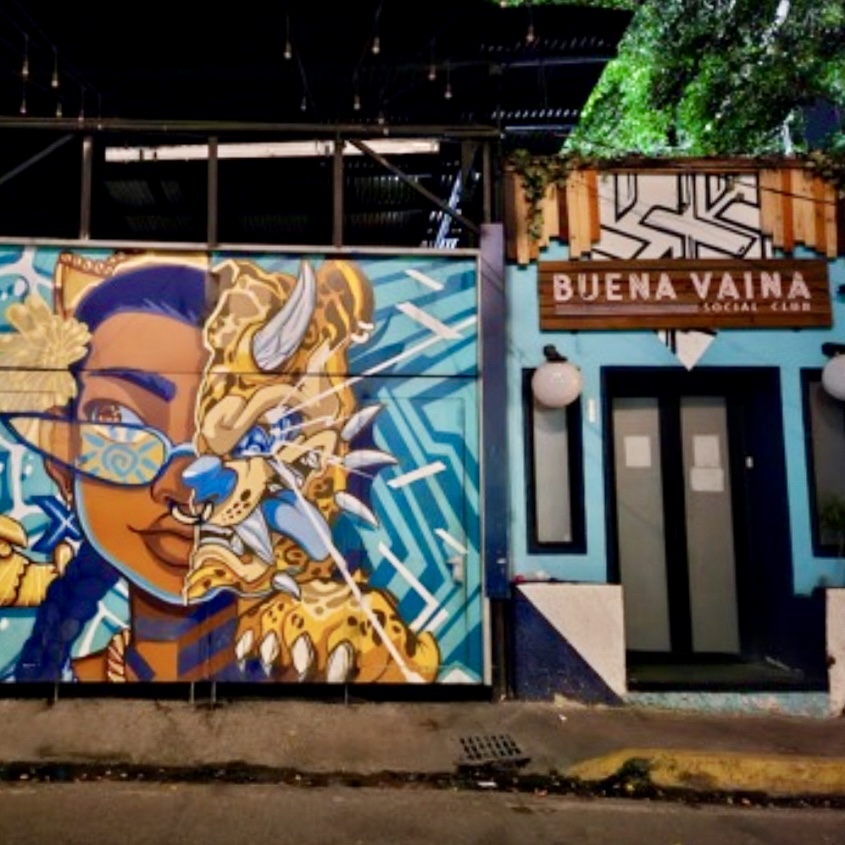
Al igual que La Rana Dorada, también sirven comidas (sobre todo pizzas, hamburguesas y opciones de streetfood). Es ideal para una cena informal o para tomar algo junto a unas cervezas, en pleno centro de Panamá Viejo y con bastante buen ambiente.
📍 Entre Avenida Central y Avenida B (Casco Viejo)
Bares y Pubs de la calle Uruguay
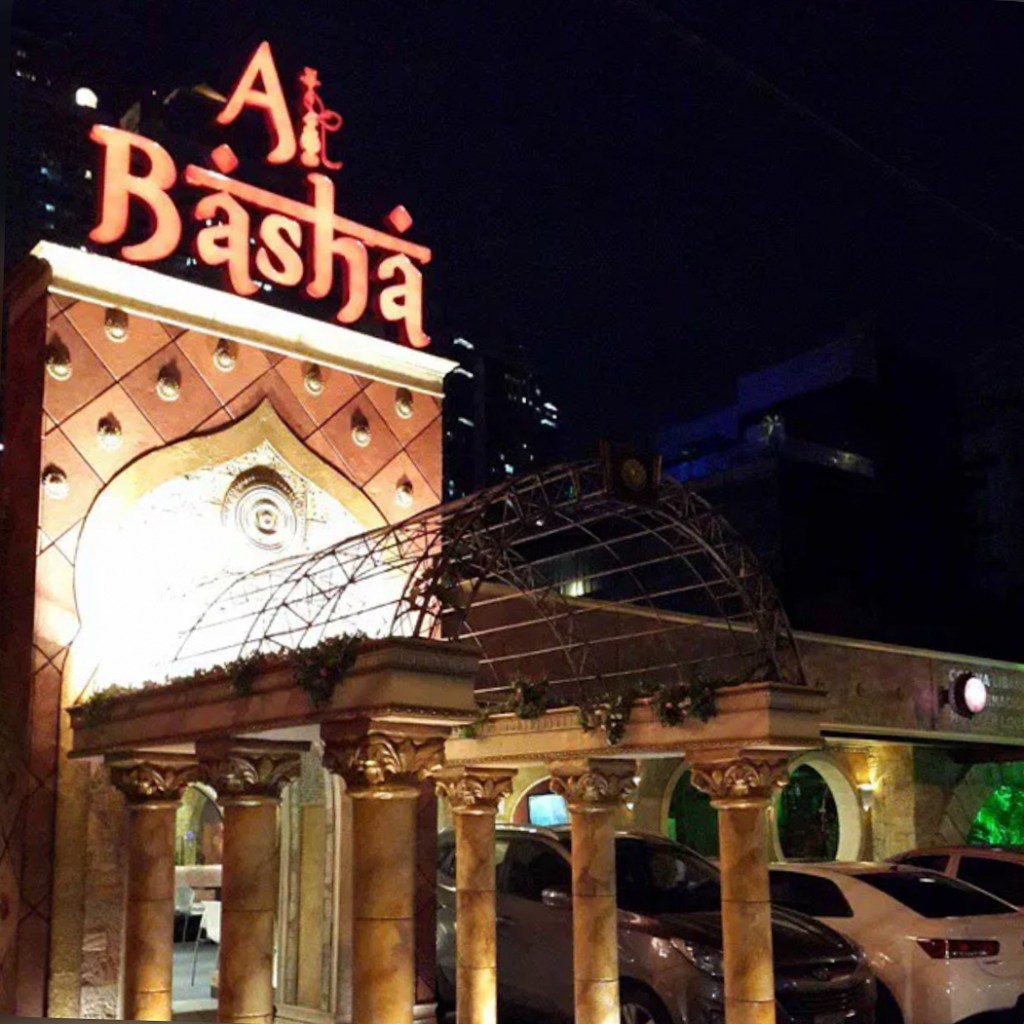
La Calle Uruguay es una calle llena de vida a partir de la puesta de sol, en ella podréis encontrar desde pubs más informales hasta discotecas y clubs, sitios de Karaoke… sea cual sea vuestro plan seguro que encontráis vuestro sitio ideal para tomar algo y salir por la ciudad.
📍 Calle Uruguay
Imprescindibles de Panamá en el mapa📍
Reflexiones finales

Panamá es una ciudad viva, diversa y que permite adaptarse a los planes de casi cualquier tipo de viajero. Si vais por primera vez os recomendaría dividir vuestra estancia entre el casco viejo y la zona moderna para poder vivir así las dos experiencias tan diferentes que proporciona esta ciudad, pero si tuviera que decantarme por alguna sin duda os recomendaría el casco viejo por sus vibes coloniales y su colorido. En ocasiones puede llegar a recordar a la Habana Vieja o a Cartagena de Indias, tiene una atmósfera muy auténtica y especial.
Seguramente os preguntaréis por la seguridad, es algo que al estar preparando el viaje leímos mucho. La verdad es que toda la zona antigua está muy vigilada y siempre que evitéis el barrio del Chorrillo vais a sentiros bastante seguros caminando por sus calles.
En definitiva, para mí es un SI y una perfecta base de operaciones para empezar a descubrir el resto del país. Animaros a visitarla!!
En fin, sé que ha habido demasiado parón en el blog pero espero poder ir publicando poco a poco todo lo que tengo pendiente… de momento seguiremos con las próximas paradas de Panamá, ¿qué os parece este país? ¿os sorprendió tanto como a nosostros?
Os leo en comentarios! 👀
Hasta el próximo post ❤️
xxx
E

It took a while, but we’re finally starting our posts about our trip to Panama! Many of you wanted information about this destination because, like us, you were very surprised when we posted the photos on Instagram. The truth is, we didn’t expect everything we found there… we planned this trip without high expectations and, although I have to confess that Bocas del Toro had always been on my wish list, we ended up discovering many other places that also blew us away.
Panama has earned a prominent place in my top travel destinations so far, and I think it warrants several blog posts… In total, we spent 15 days in different destinations, and each one is worth taking a closer look at, so I’ll divide this adventure into four main posts: Panama City, San Blas (Guna Yala), Colón Island (Bocas del Toro, Bocas del Drago & Playa Estrella) and finally Carenero Island.
Before starting with Panama City, as always, here is the overall trip summary:
TYPE OF TRIP
Couple’s trip
Summer Holidays
Unorganised trip
Adventure, nature, beaches, leisure and gastronomy
WHEN
Season: Summer (low season in Panama)
Duration: 15 days
Month: July/August
Weather: 24º 24º, humid and with some rainy days
HOW TO GET THERE
By plane: direct flight from Madrid with Air Europa and Iberia
Getting around Panama: domestic flights with Air Panama or buses from Albrook terminal, private transfer
Getting around Panama City: bus, metro
Getting between islands: water taxi
15-day itinerary in Panama
For us, the most convenient and least risky option, considering that transfers could be delayed, was to start and end the trip in Panama City. As it is a city of many contrasts, it was great to start in the old town and spend the last night in the modern area so as not to miss anything. It also had the added bonus that from there we could easily take a trip to San Blas and catch the domestic flight to Bocas… In the end, this was our route:
Day 1 | Flight from Madrid to Panama and night in the old town
Days 2 & 3 | Old Town of Panama
Day 4 | transfer to San Blas and night on Perro Chico Island
Day 5 | Perro Chico Island and return to the Old Town of Panama
Day 6 | domestic flight Panama – Bocas, transfer to Bocas del Drago
Days 7 and 8 | Bocas del Drago and Playa Estrella
Days 9 to 12 | transfer to Bocas del Toro and nights in Bocas Town
Days 12 to 14 | transfer to Isla Carenero and Bastimentos
Day 14 | domestic flight from Bocas to Panama and night in the modern city
Day 15 | flight back to Madrid
It’s true that we had to prioritise and that we missed out on seeing some places: if we’d had more time, we would surely have added two days to see the Santa Catalina and Isla de Coiba area and another day or two for the Escudo de Veraguas, which was relatively close to Bocas (we’ll be back to visit them! Hehehe).
Best time to travel
We travelled in summer (low season there) and, without knowing it, it turned out to be one of the best decisions we made. We had friends who had gone in high season and had avoided visiting places like Bocas del Toro because they were swarming with tourists, but we knew we didn’t want to miss out on Bocas del Toro and its surroundings, so we booked our flights from the end of July to mid-August. Just because it’s low season doesn’t mean you won’t be hot or see the sun. We had a few cloudy days and three or four big storms (one of them as soon as we arrived in Panama City), but in the end we found this to be an advantage: as the Panamanians told us and we were able to see for ourselves, the storms came in strong but disappeared immediately, so it was just a matter of waiting a few minutes and continuing on. This also meant that many visitors preferred to go to Panama during drier periods, so we didn’t encounter any crowds. Knowing this, and allowing perhaps an extra day or two in case the rain spoils any excursions, I would definitely go back at this time of year without hesitation.
How to get there
Focusing now on our first stop, once you land at Tocumen International Airport, you have several options for getting to the old town.
Transfer: this is what we chose. We booked a private transfer with Welcome Pickups from Spain, and everything went perfectly: in fact, our flight was delayed, and they waited for us without any problems. If you prefer to take a transfer to avoid the hassle of finding transport, we recommend them (the price is around $20-30, and you’ll be at your accommodation in less than 20 minutes).
Taxi/Uber: Uber works quite well in Panama and, depending on demand, can be cheaper than a taxi, but taxis generally have a fixed rate of £25 for two people to get to the centre.
Metrobus or ‘bus de línea’: the ticket costs $1.25 and you will need to buy a Metrobus card at the airport beforehand to top it up. Depending on the time of day and traffic, the journey can take between 30 minutes and 2 hours.
Getting around Panama City
To be honest, we explored both the Old Town and the modern city on foot and didn’t take any transport. In fact, the walk from the Old Town to Punta Paitilla along the Cinta Costera and the Malecón is quite pleasant. But it’s true that as we divided our days between both areas, we didn’t have to travel from one to the other. If we had had to, we probably would have taken an Uber, although there was also a metro and bus.
We saw that many people rented bicycles or electric scooters to make the trip more comfortable: if you want to travel along the Cinta Costera to Amador or the Mirador de las Américas, they are the best option.
Accommodation in Panama City
As we divided our stay in the city into two areas (old and modern), we chose two very different accommodations in each: in the Old Town we stayed at a small, picturesque colonial-style hotel, while in the modern area we stayed in one of the large skyscrapers with a rooftop swimming pool. We liked both very much, both for their facilities and their locations, but when we did some research, we found these recommendations:
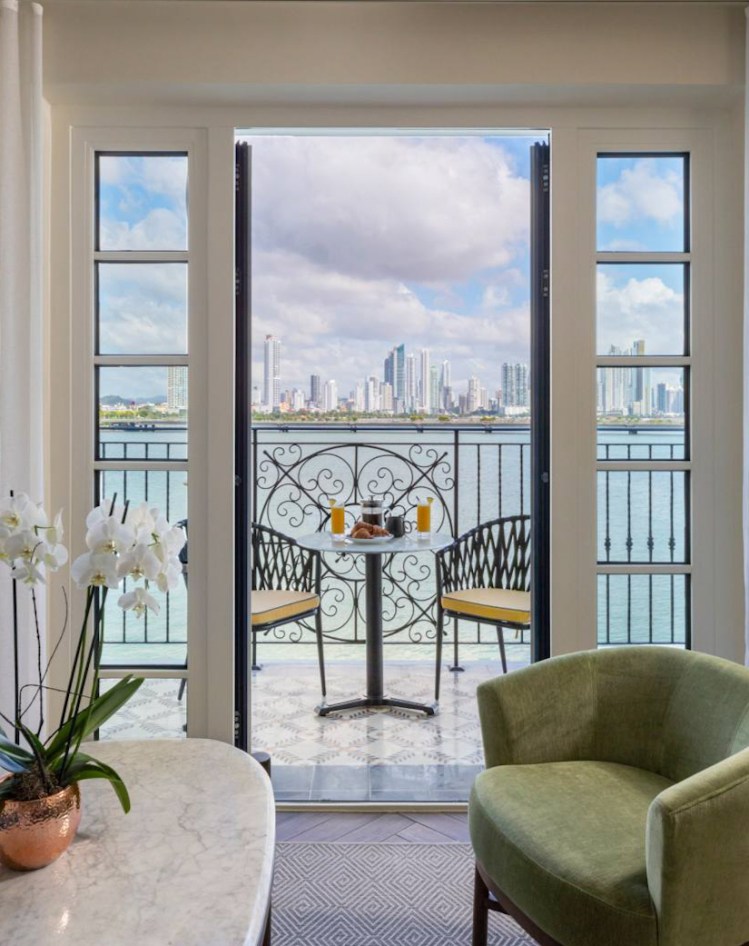
- OLD TOWN: Although the area is very safe and well patrolled, you should avoid the El Chorrillo neighbourhood (so close to the old town that you can easily end up there while walking around). I would particularly recommend the area around Plaza de la Independencia and Avenida Central leading to Calle de los Sombreros: Central Hotel Panamá, Amarla Boutique Hotel Casco Viejo, Casa Francia or the luxurious Sofitel Legend Casco Viejo (if your budget allows it! 😉
- MODERN CITY: The best areas would be Vía Argentina, Bellavista, Marbella, O Barrio, El Cangrejo, and Caledonia: Riu Plaza Panamá, Plaza Paitilla Inn, Tryp by Whyndham Panamá Centro or Hotel Ojos del Río.
Our hotels
In Casco Viejo, we stayed at Casa Magnolia Inn, right in the centre. A charming 3-star hotel next to one of the most iconic places in the centre: the Rana Dorada brewery. It has both private and shared rooms and a common area with picturesque balconies full of plants, ideal for relaxing, reading a good book or simply watching life in the city centre with stunning views of the skyscrapers in the background. The accommodation did not offer breakfast but had a kitchen, and there were several highly recommended cafés nearby for breakfast. The price of a private double room is around $80.
📍 8th Street
In the modern area, we stayed at the Best Western Plus Panama Zen, next to Via Argentina. We had actually booked another hotel, but at the last minute we were told that it was overbooked and we had to improvise, but we loved it! The price was incredible for such a last-minute booking ($60 for a double room with breakfast), and the room, breakfast and rooftop pool were spectacular, with stunning views of the city’s skyscrapers.
📍 Gaspar Hernández Y Street
What to see in Panama City
To be able to stroll around and really enjoy the Old Town, I would recommend at least 2-3 days. For the modern area, 1-2 days, and if you have more time, it’s worth setting aside a day or so for the surrounding area.
OLD TOWN (2-3 days): Old Town, Seafood Market, Paseo de las Bóvedas
Panama’s historic district is a UNESCO World Heritage Site and is full of buildings from the 16th and 17th centuries, such as Plaza Bolívar, the Metropolitan Cathedral, the National Theatre, the churches of San José, San Francisco and Señora de la Merced… but it also has attractions such as the Seafood Market, Paseo Esteban Huertas, several museums…
MODERN TOWN (1-2 days): Via Argentina, Coastal Road, Pacific Viewpoint, Uruguay Street
Don’t forget to leave at least one or two days to discover the more modern part of the city, providing the perfect contrast to the old town.
SURROUNDINGS: Panama Canal, Panama la Vieja… or a tour around the nearby islands.
If you have an extra day, it’s worth taking a trip to the outskirts of the city. For example, you can go and watch the ships passing through the Panama Canal locks, visit Panama Viejo, or even take a tour to the islands closest to Panama, such as Taboga or Isla del Rey.
Old Town
The best plan is to stroll through the streets lined with colonial buildings with colourful façades and admire everything you find along the way: Independence Square, France Square with its 18-metre obelisk dedicated to the French, St. Joseph’s Church with its gold and mahogany altar, and the ruins of the Arco Chato, a super photogenic site in the heart of the city.
Seafood Market
Without a doubt, this is one of the must-see stops if you want to discover Panama’s cuisine. This market is located at the end of the promenade, right between the old town and the modern part of the city. It has lots of little stalls and restaurants with simple tables and plastic chairs, and you’ll have a great meal at any of them. ‘From the sea to your palate’ is their motto: you can enjoy ceviche, lobster, fresh fish prepared ‘a lo macho’ or ‘a la hembra’… in a lively and bustling atmosphere where Panamanians and visitors come together around food.
Walkway of the vaults
Strolling among the remains of ancient Spanish walls along the promenade, you will discover one of the best views of the city overlooking the Pacific Ocean with skyscrapers in the background. This promenade (whose actual name is Esteban Huertas Boulevard) is extremely picturesque and even more beautiful at high tide. It is also flanked by stalls selling handmade products (take a look if you are looking for a typical Panamanian hat) and there is almost always a musician playing to liven up the atmosphere. It’s the perfect place to spend a little time and take a few photos, especially at sunset.
City squares and Metropolitan Cathedral
Plaza Bolívar (dedicated to Simón Bolívar) is the perfect place to sit for a while on one of its benches in the shade of the trees and palm trees and rest from walking around the city. Here you will find the Church of San Francisco de Asís and the National Theatre, as well as lots of terraces and restaurants where you can have a drink. Plaza de la Independencia or Plaza Mayor is the historic centre of the city and opposite it is the Cathedral Basilica of Santa María la Antigua, built between 1688 and 1796. A beautiful building that combines different architectural styles, you can enter for free and admire its main altarpiece.
Cinta Costera and Pacific Viewpoint
The Cinta Costera is a large linear park stretching over 7 km along the bay from Paitilla to Casco Viejo, and we really enjoyed taking a morning stroll there after breakfast. With lots of green space and paths for both walking and cycling, it allows you to enjoy nature and the impressive views of Panama from its panoramic viewpoint overlooking the Pacific (from here you can see the ships entering the Panama Canal).
Via Argentina
Entering the modern area, we find one of the city’s most important avenues. Known as the ‘bohemian heart’ of Panama, it is full of life, restaurants, bars, shops and a diverse mix of people (hippies, hipsters, rockers, queers)… Along the avenue, you can find curious things such as the ‘Einstein’s Head’, super authentic neighbourhood pubs, karaoke bars, wine shops, graffiti… It can be reached by metro and is highly recommended to visit.
Panama Canal
For many, it is a must-see. In fact, they say that travelling to Panama and not seeing the Canal is like going to Rome and not seeing the Vatican… However, I must confess that we did not go to see it. The Canal is the country’s largest source of income, and visitors can watch the ships pass through the locks by paying an entrance fee at the Miraflores Visitor Centre. The tour lasts approximately 1.5 hours and the entrance fee is $17.22 (but make sure that a ship is passing through at the time you go, as they don’t always pass through).

Panama la Vieja
If you have time for a short excursion, you can visit what is known as Panama la Vieja, about 13 km from the city centre. It was the first city founded by the Spanish in 1519, later destroyed by the pirate Morgan. Today, some of its half-ruined walls and the tower of the old church remain. Visiting hours are Tuesday to Sunday from 8:30 a.m. to 5:30 p.m. (note that the ticket office closes at 4:30 p.m.) and the entrance fee to the archaeological site is $17.
Eating out in Panama City
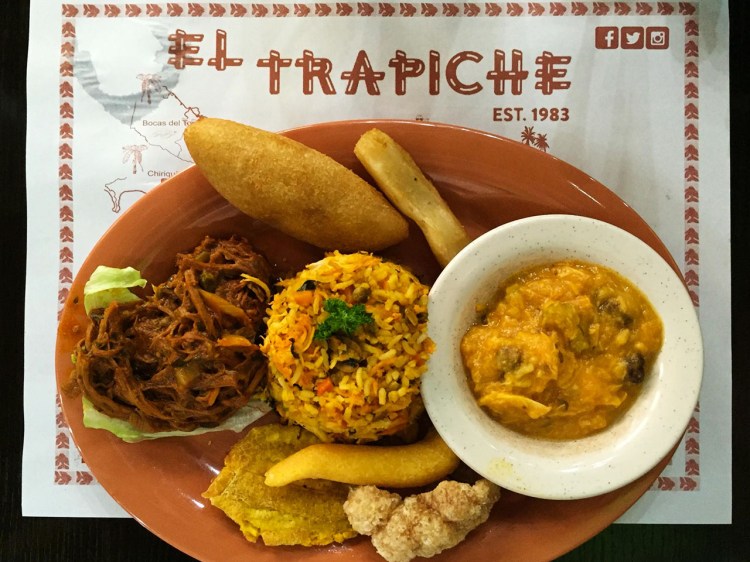
Panamanian cuisine is a flavourful blend of Caribbean, Latin American and spicy influences. Its most typical dish is sancocho, a stew made with vegetables, chicken and local ingredients such as yams, malanca and culantro (coriander). You will also see a lot of ceviche, patacones, carimañolas (a local appetiser made from mashed yuca or cassava), sãos (marinated pork)… and everything is almost always accompanied by a sweet drink called chicheme, which is made with condensed milk, cornflour, sugar and spices.
Our favourite places to eat in Panama City
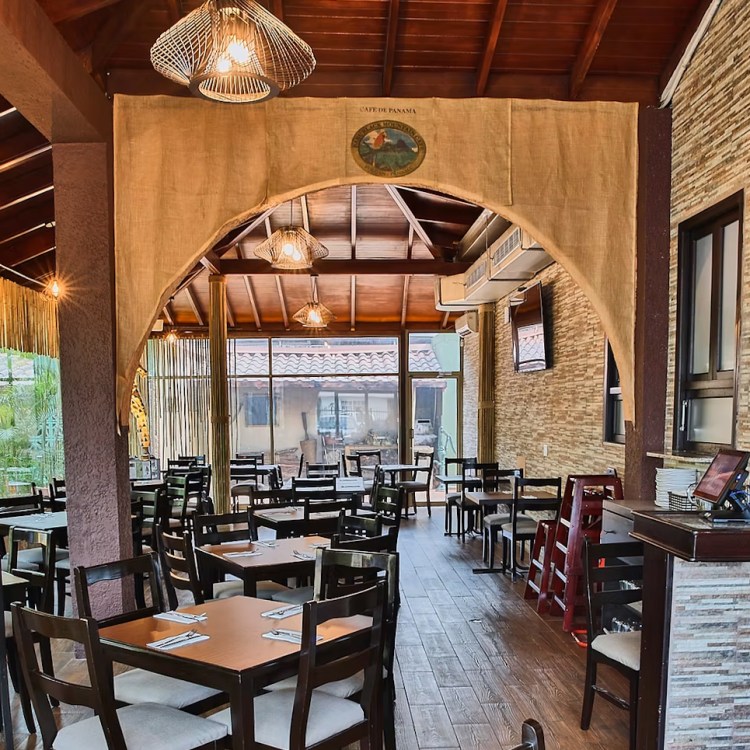
A classic of Panamanian cuisine with over 40 years of history and several restaurants in the city. We went to the one on Vía Argentina: a super picturesque wooden establishment serving traditional dishes, including ropa vieja, chicharrón, the ‘Fiesta Panameña’ and the famous Sancocho con patacones.
📍 Via Argentina (Modern City)
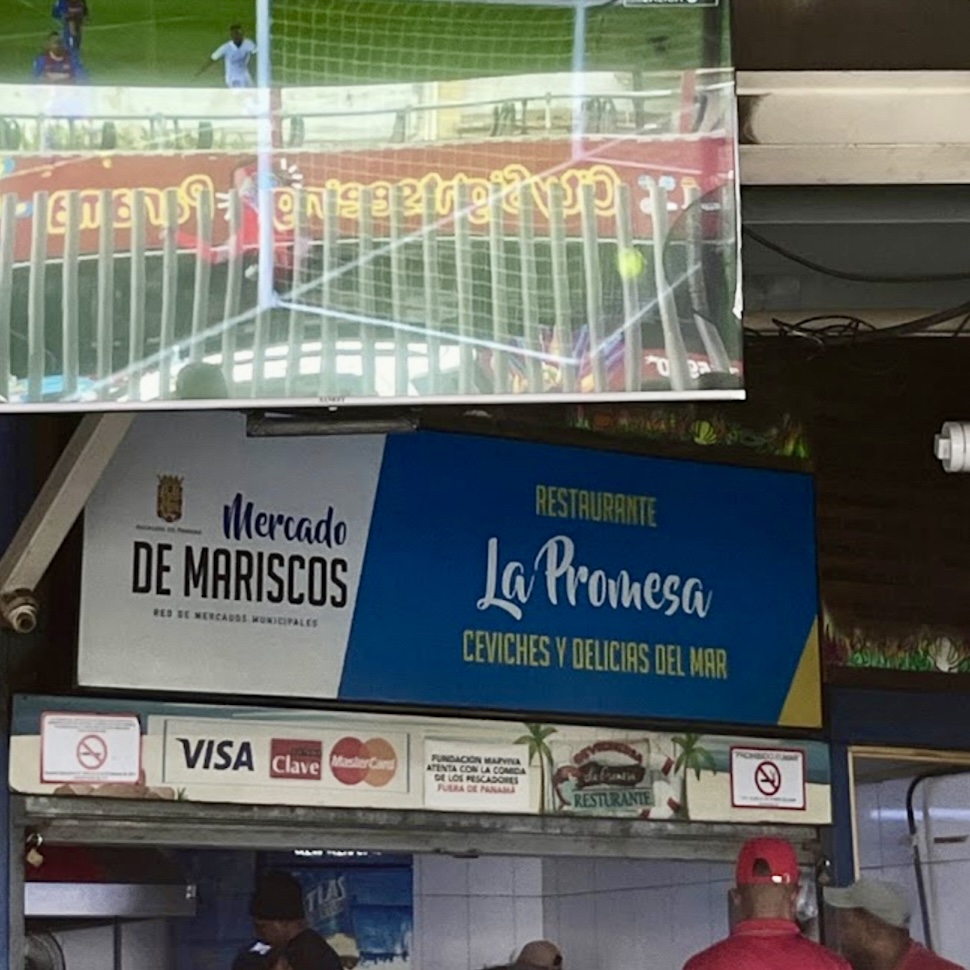
One of the most popular restaurants in the Seafood Market, with products fresh from the sea and cooked using Panamanian recipes. It’s a very authentic place, the dishes were delicious and we thought the price was quite good for everything we ate!
📍 Seafood Market, Cinta Costera 3
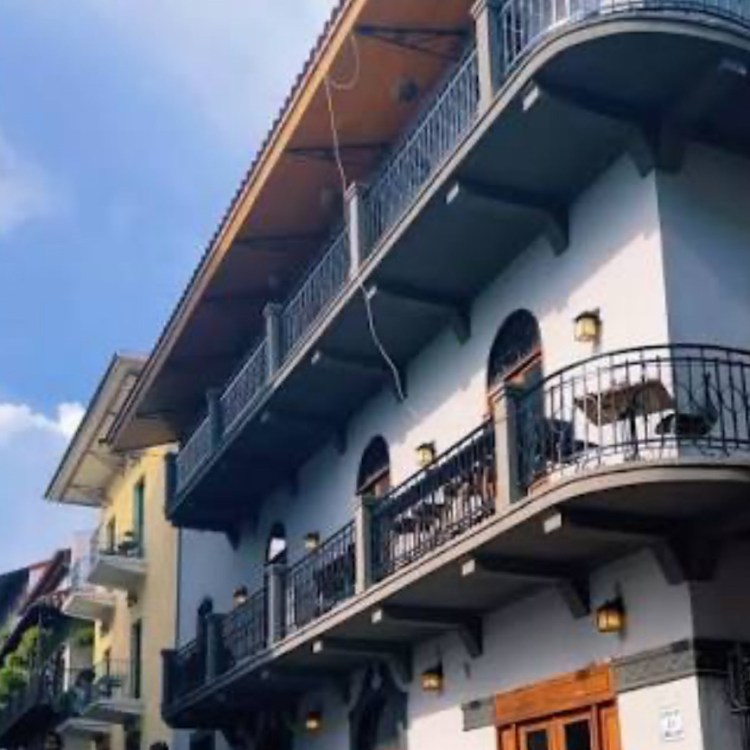
A popular spot offering low-cost food and drinks right in the city centre. Ask for a table on the balconies to enjoy some of their small plates (not overly generous portions) and try their original drinks. The food isn’t particularly outstanding, but it’s worth visiting for the authentic atmosphere and the experience.
📍 9th street w/ Central España Av.
Going out in Panama City
What really defines this city from my point of view is its lively atmosphere, and that makes it stand out especially for its leisure offer. There are many options for going out both during the day and in the evening, so I’ll leave you with just a selection of the places we liked the most:
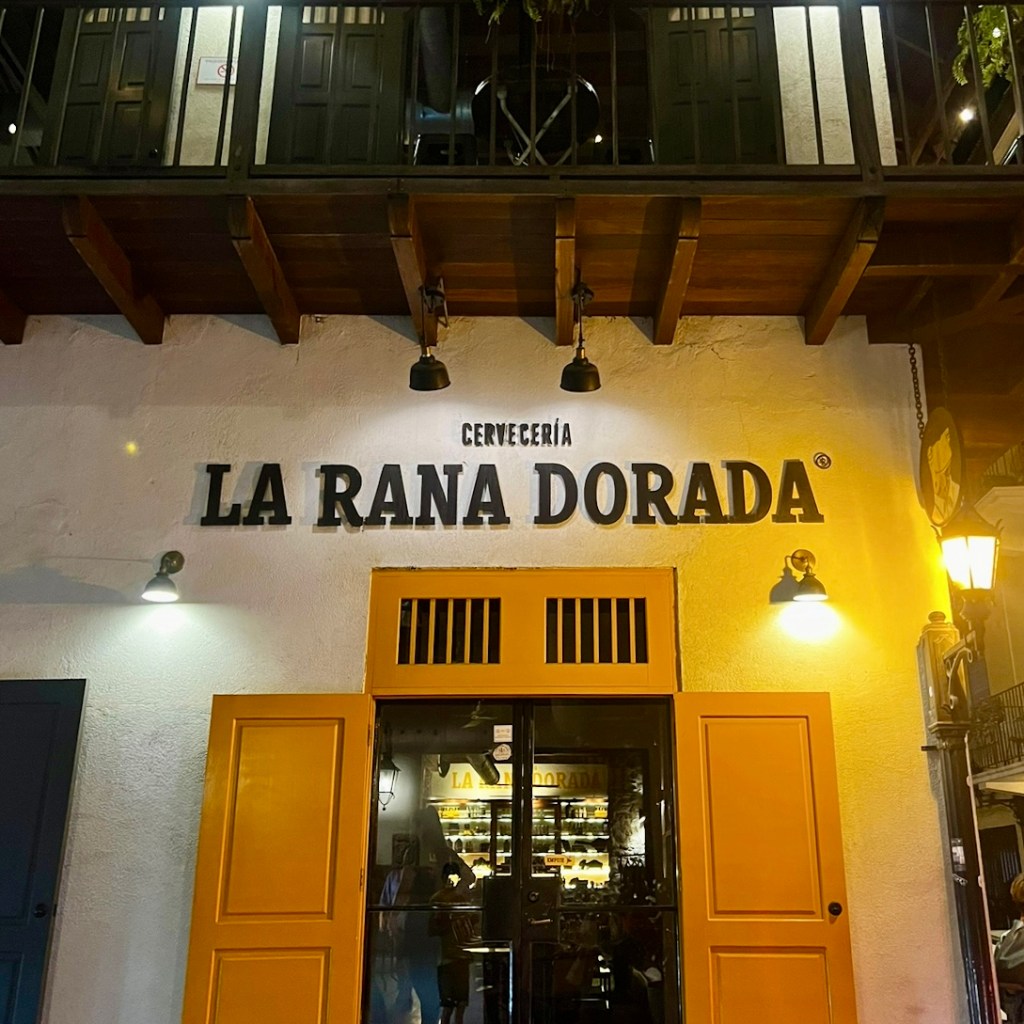
It is Panama’s most legendary brewery (they have several locations throughout the city) and they brew their own craft beers, which you can order as tastings. They also have a food menu, and the location we visited in the heart of the old town was very charming.
📍 9th Street w/Boquete Street
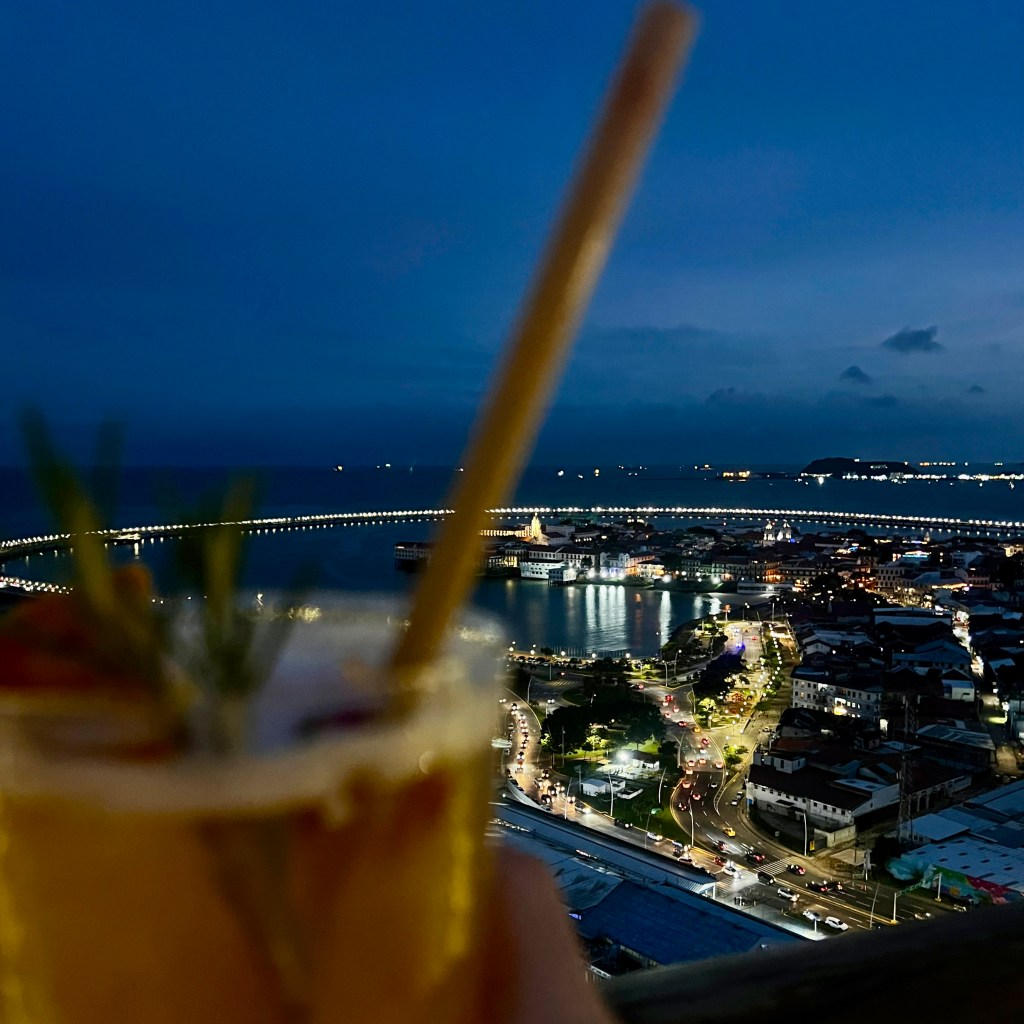
This bar-restaurant is located on the top floor of a skyscraper (the Bay View apartment building) and offers views that are not suitable for those who suffer from vertigo. Here, you have to order the famous Corojito and let yourself go!
📍 November 3rd Av. PH Bay View
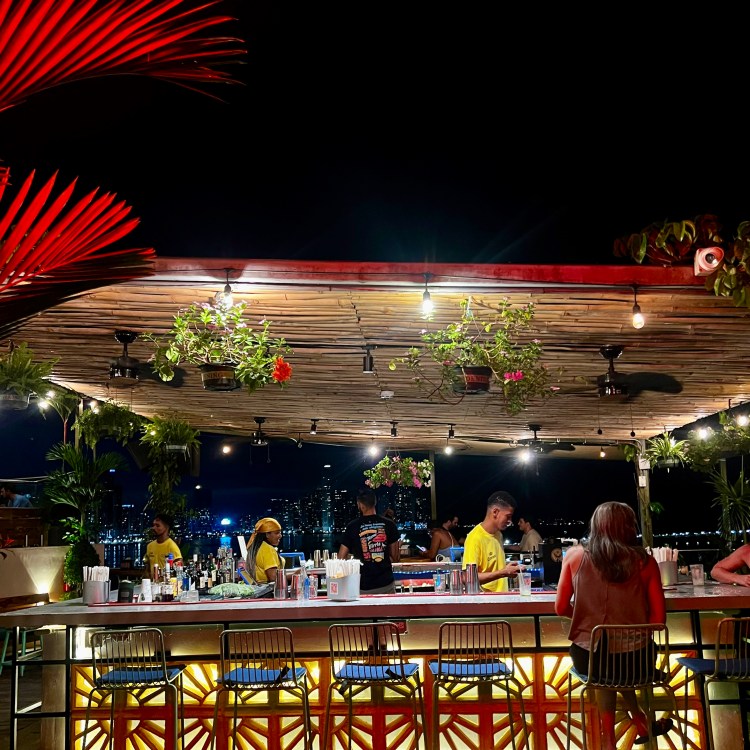
This is the rooftop bar at Hostal Selina, and it’s an impressive place to have a drink with spectacular views of both the old town and the skyscrapers. It has a swimming pool, and you can also order food. Highly recommended at sunset and into the night.
📍 12 West Street
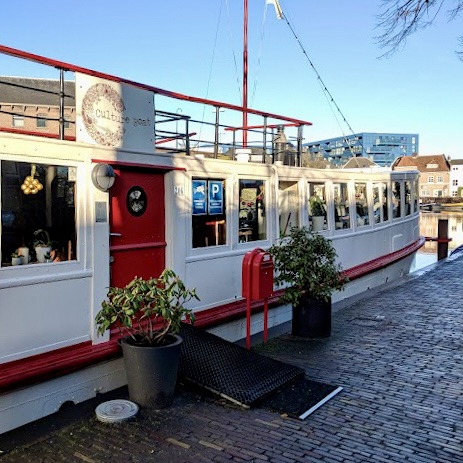
Every trip has a discovery, and in this case it was this picturesque beach bar and mojito bar that we stumbled upon by chance after a walk through the old town. It had everything we like: a great atmosphere, super friendly local waiters and the coldest beers in town.
📍 1 East street
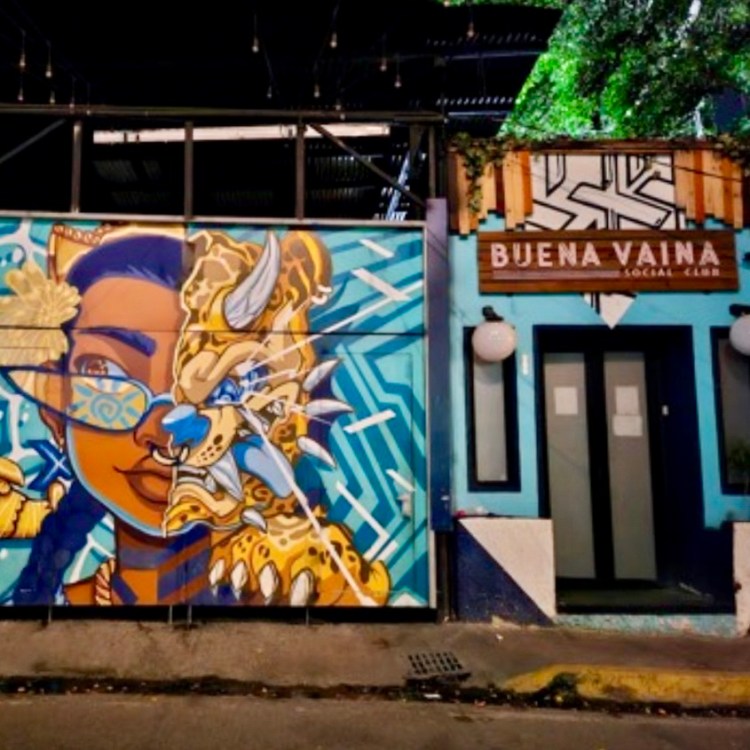
Like La Rana Dorada, they also serve food (mainly pizzas, burgers and street food options). It’s ideal for a casual dinner or a drink with some beers, right in the heart of Panama Viejo and with a great atmosphere.
📍 Central Av. w/ B Av.
Bars/ Pubs on Uruguay Street
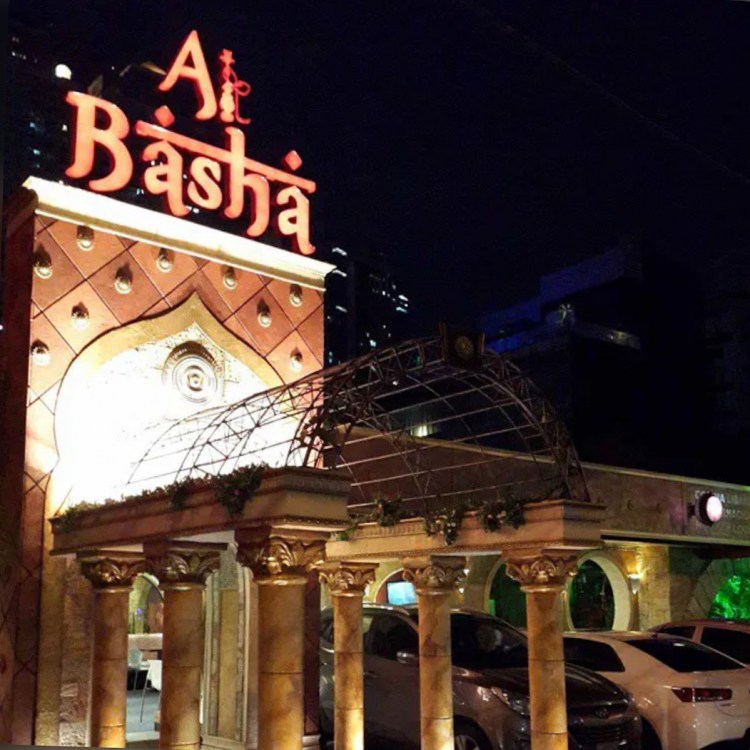
Uruguay is a street that comes alive at sunset. Here you can find everything from casual pubs to nightclubs and discos, karaoke bars… whatever your plans, you’re sure to find the perfect place to have a drink and enjoy a night out on the town.
📍 Uruguay Street
Must-see places in Panama City on the map📍
Final thoughts
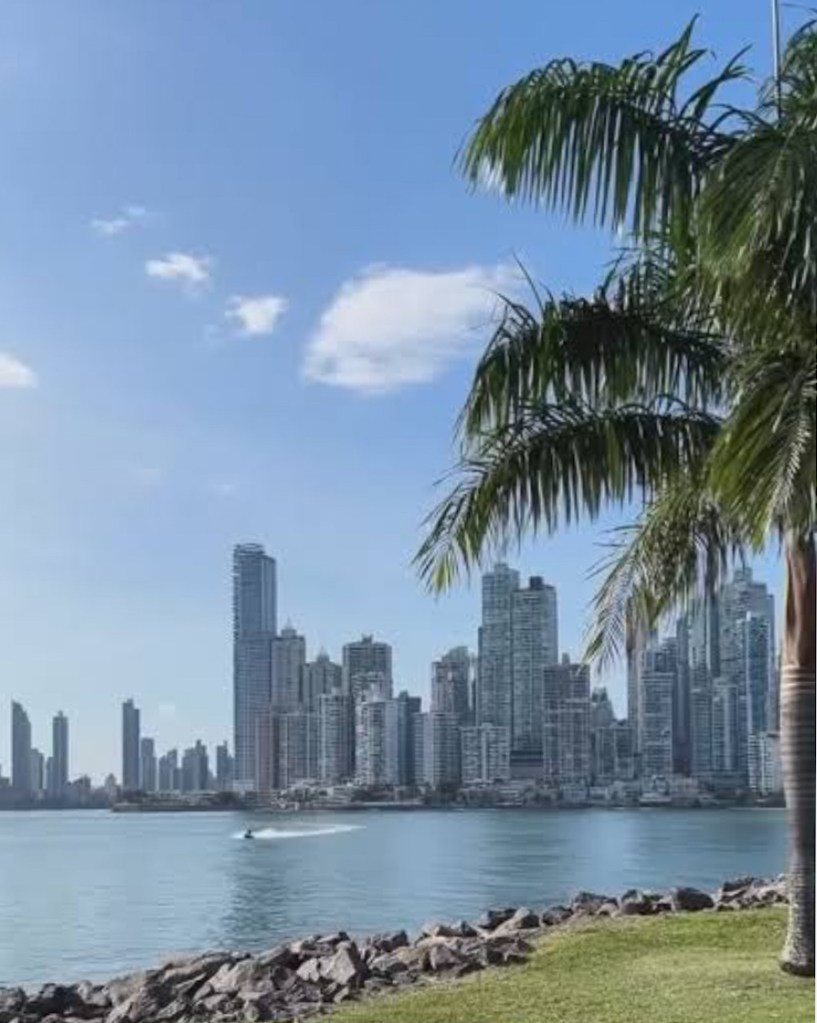
Panama is a lively, diverse city that can adapt to the plans of almost any type of traveller. If you are visiting for the first time, I would recommend dividing your stay between the old town and the modern area so that you can experience the two very different sides of this city. However, if I had to choose one, I would definitely recommend the old town for its colonial vibes and colourful atmosphere. At times, it can remind you of Old Havana or Cartagena de Indias, with a very authentic and special atmosphere.
You’re probably wondering about safety, which is something we read a lot about when planning our trip. The truth is that the entire old town is very well guarded, and as long as you avoid the Chorrillo neighbourhood, you’ll feel quite safe walking through its streets.
In short, for me it’s a YES and a perfect base from which to start discovering the rest of the country. Go ahead and visit it!
Anyway, I know there has been too long a break in the blog, but I hope to gradually publish everything I have pending… For now, we will continue with the next stops in Panama. What do you think of this country? Were you as surprised as we were?
I’ll read you in the comments! 👀
Until the next post ❤️
xxx
E
 Trippingbites